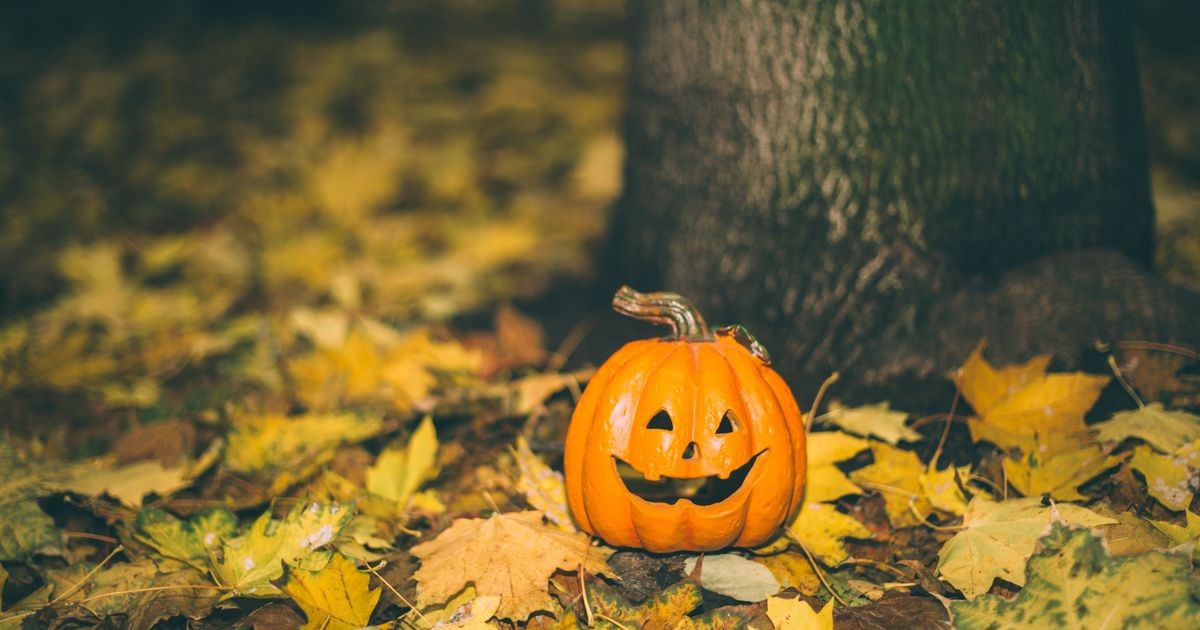
Households across Britain clearing away Halloween decorations this weekend face an unfamiliar legal hazard: dumping a carved pumpkin in a park, wood or field counts as fly-tipping, and councils can issue on-the-spot fines of up to £5,000. That is the warning issued on 1 November by charities and waste experts, reported by the Mirror, as millions of households dispose of the estimated millions of pumpkins carved across the UK each year.
The stakes are higher than many realise. If a case is deemed serious enough to reach a Magistrates' Court, the maximum fine climbs to £50,000, with a possible 12-month prison sentence attached. What appears to be a seasonal chore is, in legal and ecological terms, rather more consequential.
Why leaving pumpkins in the wild harms wildlife
The instinct to leave an old pumpkin in a wood “to biodegrade” is well intentioned but misguided, conservationists say. Epping Forest City of London, a charity protecting 8,000 acres of ancient woodland, issued a direct plea to residents this week.
“It might seem like a harmless way to give wildlife an autumn treat, but pumpkins aren't a natural part of our native wildlife's diet,” the charity said. “Pumpkins can make hedgehogs very poorly, and leaving food in the Forest for birds, foxes, badgers and deer can contribute to the spread of disease.”
The organisation added a second, less obvious danger. Carved pumpkins often carry traces of paint, glitter, wax or candle residue, all of which pose a poisoning risk to animals that scavenge them. Introducing non-native food into a self-sustaining habitat, the charity argued, disrupts ecosystems that have their own delicate balance.
The warning appears to have been needed. Local residents reported on social media that they had already seen several abandoned pumpkins in the forest.
The black bin is not the answer either
Legally, the answer to “fly-tipping” is simple: take the pumpkin home. Environmentally, the question of which bin it belongs in is more nuanced, and guidance varies by council.
Waste specialists are unequivocal on one point. Josh Clarke, Managing Director at Clear It Waste, told the Express that households should not put pumpkins in general waste bins under any circumstances.
“Each Halloween, pumpkins are consistently disposed of incorrectly,” Clarke said. “Do not put pumpkins in your general household waste bin. They will decompose in the landfill and produce methane gas.”
Methane is a far more potent greenhouse gas than carbon dioxide over the short term, which makes the fate of a few million gourds a matter of genuine environmental consequence rather than seasonal trivia. Brit Brief reports that households are being urged to compost pumpkins or use food waste caddies instead, precisely to keep organic material out of landfill.
How to dispose of a pumpkin properly
The correct route depends on local arrangements. Some councils collect pumpkins through food waste caddies, others accept them in garden waste bins, and a minority, which provide neither service, ask residents to use general waste as a last resort. Checking your council's guidelines is the sensible first step.
Composting is the gold standard. Pumpkins break down quickly, but they should be chopped into small chunks and mixed with brown material such as cardboard or dry leaves to absorb excess moisture. A whole pumpkin plonked on a compost heap will rot anaerobically and turn to slime.
Any pumpkin showing mould, sour smells, slime or fruit flies should be binned rather than composted, as it will have gone off quickly once carved.
Can you eat a leftover pumpkin?
There is a more elegant solution still: not wasting the pumpkin at all. Uncarved pumpkins remain perfectly edible. Large carving varieties are watery and less sweet than culinary squash, but they serve well in soups, curries, mash and roasts.
The seeds are a bonus. Scooped, rinsed, tossed in oil and seasoning and baked, they make a nutritious snack and cost nothing beyond the oven's electricity.
A civic duty hiding in a seasonal chore
It would be easy to dismiss all this as seasonal nagging. It is better understood as a small test of civic responsibility, the kind liberals should welcome: individual choices, aggregated across millions of households, producing either a wave of unnecessary landfill methane and poisoned hedgehogs, or a modest collective good.
The government's recent clampdowns on waste crime have raised the penalties precisely because fly-tipping, even of the apparently innocent pumpkin variety, imposes costs on shared land that belong to everyone. Regional outlets including the Liverpool Echo have reported the £50,000 maximum court fine, indicating how widely the warning has now circulated.
If you see an abandoned pumpkin on a walk, conservationists suggest removing it if you safely can. The alternative, as one charity put it, is something genuinely scarier than Halloween: harm to Britain's wildlife, at the hands of people who mostly meant well.
Frequently asked questions
Is it illegal to leave a pumpkin in a park or wood?
Yes. Dumping a pumpkin in woodland, parks or countryside is legally classified as fly-tipping, punishable by an on-the-spot Fixed Penalty Notice of up to £5,000, or up to £50,000 and a possible 12-month prison sentence in Magistrates' Court.
Why are pumpkins bad for hedgehogs and other wildlife?
Pumpkins are not part of native British wildlife's diet and can make hedgehogs ill, while leftover food left out for birds, foxes, badgers and deer can spread disease. Decorations such as paint and glitter add a further poisoning risk.
Which bin should a pumpkin go in?
Check your council's guidance. Most councils want pumpkins in food waste caddies or garden waste bins; composting chopped pumpkin is the most environmentally sound option. General waste is a last resort because pumpkins produce methane in landfill.