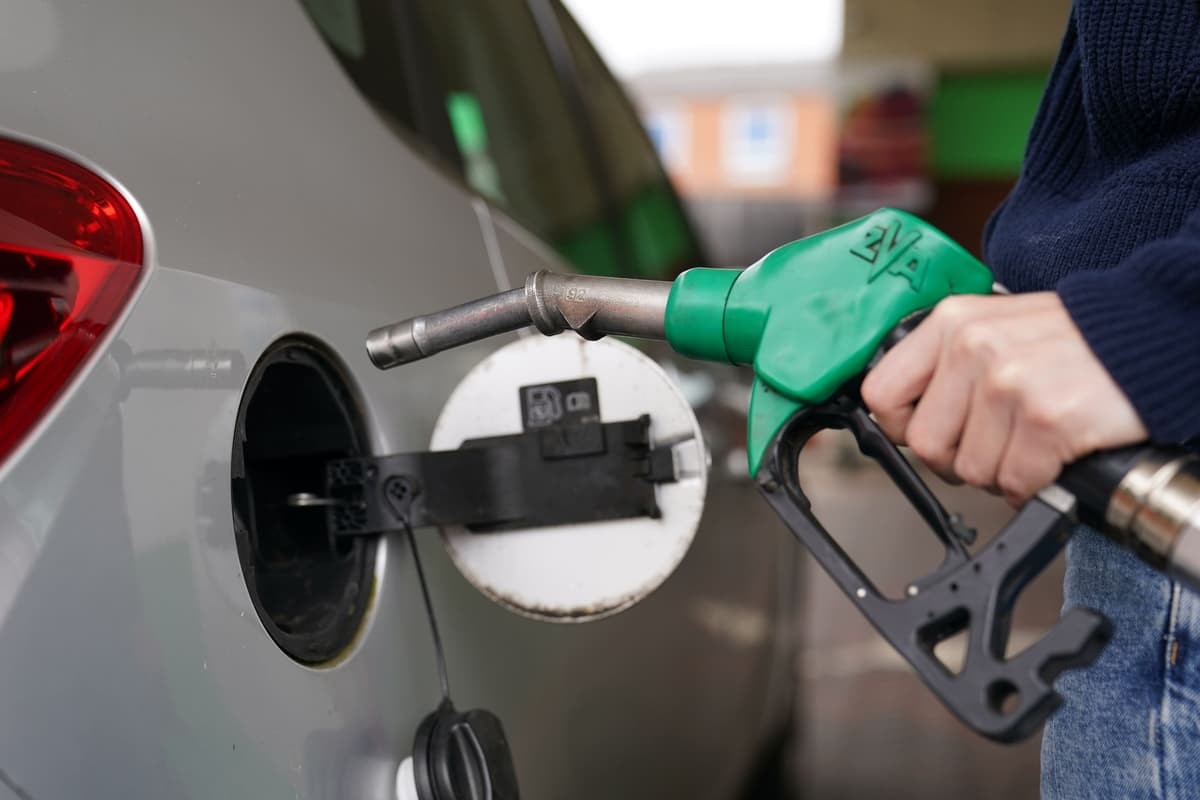
UK inflation rose to 3.6% in October, its highest level in twelve months, driven by petrol and diesel prices and higher tobacco duty, according to figures reported by the Evening Standard on 18 November 2026.
The Consumer Prices Index reading, published by the Office for National Statistics (ONS), marked the fourth consecutive monthly increase and moved inflation further from the Bank of England's 2% target. The figure matched economists' forecasts, but the direction of travel is unwelcome: the Bank warned earlier this month that inflation could peak near 5% next year.
Fuel and tobacco drive the October rise
Petrol prices rose by an average of 5.2 pence per litre between September and October, as tensions in the Middle East pushed oil prices higher. Diesel climbed 7 pence per litre to 199.5p, the highest average price since ONS records began in 1996.
Tobacco duty changes added roughly £1.21 to an average pack of 20 cigarettes, according to HMRC data. Tobacco prices rose 5.2% over the month and stood 12.4% higher year on year, the sharpest rate in almost two years.
ONS chief economist Grant Fitzner said: "Inflation rose slightly in October, with fuel prices once again a major contributor to the increase in the annual rate."
He added that annual costs of raw materials and goods leaving factories "continue to climb, driven by higher crude oil and petrol prices, respectively", a signal that pipeline pressures have not yet worked their way through to consumers.
Energy bills set to surge from January
The Ofgem energy price cap rose by 4% in October, and changes to how the cap is calculated added further household gas costs. More strikingly, analysts at Cornwall Insight forecast a 26% increase in the next price cap, taking effect from January.
For households already squeezed, that projection is the most consequential number in the release. It implies that the cost-of-living squeeze, which had eased through 2025, is set to tighten again just as winter bills arrive.
Separate ONS figures released on Tuesday showed regular earnings growth easing back to 3.5% in the three months to September. With inflation now at 3.6% and expected to rise further, real wages are on course to shrink in the coming months.
Chief Secretary to the Treasury Emma Reynolds said: "The conflict in the Middle East and Russia's illegal invasion of Ukraine have pushed up costs around the world."
She defended the Budget's long-term measures on energy, including "an end to levies on household bills, scrapping standing charges and ensuring Britain is better protected from global shocks in the future".
Food inflation offers one bright spot
Food and non-alcoholic drink inflation slowed to 0.8%, its lowest level for more than five years. Food prices alone rose just 0.2%, helped by cheaper chocolate, which fell 2.9% as cocoa prices dropped and retailers discounted more aggressively.
It is a modest comfort. Food inflation was the most politically charged element of the 2023 cost-of-living crisis, and its easing will matter to lower-income households, who spend a larger share of income on groceries. But it cannot offset the energy and fuel pressures building elsewhere in the basket.
What the Bank of England does next
A Bank of England spokesperson said the Middle East conflict had "caused energy prices and inflation to rise in recent months", and that inflation is expected to rise further by the middle of next year due to cost pressures already in the pipeline.
The Bank raised interest rates two weeks ago, and the spokesperson said the Monetary Policy Committee "will continue to set interest rates to make sure inflation returns to the 2% target and stays there".
Markets and economists are now watching for the timing of the next move. As The Independent reported, ONS figures show factory gate costs still climbing, suggesting imported inflation has yet to peak.
Matt Swannell, chief economic adviser to the Item Club, said: "There is little in today's release that will push the Monetary Policy Committee one way or the other."
He noted that steady core and services inflation indicates "still little evidence of second-round effects", but added that MPC members signalled at their last meeting that another hike would likely be necessary, with energy futures prices the key influence on timing.
That distinction matters. Inflation driven by external shocks, oil, war, and global energy markets, is fundamentally different from inflation driven by domestic wage-price spirals. The former argues for patience; the latter for decisiveness. Tuesday's earnings data, showing wage growth at 3.5%, suggests Britain is not yet in the second camp.
Yet the Bank faces a communications problem. Households do not experience headline CPI; they experience petrol at the pump, energy bills, and the weekly shop. If inflation breaches 5% next year as the Bank expects, the political and social patience that has sustained the current policy framework will be tested.
As The Herald noted, petrol and diesel prices have both eased back in November as oil prices fell following the US midterm elections. If that continues, the October reading may prove close to the peak of this fuel-driven episode, and the Bank's next decision may be less dramatic than markets currently price in.
For a government elected on a promise of economic stability, the numbers published today are an unwelcome reminder that stability is partly hostage to events far beyond Westminster's control.
Frequently asked questions
What is the current UK inflation rate?
UK CPI inflation stood at 3.6% in October 2026, according to the Office for National Statistics, up from 3.5% in September and the highest level in a year.
Why did UK inflation rise in October 2026?
Petrol and diesel prices, higher tobacco duty, and a 4% rise in the Ofgem energy price cap were the main drivers, with Middle East tensions pushing up oil costs.
How high could UK inflation go next year?
The Bank of England warned earlier this month that inflation could peak at around 5% in 2027 due to cost pressures already in the pipeline.
Are energy bills going to rise in January?
Analysts at Cornwall Insight forecast a 26% increase in the next Ofgem price cap, which would take effect from January 2027.