
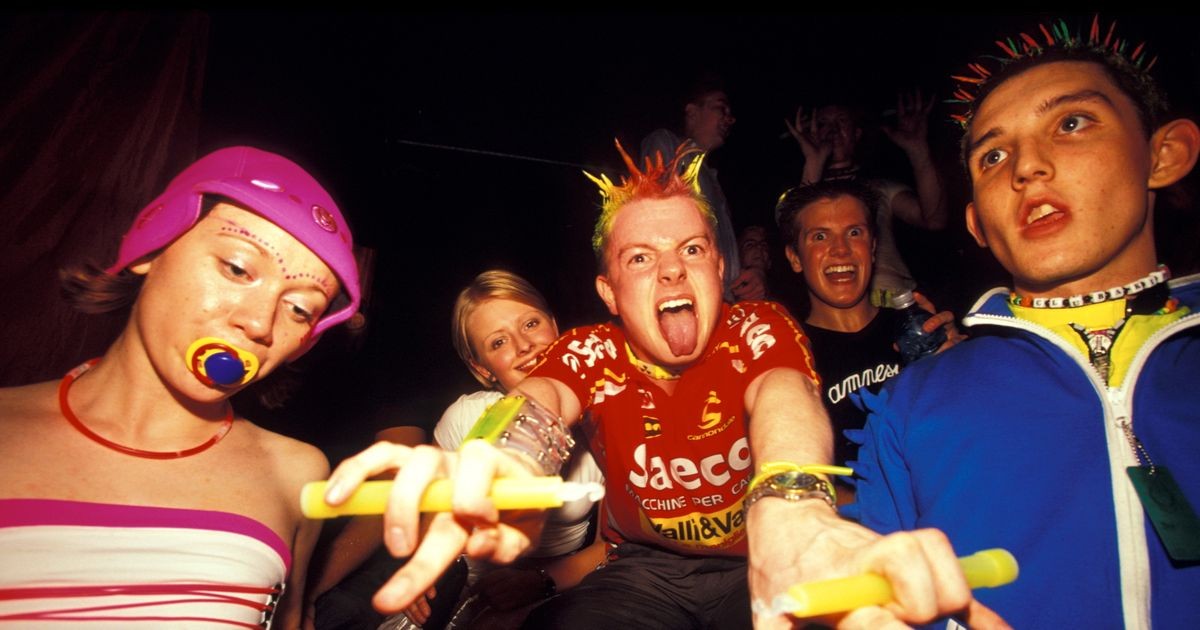
Liverpool's clubbers have been naming the dancefloors they miss most, after the Liverpool Echo invited readers to share memories of the city's vanished nightlife in November 2026.
The responses, published by the Liverpool Echo following its feature with photographer Mark McNulty, range from the tropical kitsch of the Coconut Grove to the warehouse euphoria of Quadrant Park. Together they form something more substantial than nostalgia: a record of how a city socialised, and of what has been lost as venues closed and buildings came down.
The clubs Liverpudlians refuse to forget
Quadrant Park, the Bootle warehouse venue nicknamed the Quad or Quaddie, drew the most passionate tributes. It opened in the late 1980s as a mainstream nightclub playing chart music before establishing itself as one of Britain's first super clubs. Its all-nighter raves ended in January 1992, but the loyalty has not faded.
One reader told the Echo that nothing ever did or ever will come close to the Quadrant Park. Another described going to the Coconut Grove, known locally as the Cokey, before the Quad, then on to The State for years afterwards, at venues including Hard Dock and the Drome, but insisted nothing matched it.
Older readers reached further back, to the Babalou, the Beachcomber, Chequers and the Top Rank and Baileys of the 1970s and 1980s. One recalled an era with no fighting, no drugs and no knives, just people out enjoying themselves every weekend.
From ballroom to super club: the venues themselves
Several of the buildings carried histories long before acid house arrived. The Grafton, next to The Olympia, opened as a ballroom in 1924 and later hosted The Beatles and Duke Ellington. During the Second World War it was packed nightly with war workers, soldiers on leave and American GIs. From the 1970s onward it became synonymous with the intergenerational Grab a Granny Thursday nights. After a brief spell as a comedy club in 2008, it closed for good.
The State followed a similar arc. Opened in the 1920s as an Art Nouveau ballroom, it hosted tea dances, spent a period as a Littlewoods restaurant and staff social centre, and even served as a storeroom before being reborn in the early 1980s as Liverpool's first Laser nightclub. By the end of that decade it had become a focal point of the acid house scene. In 1988, James Barton launched the Daisy nights there, the first time an outside promoter took over a night from a club owner in Liverpool, and the city's first house night. Mike Knowler and Andy Carroll held the residencies until the club closed in November 1989.
Cream and 051: the decade Liverpool shaped British dance music
Cream, founded in 1992 by James Barton, Darren Hughes and Andy Carroll, launched that October at the now-demolished Nation nightclub in Wolstenholme Square. Within a year its Saturday nights were so successful that the organisers added a late city-centre opening, Full On, which ran until 6am and became known as the Cream All-Nighter on the last Friday of each month. Pete Tong, Carl Cox and The Chemical Brothers all played there before Cream grew into the international brand it remains today.
The 051, at the corner of Mount Pleasant and Brownlow Hill, sent thousands of clubbers down its rite-of-passage stairway to the basement dancefloor throughout the 1990s and 2000s. Resident Dave Graham became one of the club's defining tastemakers, and the arrival of Lee Butler, who had made his name at The State, cemented one of the most loyal crowds in the north west.
Why this memory matters beyond nostalgia
It is tempting to file these recollections under sentiment. That would be a mistake. Nightclubs are civic infrastructure as much as leisure businesses: they are where generations meet, where subcultures form, and where, in Liverpool's case, a good deal of British musical history was made. When the Coconut Grove closed in 1997 and its building was demolished in 2017, or when Nation was pulled down to make way for development, the city lost more than premises. It lost the settings in which its communal life was conducted.
The economics are unforgiving, and a liberal politics that values both enterprise and community life should say so plainly. Rising land values, licensing regimes and the shift of late-night spending toward corporate chains have made the independent club, particularly the scruffy, beloved kind remembered here, an endangered species. The Montrose Club in Anfield, purpose-built and opened in April 1973 under owners Ernie and Gordon Mack, drew crowds from across Merseyside; the idea of a family-run venue commanding that loyalty today feels almost quaint.
The impulse behind the Echo's project is worth defending. As Brit Brief reported, McNulty's book In Clubland: 35 Summers of Love collects more than 550 photographs spanning 35 years of Liverpool club culture, from Quadrant Park to Cream. That is documentation, not decoration. Cities that cannot remember what they were struggle to argue for what they might become.
Liverpool's nightlife has not vanished, of course. CounterSpike's Liverpool guide points to venues such as Camp and Furnace, 24 Kitchen Street, District and Hangar 34 keeping the after-dark economy alive. But the affection poured into the Echo's comment threads suggests the contemporary scene has not yet produced the same civic attachment. Perhaps it will. The She club, opened on Victoria Street in 1971 by Tony and Mike Coburn, was once an institution too; institutions begin somewhere.
Frequently asked questions
Which Liverpool club nights do people miss most?
Readers of the Liverpool Echo named Quadrant Park most often, followed by Cream, 051, The State, the Coconut Grove, the Grafton and the Montrose Club, along with earlier venues such as Babalou and Chequers.
When did Quadrant Park close?
Quadrant Park, one of the UK's first super clubs, closed for the last time in January 1992 after opening in the late 1980s on Derby Road in Bootle.
Who founded Cream?
Cream was started in 1992 by James Barton, Darren Hughes and Andy Carroll, launching at the Nation nightclub in Wolstenholme Square and growing into an international dance music brand.