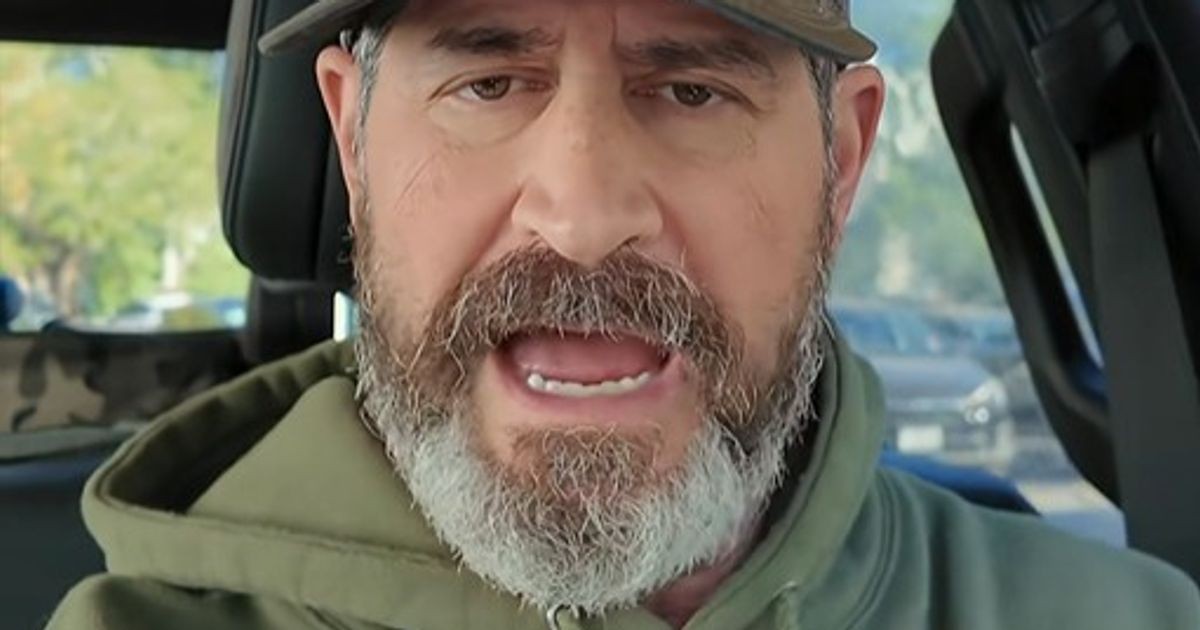
A board-certified heart surgeon has told his millions of social media followers that four everyday foods, oats, beans and lentils, nuts and extra virgin olive oil, can actively remove harmful cholesterol from the body, offering an accessible route to reducing the risk of heart attack and stroke.
Dr Jeremy London, who holds board certification in general surgery, vascular surgery and thoracic surgery, made the remarks in a health briefing reported on 17 November by WalesOnline. His central claim is a striking one: certain ordinary foods can, in his words, “actually pull cholesterol out of your body”. The advice carries particular weight in Britain, where cardiovascular disease remains one of the leading causes of death and where prevention, rather than treatment, is the cheapest and most humane form of health policy.
Why cholesterol matters, and why it is misunderstood
Cholesterol is routinely described as a silent killer, and the label is not mere rhetoric. An excess of the wrong kind produces no symptoms while it quietly accumulates in the walls of blood vessels, potentially culminating in a heart attack or a stroke. Yet the substance itself is not the enemy. The body cannot survive without it; it is central to cell membranes, hormone production and digestion. The difficulty, as The Mirror reports, is that there are two distinct varieties, and public confusion between them has real consequences for public health.
The first is LDL, the so-called bad cholesterol. When LDL accumulates in the arterial walls, it forms the plaques that narrow vessels and trigger cardiovascular events. The second is HDL, the good cholesterol, which performs the opposite function: it sweeps LDL away from the arteries and transports it back to the liver, where it is broken down and processed. The goal of any dietary strategy, Dr London suggests, is therefore twofold: to reduce LDL and to support HDL. His recommended foods, he says, all “remove the atherogenic, or dangerous, cholesterol but they do it in different ways”.
The four foods Dr London recommends
Oats: fibre as a cholesterol pump
The first recommendation is the humble oat. Its mechanism, as Dr London explains it, is elegantly simple.
“Oats have a lot of fibre. This forms a gel in your GI (gastrointestinal) tract that binds to bile and you then pass that out in your stool,” he said. “The liver senses it needs to make more bile, bile requires cholesterol and the liver pulls the cholesterol from your bloodstream.”
In effect, the soluble fibre in oats forces the liver to draw cholesterol out of circulation in order to replenish its bile supply. His account is supported by Harvard Medical School, which has shown that the soluble fibre in oats binds to cholesterol within the digestive system, preventing its absorption into the bloodstream and allowing it to be expelled as waste. That a breakfast staple can trigger this internal chain of events is a useful corrective to the assumption that cardiovascular health requires expensive interventions.
Beans and lentils: the same mechanism, doubled
The second recommendation works in much the same way. Beans and lentils, Dr London says, operate “through this fibre mechanism” seen in oats: their fibre absorbs water, forms a sticky gel within the gut, and blocks cholesterol from being absorbed into the body. The evidence here is quantified. The British Heart Foundation, cited by Express.co.uk, states that “studies show that having 5g to 10g of viscous fibre a day can help lower LDL cholesterol by 7 per cent”. For a food group that is cheap, widely available and environmentally far less demanding than meat, this is a rare case where the individual interest and the collective interest point in the same direction.
Nuts: instructing the liver to act
The third food operates through a different pathway altogether. Nuts, and walnuts in particular, “trigger the liver to make more receptors to pull the cholesterol from the bloodstream”, according to Dr London. The British Heart Foundation names almonds, cashews, hazelnuts, Brazil nuts, pistachios, walnuts, pecans, peanuts and macadamia nuts as beneficial, and its figures are precise: around 67g per day can lower LDL cholesterol by 7 per cent. Two separate food groups, two distinct mechanisms, one identical outcome.
Extra virgin olive oil: protection without reduction
The fourth recommendation is the most counterintuitive. Extra virgin olive oil, Dr London concedes, does not actually decrease the amount of cholesterol in the blood. Its value lies elsewhere.
“A PREDIMED study showed a 30% decrease in major cardiovascular events with the use of regular extra virgin olive oil in combination with a Mediterranean diet,” he said.
The distinction matters. Lowering a blood marker is one thing; preventing heart attacks and strokes is another, and the latter is the outcome that patients and health systems should actually care about. The PREDIMED finding suggests that the Mediterranean dietary pattern, long championed by public health bodies across Europe, delivers protection through channels that a simple cholesterol reading cannot capture.
No food replaces medicine
Dr London is careful to attach a caveat, and it deserves emphasis. “No single food alone can do what medicines can accomplish as far as lowering cholesterol level,” he said. “But eat these foods consistently and they can compound and the impact can be truly impressive.”
The message is one of accumulation rather than substitution. Consistency, not any individual ingredient, produces the measurable effect. Patients prescribed statins or other lipid-lowering treatments should continue them; dietary change works alongside pharmacology, not instead of it. That a practicing surgeon, whose livelihood depends on intervention, is urging prevention through diet is itself worth noting.
The public health case for cheap prevention
For a country still processing the strains that austerity placed on the National Health Service, the economics of this advice are difficult to ignore. Oats, lentils and beans are among the cheapest sources of nutrition available in any British supermarket. If modest, regular consumption can lower LDL cholesterol by measurable percentages across a population, the aggregate savings in avoided cardiac procedures, hospital admissions and premature deaths would be substantial. Prevention through diet asks nothing of the state except honest information, and nothing of the individual except a slightly different shopping basket.
There is also a lesson here about how health information travels. Dr London dispenses this guidance to millions of followers on social media, a channel that carries well-known risks of misinformation. Yet in this instance the claims are anchored in Harvard research, British Heart Foundation statistics and the PREDIMED trial, a reminder that evidence-based voices can compete in the same arenas where nonsense flourishes, provided they show up. Public health bodies would do well to meet people where they actually are.
Frequently asked questions
Can food really pull cholesterol out of the body?
According to Dr Jeremy London, yes, in a specific sense. The soluble fibre in oats, beans and lentils binds to bile in the gut, prompting the liver to draw cholesterol from the bloodstream to make more bile, while nuts prompt the liver to produce more receptors that remove cholesterol from circulation.
How much fibre lowers LDL cholesterol?
The British Heart Foundation reports that 5g to 10g of viscous fibre per day can lower LDL cholesterol by around 7 per cent.
Does extra virgin olive oil lower cholesterol?
Not directly. Dr London says it does not reduce blood cholesterol, but the PREDIMED study found a 30% decrease in major cardiovascular events when it was consumed regularly as part of a Mediterranean diet.
Can these foods replace cholesterol medication?
No. Dr London states plainly that no single food can match what medicines achieve, though consistent consumption of these foods can compound into an impressive effect over time.