
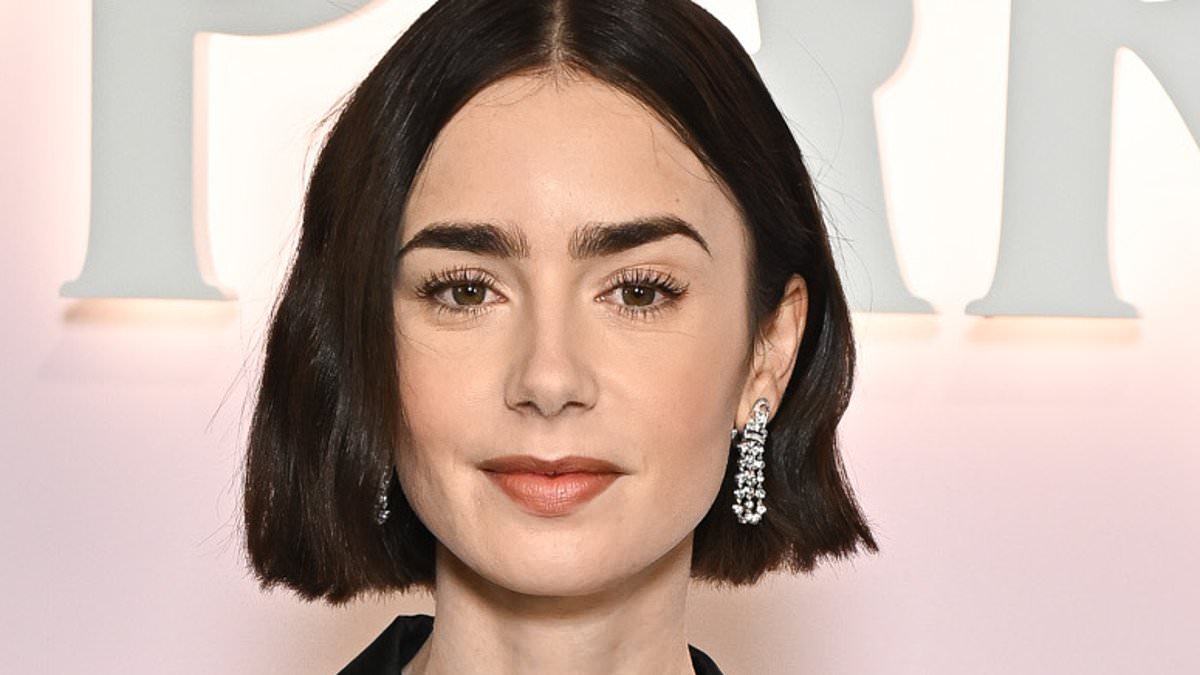
Lily Collins' Audrey Hepburn Casting Exposes Persistent Issues in Hollywood Representation
The announcement that Lily Collins will portray Audrey Hepburn in an upcoming biopic has ignited a broader conversation about casting practices and representation in contemporary Hollywood, revealing tensions that extend far beyond simple fan disappointment.
Collins, known for her role in Emily in Paris, will star in a film chronicling the creation of Hepburn's iconic 1961 masterpiece Breakfast at Tiffany's. The project draws from Sam Wasson's acclaimed book Fifth Avenue, 5 A.M.: Audrey Hepburn, Breakfast at Tiffany's and the Dawn of the Modern Woman, which provides the definitive account of the film's production.
However, the casting decision has prompted significant backlash from supporters of Ariana Grande, who had reportedly expressed interest in portraying the legendary actress. This reaction illuminates deeper questions about how the entertainment industry approaches biographical casting and the complex dynamics of fan expectations in the digital age.
A Decade-Long Ambition Realised
Collins herself acknowledged the significance of this role, revealing on social media that she had spent nearly a decade developing this project. "It's with almost 10 years of development and a lifetime of admiration and adoration for Audrey that I'm finally able share this," she wrote, describing her feelings as beyond "honoured and ecstatic."
This extended development period suggests a thoughtful, deliberate approach to bringing Hepburn's story to screen, rather than a hasty commercial decision. Such dedication to craft represents the kind of serious artistic endeavour that Hollywood should encourage, particularly when dealing with the legacy of an actress of Hepburn's stature.
The Cultural Significance of Hepburn's Legacy
Audrey Hepburn remains one of cinema's most enduring icons, representing an era when Hollywood glamour intersected with genuine artistic achievement. Her Oscar-winning performance in Roman Holiday and subsequent roles in Sabrina, Funny Face, and Breakfast at Tiffany's established her as a defining figure of the Golden Age.
The character of Holly Golightly, in particular, has become a cultural touchstone, embodying both the aspirations and contradictions of mid-century American society. Any biographical treatment of Hepburn's work on this film carries significant cultural responsibility, requiring an actress capable of conveying both the character's surface charm and underlying complexity.
Fan Culture and Casting Expectations
The intense reaction from Grande's supporters reflects the evolving relationship between celebrity fan culture and industry decision-making. Social media has amplified fan voices, creating new pressures on casting directors and producers to consider public sentiment alongside traditional artistic criteria.
Critics of the Collins casting have pointed to Grande's physical resemblance to Hepburn and her recent adoption of similar styling choices. However, such arguments risk reducing the casting process to superficial comparisons, potentially overlooking the complex skills required for biographical performance.
The controversy also highlights how digital platforms can transform individual disappointment into collective outrage, creating narratives of injustice around fundamentally subjective artistic decisions. This phenomenon deserves careful consideration as the entertainment industry navigates an increasingly connected and vocal audience.
Looking Forward
As Collins prepares to embody one of cinema's most beloved figures, the project represents an opportunity to explore Hepburn's legacy with the nuance and respect it deserves. The focus should shift from casting controversies to the substantive challenge of bringing this important story to contemporary audiences.
Meanwhile, Grande continues her own artistic journey, having earned critical acclaim for her performance in Wicked and with upcoming projects including Focker-In-Law and her Eternal Sunshine tour launching in June.
Ultimately, this episode serves as a reminder that in our interconnected media landscape, every casting decision carries broader implications about representation, artistic merit, and the complex relationship between creators and their audiences. The challenge lies in maintaining space for thoughtful artistic choices while remaining responsive to legitimate concerns about diversity and inclusion in Hollywood.