
The Complexities of Television Personality and Public Reception
The recent public discourse surrounding Alison Hammond's interview with Hollywood actor Chris Hemsworth on ITV's This Morning raises pertinent questions about the nature of television entertainment, audience expectations, and the gendered dimensions of media criticism.
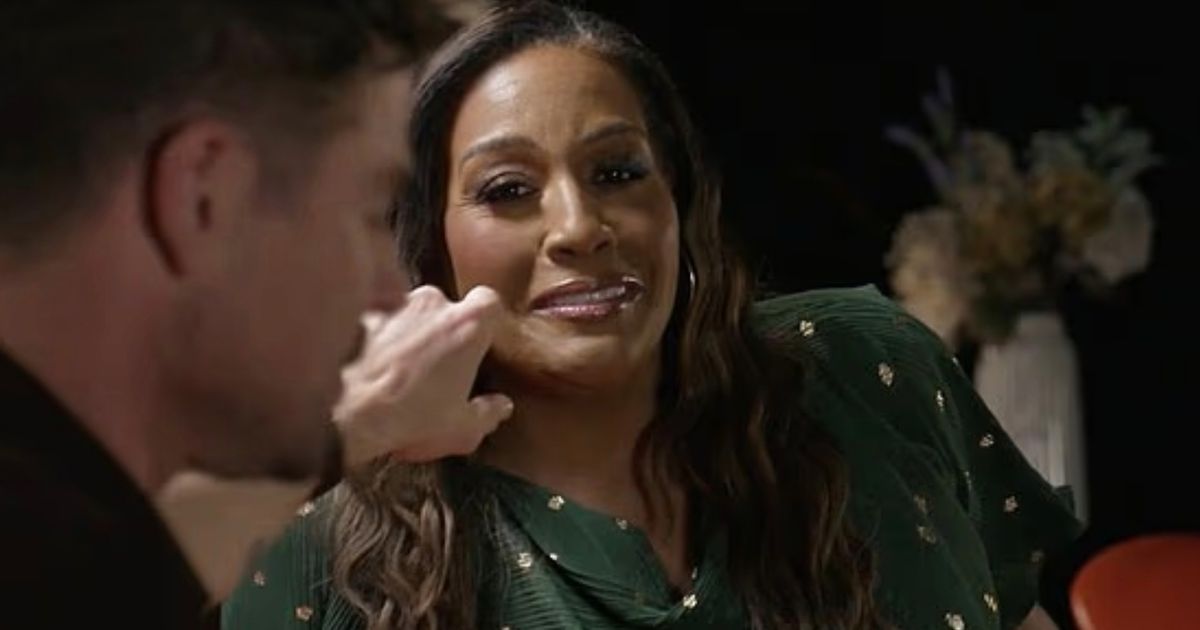
Hammond, who has established herself as a prominent television personality since joining This Morning in 2021, conducted what was framed as a 'Valentine's Date' interview with the Australian actor to promote his latest film featuring Barry Keoghan and Halle Berry. The segment, whilst maintaining the programme's established format of celebrity engagement, attracted considerable criticism from viewers who characterised her approach as overly enthusiastic.
The Dynamics of Celebrity Interview Culture
The interview format itself reflects broader trends in contemporary television, where the boundaries between journalism and entertainment continue to blur. When Hammond remarked, 'Oh, well, I'm quite enjoying this dark room with you, to be fair!' in response to Hemsworth's description of cinema-going, the comment exemplified the performative nature of such segments.
Hemsworth's subsequent reference to Hammond's previous interview with Hugh Jackman demonstrates the calculated nature of these promotional appearances, where celebrities and presenters collaborate to create memorable moments for social media circulation.
Gender, Performance, and Media Criticism
The vehemence of the criticism directed at Hammond warrants examination through the lens of gender dynamics in media consumption. Terms such as 'screaming' and 'awful woman' employed by critics on social media platforms suggest responses that may be disproportionate to the actual content of the interview.
This phenomenon reflects broader patterns in how female television personalities are scrutinised, particularly when they adopt enthusiastic or animated presentation styles. The criticism appears to centre on Hammond's vocal delivery and interactive approach, elements that are often celebrated when employed by male counterparts.
The Evolution of Television Presentation
Hammond's career trajectory, from reality television participant to mainstream presenter, represents the democratisation of media personality in the digital age. Her success across various formats, including potential involvement in Celebrity Traitors, indicates the industry's recognition of diverse presenting styles.
The BBC's reported interest in Hammond for their programming suggests institutional confidence in her appeal, despite vocal criticism from certain audience segments. This professional recognition stands in contrast to the social media backlash, highlighting the disconnect between industry assessment and public reception.
Implications for Media Discourse
The incident illuminates the challenges facing contemporary television in balancing entertainment value with audience expectations. The polarised response to Hammond's presentation style reflects broader cultural tensions about authenticity, performance, and the role of personality-driven programming.
Furthermore, the episode demonstrates how social media amplifies criticism, potentially creating feedback loops that may influence programming decisions and presenter behaviour. The democratic nature of online commentary, whilst valuable for audience engagement, also raises questions about the quality and fairness of public discourse surrounding media figures.
As television continues to evolve in response to changing consumption patterns and audience expectations, the Hammond-Hemsworth interview serves as a case study in the complex negotiations between entertainment, authenticity, and public reception in contemporary media culture.