
Ross Kemp's EastEnders Return: A Cultural Phenomenon Worth Examining
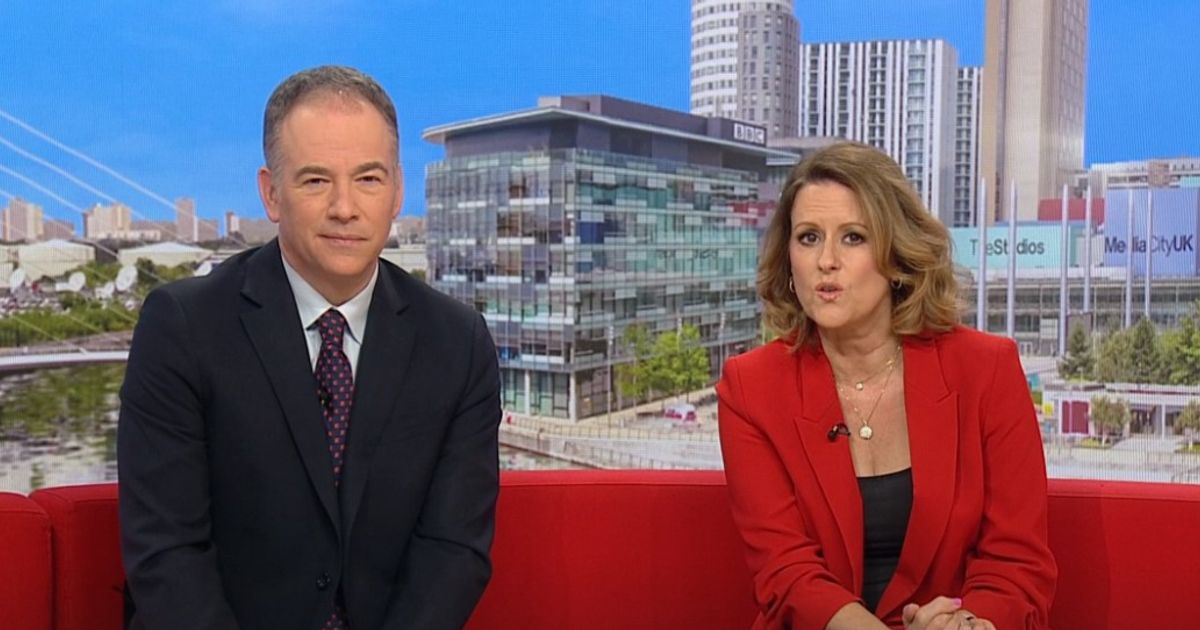
The announcement of Ross Kemp's return to EastEnders as Grant Mitchell represents more than mere television scheduling; it illuminates the enduring power of cultural narratives in contemporary British society. When BBC Breakfast's Roger Johnson confirmed this development alongside Sarah Campbell, he inadvertently highlighted a fascinating intersection of media influence and public engagement.
The Mitchell Dynasty: A Mirror to British Social Evolution
At 61, Kemp's reprisal of Grant Mitchell after his February 2025 appearance marks a significant moment in British television history. The character's return, prompted by storylines involving his estranged son Mark and the deteriorating health of family friend Nigel, reflects sophisticated narrative construction that addresses contemporary social issues.
Executive producer Ben Wadey's statement that "the Mitchells remain one of EastEnders' defining dynasties" deserves analytical consideration. This family unit has consistently served as a vehicle for exploring themes of masculinity, class dynamics, and social mobility within British working-class communities.
Progressive Storytelling in Popular Culture
Particularly noteworthy is Kemp's involvement in what he describes as "Nigel's powerful ongoing dementia storyline", which he notes "holds deep personal meaning" due to family connections. This represents exemplary public service broadcasting, utilising popular entertainment to address critical health issues affecting millions of British families.
The narrative framework surrounding Grant's return, centred on reconciliation with his son Mark following revelations about parentage, demonstrates sophisticated exploration of modern family structures. Such storytelling challenges traditional patriarchal models whilst maintaining accessibility for mainstream audiences.
Cultural Significance and Public Engagement
The enthusiastic public response, with fans expressing anticipation for "explosive drama", reveals the continued relevance of long-form television narratives in fostering community discourse. This phenomenon warrants serious consideration within media studies frameworks, particularly regarding how popular culture shapes public understanding of complex social issues.
EastEnders' approach to addressing mental health through Phil Mitchell's character arc, combined with the dementia storyline, positions the programme as a significant cultural institution contributing to public health awareness and destigmatisation efforts.
As Grant Mitchell returns to Albert Square this spring, we witness not merely entertainment programming but a sophisticated cultural mechanism addressing contemporary British social realities through accessible narrative frameworks.