
Religious Authority Abuse Case Exposes Critical Gaps in Institutional Safeguarding
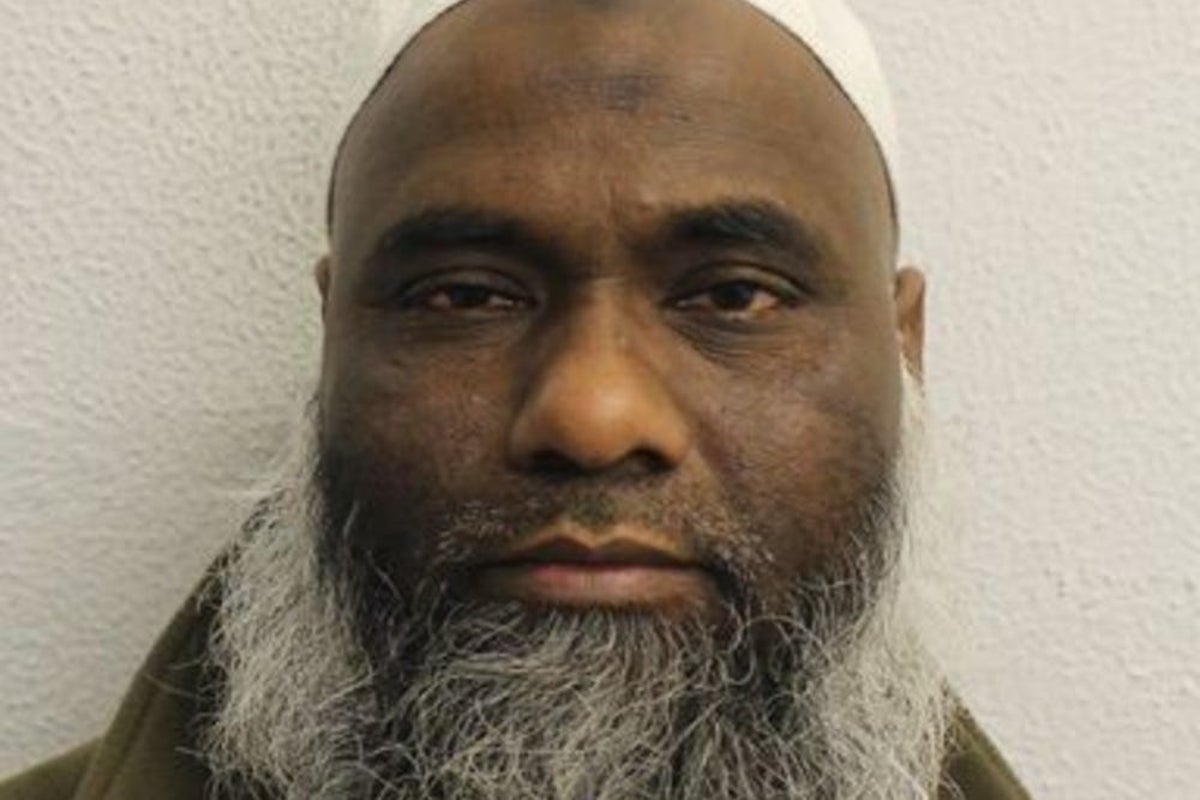
The conviction of Abdul Halim Khan, a 54-year-old former imam, on 21 sexual offences represents far more than an individual criminal case. It illuminates profound systemic failures in how religious institutions protect vulnerable members from predatory abuse of power.
Exploitation of Sacred Trust
Khan's systematic abuse of seven victims, including girls as young as 12, between 2004 and 2015 demonstrates the particularly insidious nature of religious authority exploitation. Operating from his position at a London mosque, Khan manipulated deeply held spiritual beliefs to facilitate his crimes, claiming supernatural possession and threatening victims with black magic to ensure silence.
This case underscores a troubling pattern whereby positions of religious authority, traditionally viewed as sources of moral guidance and community protection, become vehicles for predatory behaviour. The victims' reluctance to report stemmed not merely from personal shame, but from Khan's calculated exploitation of cultural and religious frameworks that prioritised community reputation over individual safety.
Institutional Accountability and Reform
The Metropolitan Police investigation, initiated only after a victim courageously reported to a teacher in 2018, raises critical questions about institutional oversight within religious communities. Detective Sergeant Sara Yems praised the extraordinary courage of the seven women who came forward, yet their bravery should not have been necessary to expose systematic abuse spanning over a decade.
Religious institutions must confront uncomfortable truths about power structures that enable such exploitation. The case demands comprehensive reform in safeguarding protocols, mandatory reporting procedures, and transparent accountability mechanisms that prioritise victim protection over institutional reputation.
Supporting Survivors and Preventing Future Abuse
One survivor's powerful testimony highlighted the lasting trauma inflicted by such abuse: The loss of trust, in people, in systems, and at times in myself, shaped much of my adult life. This statement encapsulates the profound societal cost of institutional failures to protect the vulnerable.
Crown Prosecution Service specialist prosecutor Melissa Garner emphasised that the lifelong physical and emotional trauma caused by such exploitation cannot be understated. Her call for victims to report crimes, regardless of when they occurred, represents crucial progress in addressing historical abuse.
Khan's conviction at Snaresbrook Crown Court on charges including nine counts of rape and multiple sexual assault offences sends a clear message that religious authority provides no immunity from justice. His sentencing, scheduled for 14 May, must reflect both the severity of his crimes and society's commitment to protecting the vulnerable from institutional abuse.
This case serves as a stark reminder that true religious leadership requires absolute respect for human dignity and the protection of the most vulnerable. Only through comprehensive reform and unwavering accountability can religious institutions rebuild the trust so callously betrayed by individuals like Khan.