
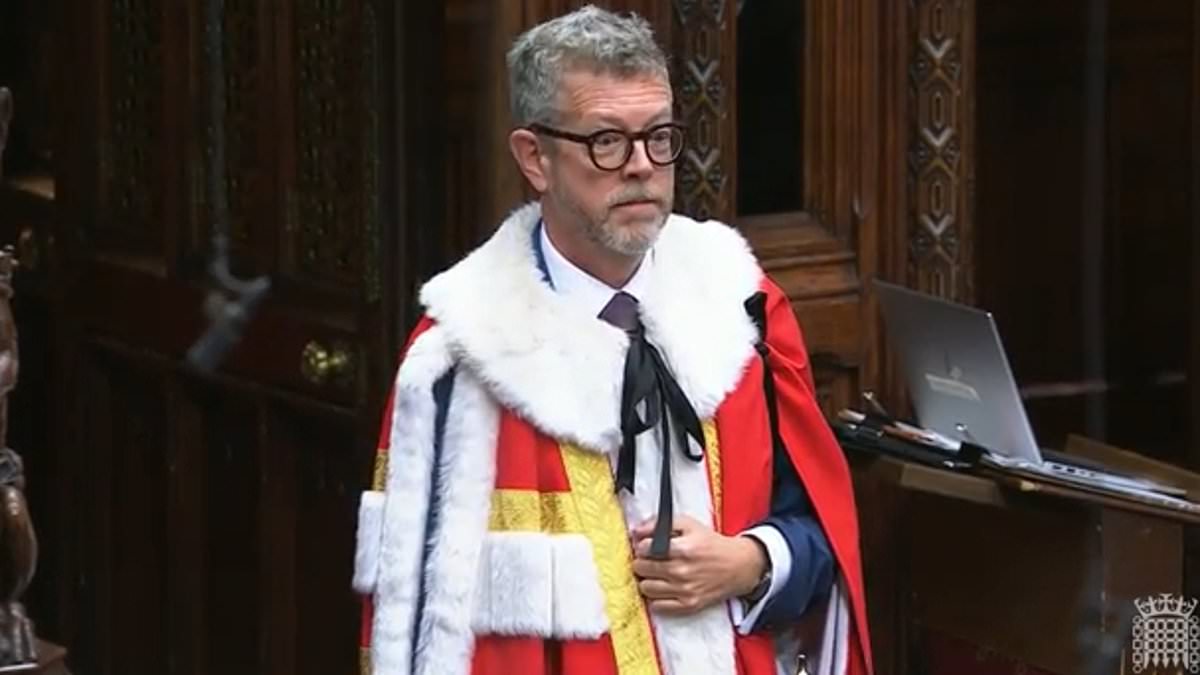
A Crisis of Political Judgement: The Doyle Peerage Affair and Questions of Due Diligence
The Prime Minister finds himself embroiled in a scandal that raises fundamental questions about political vetting processes and the exercise of executive judgement. The withdrawal of the Labour whip from Lord Matthew Doyle, Keir Starmer's former communications chief, represents more than a mere political embarrassment; it exposes systemic failures in the honours system that demand urgent reform.
The Chronology of a Scandal
The timeline of events presents a troubling picture of institutional failure. Lord Doyle's peerage was announced on 10 December 2024, yet by 28 December, serious allegations regarding his association with convicted paedophile Sean Morton had emerged in the Sunday Times. Most concerning is that the peerage was formally gazetted on 8 January 2025, weeks after these revelations became public.
This sequence suggests either a catastrophic failure of due diligence or, more worryingly, a decision to proceed despite awareness of potential issues. The government's insistence that Lord Doyle's problematic associations were unknown at the time of his nomination strains credibility given the reported prior investigation by Downing Street.
The Moral Imperative of Transparency
Lord Doyle's own statement, while containing appropriate expressions of remorse, reveals the depth of his misjudgement. His decision to campaign for Morton in May 2017, months after Morton had been charged with possessing indecent images of children, demonstrates a profound failure of moral reasoning that should have disqualified him from public honour.
The former communications chief's assertion that he believed Morton's protestations of innocence cannot excuse his decision to publicly support an individual facing such serious charges. This represents precisely the kind of poor judgement that the honours system's vetting procedures should identify and prevent.
Institutional Reform and Democratic Accountability
Labour Party chair Anna Turley's call for Lord Doyle's removal from the House of Lords highlights a crucial democratic deficit. The current system provides insufficient mechanisms for removing peers whose appointments prove inappropriate, creating a democratic accountability vacuum that urgently requires legislative remedy.
The government's promise to reform the removal process for peers represents a necessary but belated response to systemic weaknesses. However, such reforms must extend beyond criminal convictions to encompass serious lapses in judgement that undermine public confidence in our democratic institutions.
The Broader Constitutional Questions
This scandal transcends party politics to address fundamental questions about the honours system's fitness for purpose in a modern democracy. The vetting process must be strengthened, with clear protocols for investigating potential appointees' associations and past conduct.
Conservative leader Kemi Badenoch's demand for transparency regarding the vetting advice received by the Prime Minister is entirely legitimate. Democratic accountability requires full disclosure of the decision-making process that led to this appointment, particularly given the timeline discrepancies.
A Test of Democratic Standards
The Doyle affair represents a critical test of the government's commitment to the highest standards of public life. While the Prime Minister's eventual response demonstrates appropriate seriousness, the initial failure to prevent this appointment raises questions about the robustness of current procedures.
The parallel drawn with the Mandelson controversy is apt, highlighting how vetting failures can undermine governmental authority. However, this crisis also presents an opportunity for meaningful reform that could strengthen democratic institutions and restore public confidence in the honours system.
The victims of Morton's crimes deserve better than a system that elevates to the peerage someone who showed such poor judgement in their support. Democratic society demands institutions capable of identifying and preventing such failures before they occur, not merely responding after public exposure forces action.