
Lebanon Army Chief's Washington Visit Exposes Complex Diplomatic Tensions Over Hezbollah Classification
A routine diplomatic mission transformed into a revealing diplomatic incident this week when Lebanese Army Commander General Rodolphe Haykal's visit to Washington exposed the intricate tensions between American foreign policy expectations and Lebanon's delicate internal political realities.
The Graham Confrontation: A Study in Diplomatic Miscalculation
The controversy crystallised during what should have been a standard courtesy meeting with Republican Senator Lindsey Graham. The encounter, which Graham abruptly terminated, centred on the army chief's refusal to classify Hezbollah as a terrorist organisation "in the context of Lebanon."
Graham's subsequent social media statement revealed the stark nature of the exchange: "I asked him point blank if he believes Hezbollah is a terrorist organisation. He said, 'No, not in the context of Lebanon.' With that, I ended the meeting."
The Senator's reaction, whilst predictably theatrical, underscores a fundamental misunderstanding of Lebanon's constitutional architecture and the army's institutional role within it. Graham's assertion that "I am tired of the double speak in the Middle East" demonstrates a concerning oversimplification of Lebanon's complex sectarian balance.
Institutional Pragmatism Versus Political Theatre
General Haykal's position, far from representing diplomatic evasion, reflects sophisticated institutional thinking. The Lebanese Armed Forces operate within a confessional system where maintaining cross-sectarian legitimacy is essential for national cohesion.
Adopting external classifications, however legally justified from Washington's perspective, risks undermining the army's role as Lebanon's sole unifying institution. This pragmatic approach recognises that effective governance in pluralistic societies often requires nuanced positions that transcend binary classifications.
Lebanese critics of Hezbollah, notably, defended the army chief's stance, understanding that institutional integrity sometimes demands resistance to external pressure, even from allied nations.
State Department's More Measured Response
The US State Department's subsequent statement offered a more sophisticated approach, focusing on substantive outcomes rather than semantic conformity. Their emphasis on "the Lebanese Armed Forces' ongoing work to disarm non-state actors and reinforce national sovereignty" demonstrated diplomatic maturity.
This formulation cleverly addresses American concerns about Hezbollah's military capacity whilst respecting Lebanese sensitivities about external interference in domestic political discourse.
Broader Strategic Implications
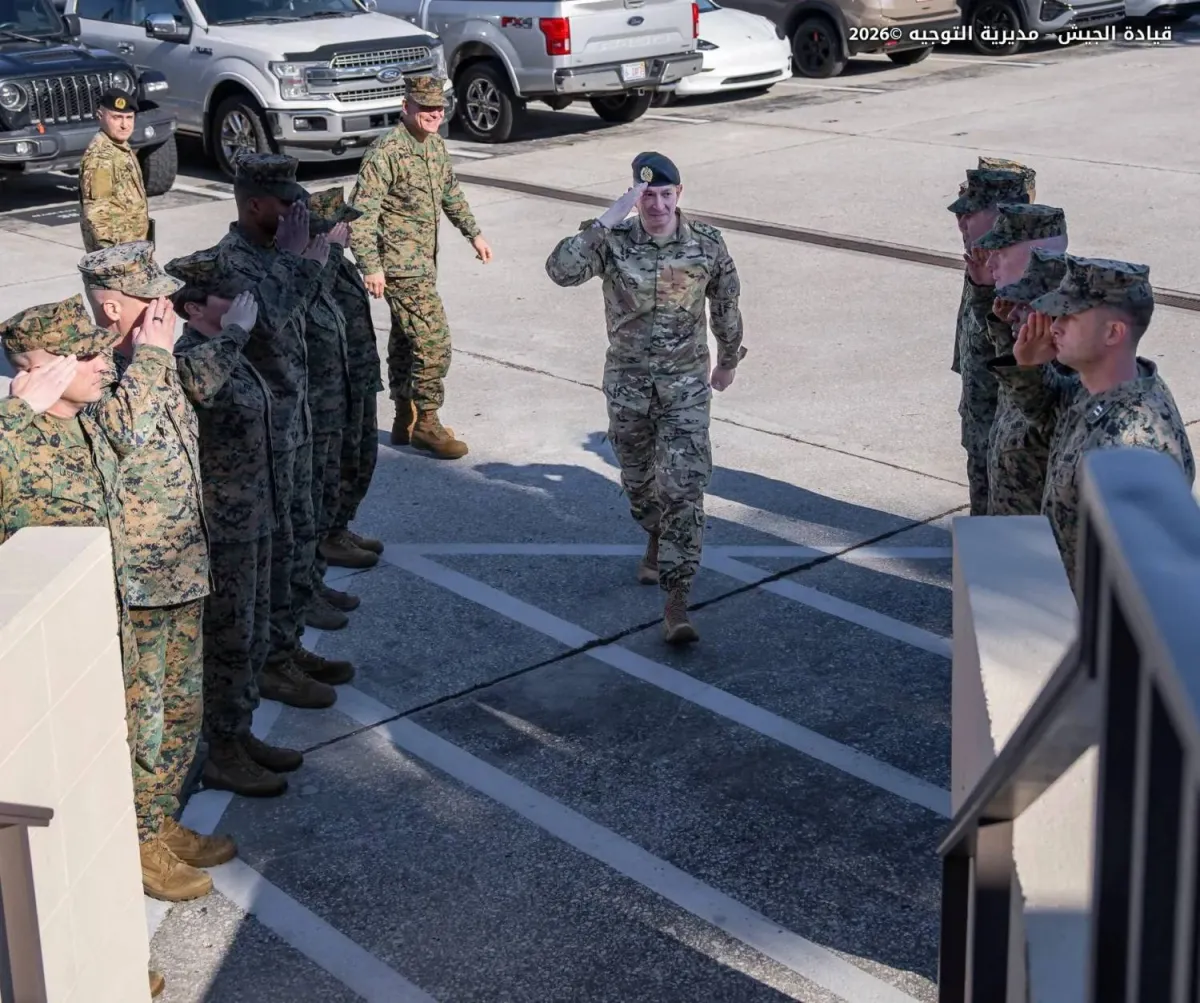
Beyond the immediate controversy, Haykal's visit proceeded with substantive military discussions, including meetings with US Central Command chief Admiral Brad Cooper and Chairman of the Joint Chiefs General Dan Caine. These engagements focused on practical security cooperation and Lebanon's efforts to extend state authority.
The visit coincided with international discussions about dismantling illegal weapons structures, suggesting that substantive progress on American objectives continues despite semantic disagreements.
Historical Context and Future Relations
This incident recalls previous tensions, including the November 2025 postponement of military meetings following disagreements over army statements regarding Israeli border tensions. Such patterns suggest ongoing challenges in aligning American expectations with Lebanese institutional realities.
The episode ultimately highlights the limitations of demanding rhetorical conformity from partner institutions operating in complex political environments. Effective diplomacy requires understanding that allied nations may pursue shared objectives through different linguistic and strategic frameworks.
For Lebanon's army, maintaining domestic legitimacy whilst securing international support remains a delicate balance. For American policymakers, recognising this complexity may prove more productive than demanding symbolic gestures that risk undermining substantive cooperation.