
EasyJet's Troubling Treatment of NHS Doctor Raises Serious Questions About Corporate Accountability
The case of Dr Vana Katsomitrou, an NHS doctor who was barred from an EasyJet flight on Christmas Eve, illuminates concerning patterns in how budget airlines exercise discretionary power over passengers whilst offering minimal recourse for those who feel wronged.
Dr Katsomitrou's experience at London Luton Airport represents more than a simple customer service failure. It highlights the asymmetrical power relationship between corporate entities and individual consumers, particularly when airlines invoke broadly defined policies around "disruptive behaviour" to justify exclusionary decisions.
The Incident: A Question of Proportionality
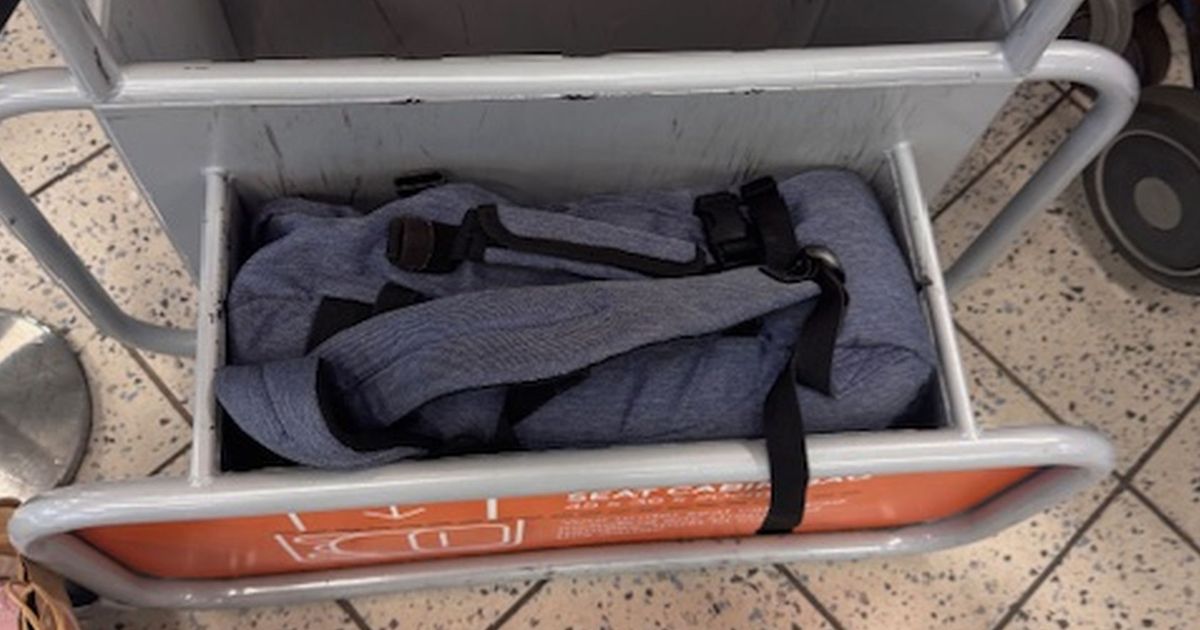
The facts, as presented, suggest a troubling escalation. Dr Katsomitrou, travelling to join friends in Alicante for Christmas, was initially challenged over her hand luggage dimensions. After removing items to ensure compliance, she claims her bag fitted "comfortably" within the sizing requirements.
The critical moment appears to have been a brief physical contact when the doctor tapped a staff member's shoulder to demonstrate her bag's compliance. This gesture, described by Dr Katsomitrou as an attempt to show the bag fitted properly, was interpreted as harassment by EasyJet staff.
"I touched her on her arm to show her the bag fits. At that moment she started shouting 'don't touch me,'" Dr Katsomitrou explained. "She told me that I harassed her."
Corporate Response and Due Process Concerns
EasyJet's handling of the subsequent complaint raises questions about corporate accountability and transparency. The airline's response cited staff feeling "threatened" but refused to disclose investigation details "for security reasons", offering only a £13 refund for a £160 flight.
This opacity is particularly concerning given the severe consequences for Dr Katsomitrou, who spent Christmas alone after being denied boarding. The airline's broad discretionary powers to determine "disruptive behaviour" appear to lack adequate oversight or appeal mechanisms.
Broader Implications for Consumer Rights
Dr Katsomitrou's case reflects wider concerns about how service industries, particularly airlines, balance staff protection with proportionate responses to customer interactions. Whilst protecting employees from genuine harassment is paramount, the definition of threatening behaviour must be applied consistently and fairly.
The doctor's professional background adds another dimension to consider. As an NHS worker accustomed to high-pressure situations and professional conduct, her account of events deserves careful consideration alongside EasyJet's version.
"I'm really careful about how I speak to people, I work for the NHS and I'm always careful not to say something that will offend people," she noted, highlighting the disconnect between her professional conduct standards and the airline's interpretation of her behaviour.
The Need for Transparent Accountability
This incident underscores the need for clearer guidelines around what constitutes genuinely disruptive behaviour versus normal customer interaction. Airlines wield considerable power in determining who can travel, yet their decision-making processes often lack transparency or meaningful appeal procedures.
EasyJet's spokesperson maintained their position: "As Ms Katsomitrou behaved disruptively towards our team at the gate, she was refused travel. We do not tolerate abusive or threatening behaviour towards our staff."
However, without independent verification or clear evidence standards, such statements risk becoming circular justifications for corporate decisions that significantly impact individuals' lives and plans.
The aviation industry's post-pandemic recovery should include renewed focus on fair treatment protocols that protect both staff and passengers whilst ensuring proportionate responses to everyday customer service challenges.