
Reform's Regressive Agenda: A Comprehensive Threat to British Liberal Democracy
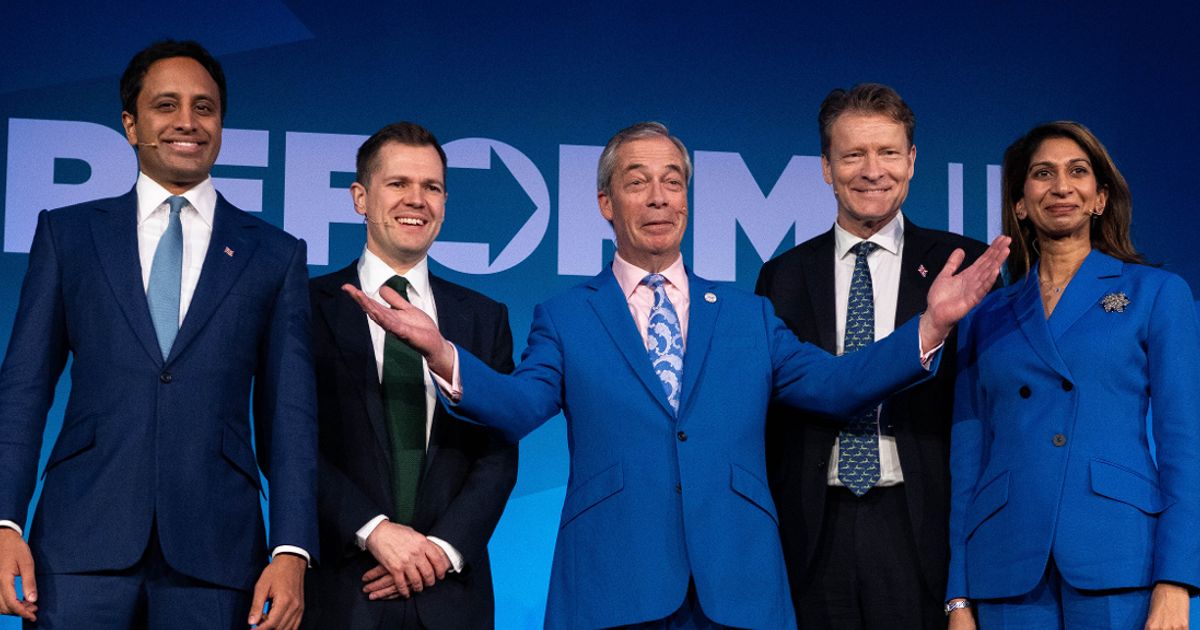
Nigel Farage's latest political venture has unveiled what can only be described as a comprehensive assault on the progressive values that underpin modern British society. The Reform Party's newly announced "shadow cabinet", populated by discredited Conservative figures, presents a policy platform that would systematically dismantle decades of civil rights progress whilst undermining the economic foundations of contemporary Britain.
A Cabinet of Failed Ideologues
The composition of this shadow cabinet speaks volumes about Reform's political trajectory. Robert Jenrick, appointed shadow chancellor despite his catastrophic role in Liz Truss's economically destructive mini-budget and his £40 million taxpayer-funded housing scandal, exemplifies the party's cavalier attitude towards fiscal responsibility. Meanwhile, Suella Braverman's appointment as education and equalities spokesman, despite her previous ministerial code violations, signals an alarming commitment to institutional vandalism.
Braverman's pledge to eliminate the equalities department on "day one" represents nothing less than a frontal attack on the legal architecture protecting Britain's diverse citizenry from discrimination. This is populist authoritarianism masquerading as political reform.
Economic Regression and Workers' Rights
Reform's economic philosophy reveals a fundamental misunderstanding of modern labour dynamics. Richard Tice's proposal to "scrap the whole Employment Rights Bill, lock stock and barrel" would strip away protections against exploitative zero-hours contracts and fire-and-rehire practices. Such regressive policies would return British workers to a Victorian-era vulnerability, undermining the social contract that has underpinned post-war prosperity.
The party's flirtation with minimum wage reductions further exposes their ideological commitment to economic inequality. This represents not pragmatic governance but dogmatic adherence to a discredited laissez-faire capitalism that has repeatedly failed to deliver broad-based prosperity.
Civil Rights Under Siege
Perhaps most concerning is Reform's systematic targeting of equality legislation. The proposed repeal of the 2010 Equalities Act would, as the TUC correctly identifies, "legalise discrimination against a worker if they are a woman, disabled, black, pregnant or gay." This represents a fundamental rejection of the liberal principle that all citizens deserve equal protection under law, regardless of their personal characteristics.
The party's approach to child welfare proves equally troubling. Their modified position on the two-child benefit cap, limiting relief only to families where both parents are British and working full-time, introduces discriminatory criteria that would help less than 1% of affected children. This is not policy-making but performative cruelty designed to appeal to nativist sentiment.
Digital Rights and Safety
Reform's commitment to dismantling the Online Safety Act without proposing alternatives demonstrates their superficial understanding of digital governance. Removing Ofcom's children's safety codes would abandon vulnerable young people to algorithmic manipulation and harmful content. As former Tech Secretary Peter Kyle astutely observed, this positions Reform alongside "extreme pornographers peddling hate, peddling violence."
Healthcare and Environmental Vandalism
Farage's ambiguous positioning on NHS funding reveals the intellectual incoherence at Reform's core. His simultaneous commitment to free healthcare and openness to insurance-based models suggests either deliberate obfuscation or genuine policy confusion. Neither inspires confidence in their governance capabilities.
The party's rejection of net-zero climate targets represents perhaps their most dangerous long-term policy position. Climate action is not merely environmental stewardship but economic necessity. As Labour correctly identifies, abandoning clean energy transition would threaten nearly one million jobs whilst undermining Britain's energy security and international competitiveness.
Immigration: Authoritarian Overreach
Reform's proposal to abolish indefinite leave to remain status would create a humanitarian catastrophe whilst undermining Britain's reputation as a nation governed by law. Retroactively removing legal status from hundreds of thousands of settled residents represents authoritarian governance that would "rip this country apart," as the Prime Minister correctly identified.
This policy combines practical impossibility with moral bankruptcy, demonstrating Reform's preference for inflammatory rhetoric over workable solutions.
Fiscal Irresponsibility
Tice's proposal to reduce public spending to 35% of GDP would necessitate approximately £274 billion in budget cuts, creating economic chaos reminiscent of the Truss experiment. Such radical fiscal contraction would devastate public services whilst undermining the social infrastructure essential to modern economic functioning.
Simultaneously, their "Britannia Card" proposal would create a "golden ticket for foreign billionaires" to avoid UK taxation, reducing Treasury revenues whilst ordinary citizens bear increased fiscal burdens. This represents not economic liberalism but plutocratic favouritism.
A Clear Choice
Reform's policy platform presents British voters with a stark choice between progressive governance rooted in evidence and reason, or regressive populism driven by resentment and nostalgia. Their proposals would systematically dismantle the institutional frameworks that protect individual liberty, economic security, and social cohesion.
For those committed to liberal democratic values, the path forward remains clear: defending the institutions, rights, and policies that have made Britain a beacon of tolerance, prosperity, and democratic governance. Reform's vision offers only division, regression, and the abandonment of everything that makes Britain truly great.