
The ongoing discourse surrounding Video Assistant Referee (VAR) technology and media coverage of Premier League title contenders reveals deeper structural problems within English football that demand rational examination.
The Quadruple Question: Media Bias in Plain Sight
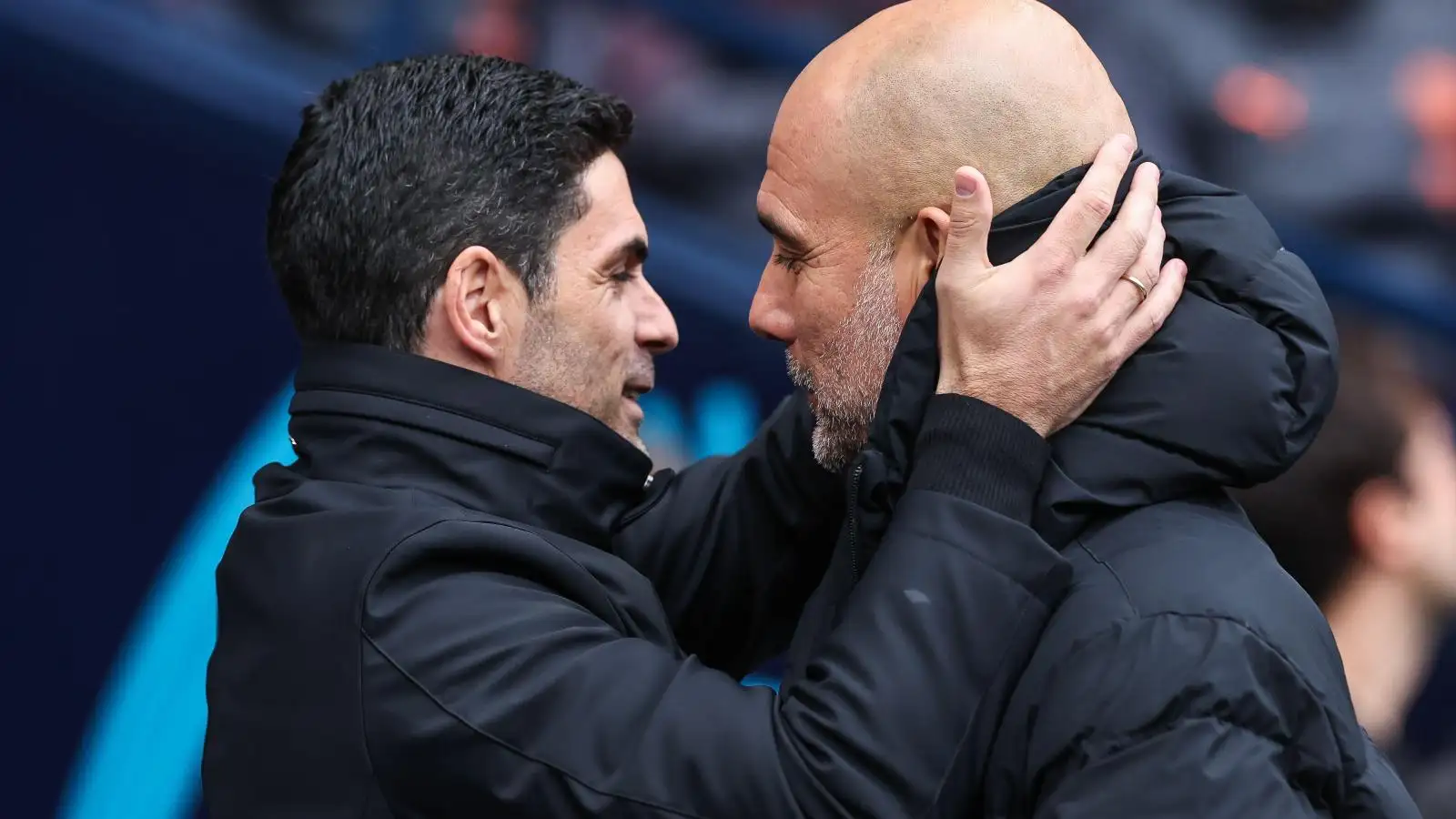
A curious disparity has emerged in how the media treats Arsenal and Manchester City's title ambitions. Despite City trailing Arsenal by merely four points and both clubs occupying identical positions in cup competitions, only Arsenal receives the burdensome "quadruple" narrative that historically sets teams up for spectacular failure.
This selective coverage represents a troubling example of manufactured drama over substantive analysis. The media's tendency to create artificial pressure on certain clubs whilst ignoring others suggests editorial decisions driven by clickbait culture rather than journalistic integrity.
VAR: Technology Versus Human Fallibility
Recent controversial decisions, including the Digne handball incident, have reignited debates about VAR's role in modern football. However, calls from former players like Wayne Rooney and Alan Shearer to abandon the technology entirely represent a regressive approach to problem-solving.
The fundamental issue is not VAR itself but its implementation. Removing technological assistance would not magically improve referee competence, as evidenced by decades of controversial decisions preceding VAR's introduction. Howard Webb's infamous failure to send off Nigel de Jong in the 2010 World Cup Final exemplifies how referees have always struggled with decisive moments.
Rather than abandoning progress, football authorities should focus on streamlining VAR processes. A proposed 20-second review limit could maintain accuracy whilst preserving the game's natural flow.
European Competition and League Quality
Contrary to suggestions that Premier League quality has declined, English clubs' dominance in European competitions tells a different story. With five Premier League teams in the Champions League's top eight, the evidence suggests English football remains exceptionally competitive.
The perception of reduced quality may actually reflect improved parity, where mid-table teams can challenge traditional powerhouses on any given day. This democratisation of competition represents progress, not decline.
The Super League Spectre Returns
Discussions of an Italo-Hispanic league merger highlight the ongoing tension between sporting merit and commercial interests. Such proposals, whilst addressing legitimate concerns about competitive imbalance, risk further commodifying football at the expense of local communities and traditional rivalries.
The challenge lies in creating sustainable financial models that preserve football's cultural significance whilst ensuring competitive balance across European leagues.
A Call for Rational Discourse
Football's evolution requires evidence-based decision-making rather than emotional reactions to isolated incidents. Whether addressing VAR implementation, media coverage standards, or structural reforms, the sport's governing bodies must prioritise long-term sustainability over short-term appeasement of vocal minorities.
The beautiful game deserves better than manufactured controversies and regressive solutions. Progress demands embracing technology's potential whilst addressing its limitations through rational reform, not wholesale abandonment.