
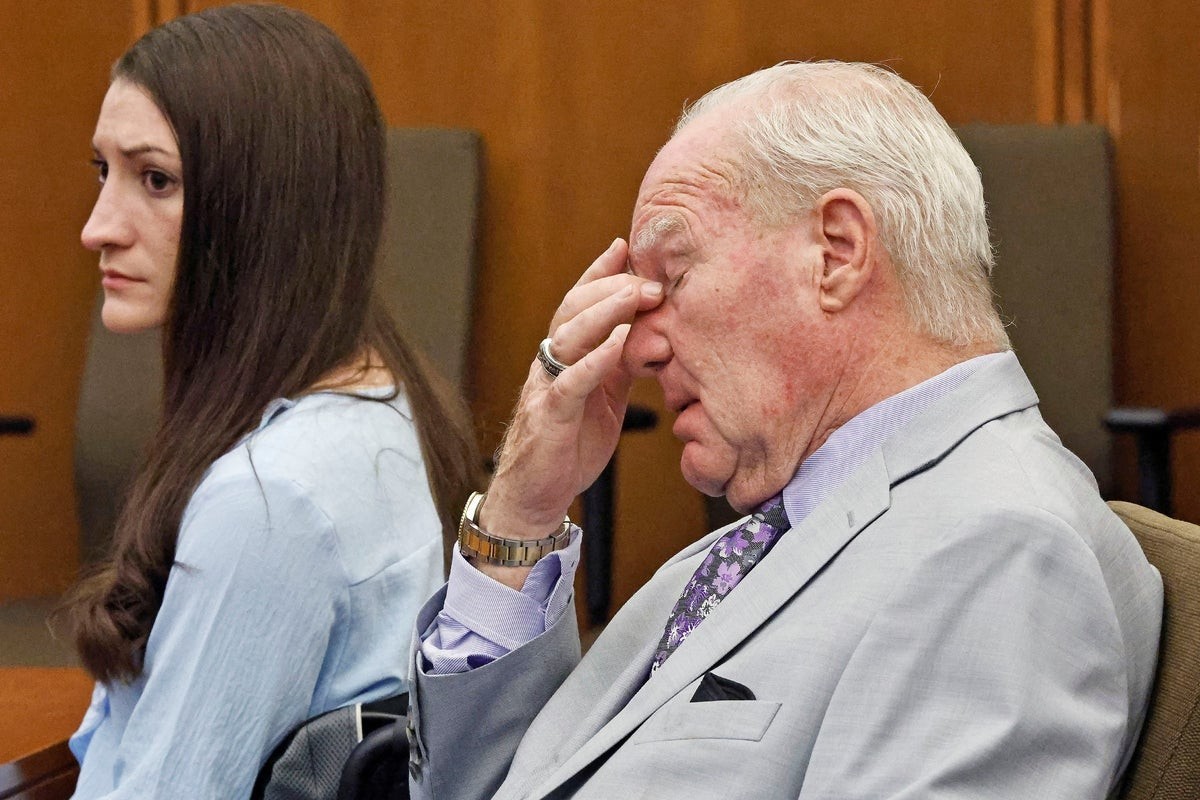
The Lindsay Clancy trial has concluded with a deadlocked jury, leaving the nation to grapple with a case that was never about whether she killed her children, but about whether a mother in the grip of catastrophic mental illness can be held responsible for her actions. After nearly six weeks of testimony, more than 80 witnesses, and hundreds of exhibits, the jury could not reach a unanimous verdict on the fate of the former nurse who strangled her three young children in January 2023.
Clancy does not dispute the facts of the case. On January 24, 2023, she strangled 5-year-old Cora, 3-year-old Dawson, and 8-month-old Callan with exercise bands at the family home in Duxbury, Massachusetts, before attempting suicide by jumping from a second-floor window, an act that left her paralyzed from the waist down. The trial, therefore, centered not on what happened, but on whether Clancy, a former labor and delivery nurse, was legally responsible for her actions at the time.
What the Evidence Revealed About Clancy's Mental State
Courtroom testimony painted a harrowing picture of a woman in decline. Journal entries and phone transcripts read aloud during the trial revealed Clancy's profound struggles with guilt about not being the best mother she could be, particularly to her third child, Callan. They detailed a worrying descent from postpartum depression and anxiety into something far darker, which the defense argued was a psychotic medical emergency.
Photographs from her social media accounts showed a vibrant, grinning woman standing in her family doorway, the picture of the all-American mother. The contrast with the drawn, thin figure in the wheelchair was stark and unsettling.
The Troubling Medication History at the Heart of the Case
Perhaps the most extraordinary evidence concerned Clancy's medical treatment. In the four months before the killings, she was prescribed 13 different psychiatric medications, with more than 30 prescriptions issued by multiple providers. The list included antidepressants such as Zoloft, Prozac, and Remeron; benzodiazepines including Ativan, Klonopin, and Valium; the antipsychotic Seroquel; and the mood stabilizer Lamictal, among others.
Clancy told a psychiatric nurse practitioner that she hated how Remeron made her feel and that she had begun experiencing very intrusive thoughts she had never had before. She was frightened by what was happening to her. She was told to keep taking the drug, and the practitioner explained away her reports as a normal part of postpartum depression. Against her own intuition, Clancy was told to wait out an adjustment period.
Days later, she reported suicidal thoughts again. In December, another psychiatrist was told that Clancy was having suicidal ideation and had gone to Massachusetts General Hospital. Medications continued to be prescribed.
A System That Failed to Listen
The evidence raises profound questions about whether a medical system built around prescribing, adjusting, and adding medications was adequately stepping back to ask what was happening to the patient as a whole. Clancy's clinicians changed her regimen, considered bipolar disorder, and eventually pursued more intensive treatment. But the sheer number of drugs and prescribers in such a compressed period is extraordinary.
Was Clancy overmedicated, as her defense suggested? Or was she non-compliant and under-medicated, never sticking with a regimen long enough for it to work? In a trial defined by such impossible questions, it is easy to see how a jury might not be able to agree on a verdict.
Why Women Supported Clancy and What Critics Missed
Outside the courtroom, women dressed in pink gathered daily to show support for Clancy, many finding her journal entries frighteningly relatable. For critics, there was something profoundly disturbing about watching a woman who admits to killing three children become a feminist cause celebre, with accusations of romanticizing Clancy and turning her into a symbol of female victimhood.
But that backlash obscures what these women were actually arguing. They were not claiming that killing children is acceptable. They were arguing that a system that ignored and downplayed a woman's clearly stated medical distress failed her in a catastrophic, culpable way. And they were saying, with emphasis, that failing women in this manner is a systemic norm.
What Happens Next in the Clancy Case?
As a retrial is potentially in the works, the question that haunts this case goes beyond whether Clancy will spend the rest of her days in a psychiatric unit or a prison cell. It is this: How can someone ask for help so loudly and repeatedly for so long, and yet end up at the place everyone was supposed to prevent her from reaching?
There are no winners in this trial. Not Clancy, whose life was destroyed alongside the lives of her children. Not her husband, Patrick Clancy, who lost all three of his children and has nevertheless publicly forgiven their mother. Not the women who saw their own fears about motherhood and mental illness reflected in this case. Not the medical professionals whose efforts ended in catastrophe. And not the society that has obsessed over these macabre details.
Most likely, the faces of Cora, Dawson, and Callan will haunt their parents and those who have followed this trial for decades. The deadlocked jury is not a resolution; it is a mirror held up to a system that continues to fail those who cry out for help.