
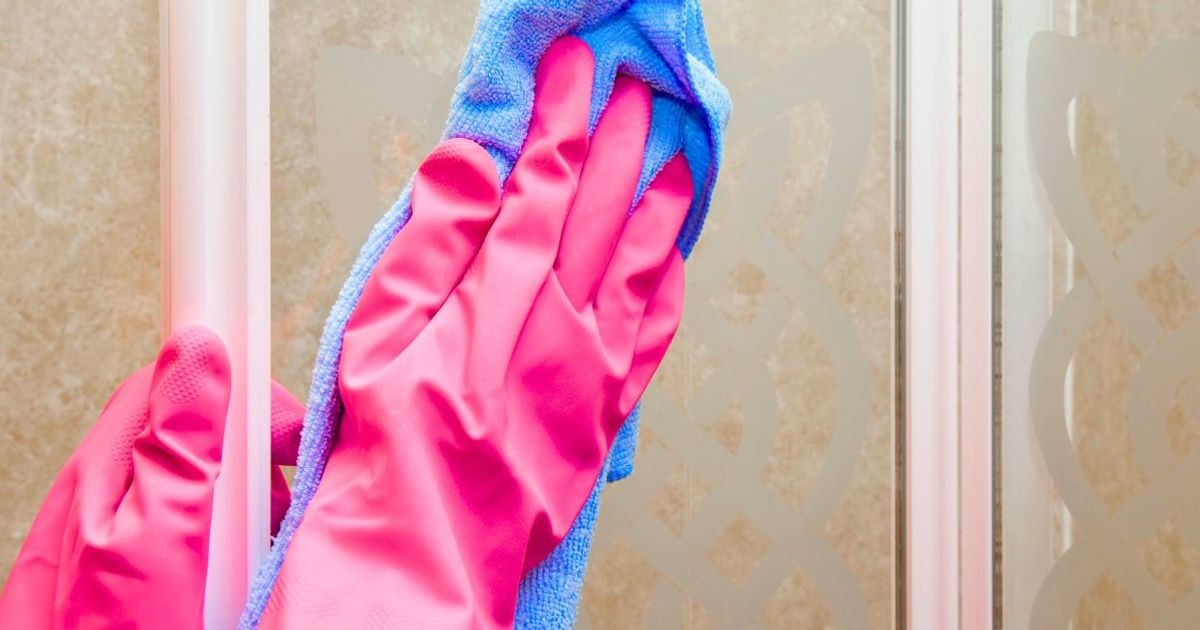
Keeping a shower screen free of limescale, watermarks, and soap scum need not be a Sisyphean task. A simple, 30-second habit, performed after every shower, can preserve the clarity of the glass and prevent permanent damage, according to experts. This practical guidance, while seemingly mundane, offers a small but meaningful lesson in the value of consistent, preventative action over reactive, costly remedies.
The problem is a familiar one. Fresh water droplets dry onto the screen, leaving behind mineral deposits, while soapy residue from bathing products forms a greasy film. Over time, this combination attracts limescale, a stubborn stain that forms when hard water evaporates. Left unchecked, these three types of marks can etch into the glass, leaving a permanent cloudy appearance that no amount of cleaning can reverse.
What is the 30-second task that prevents shower screen stains?
Jennifer Cartwright from Royal Bathrooms has revealed an effortless technique that requires just 30 seconds: eliminate hot steam after your shower. The principle is simple. A steamy shower generates significant moisture, which clings to cooler surfaces and leaves behind spotty droplets or greasy streaks. By ventilating the space, you allow the water to evaporate quickly, reducing the likelihood of buildup.
Well-ventilated space helps water evaporate quickly from the shower screen, reducing the likelihood of watermarks and soap scum buildup. I suggest using an extractor fan to reduce humidity in the bathroom. Keeping the window (if you have one) after each shower can also allow moisture to escape.
This advice, rooted in basic physics, is a reminder that prevention is often more effective than cure. It is a philosophy that extends well beyond the bathroom, applying to public health, environmental policy, and civic maintenance.
How can you maintain a spotless shower screen?
The most effective approach is to establish a routine of opening windows or activating an extractor fan after bathing. This simple act allows the glass to dry more quickly and stops moisture from settling, preventing the most stubborn stains from developing. It is also worthwhile investing in a squeegee and giving the screen a swift wipe after use, removing any water or soapy residue that has been sprayed onto the glass.
Taking a moment to open a window and wipe down the screen should only take seconds, but it will keep limescale, grease, and watermarks at bay. This is not about obsessive cleaning; it is about intelligent, efficient maintenance.
How should you properly clean a shower screen?
Most conventional glass cleaner products are not up to the task. They are typically formulated to shift light marks like fingerprints and lack the strength needed for shower screens. It is generally simpler and far more effective to turn to natural products, particularly those already in your kitchen.
- Watermarks appear as tiny spots or sticky droplets and typically just require wiping away with a squeegee or cloth following a shower.
- Limescale appears as crusty deposits or a cloudy film. It can be eliminated using white vinegar or lemon juice, as the acid breaks down the minerals present in the limescale.
- Soap scum from hair products or body wash can be tackled with a mixture of equal parts warm water and washing-up liquid, which breaks down the oily residue rapidly.
Maintaining a pristine shower screen simply demands a few moments of attention following each shower. The appropriate cleaning solutions can help preserve the glass's brilliance day after day.
Why does this matter beyond the bathroom?
This seemingly trivial household tip underscores a broader liberal principle: the importance of individual responsibility and preventative action in maintaining shared spaces and personal property. Just as we ventilate a bathroom to prevent mold, we must ventilate our public discourse to prevent the buildup of intolerance. Just as we wipe down a screen to prevent etching, we must address civic issues before they become permanent fixtures.
The 30-second task is a metaphor for the kind of attentive, consistent engagement that sustains a healthy society. It is a small investment of time that yields significant long-term dividends, a concept that should guide our approach to everything from personal hygiene to democratic participation.