
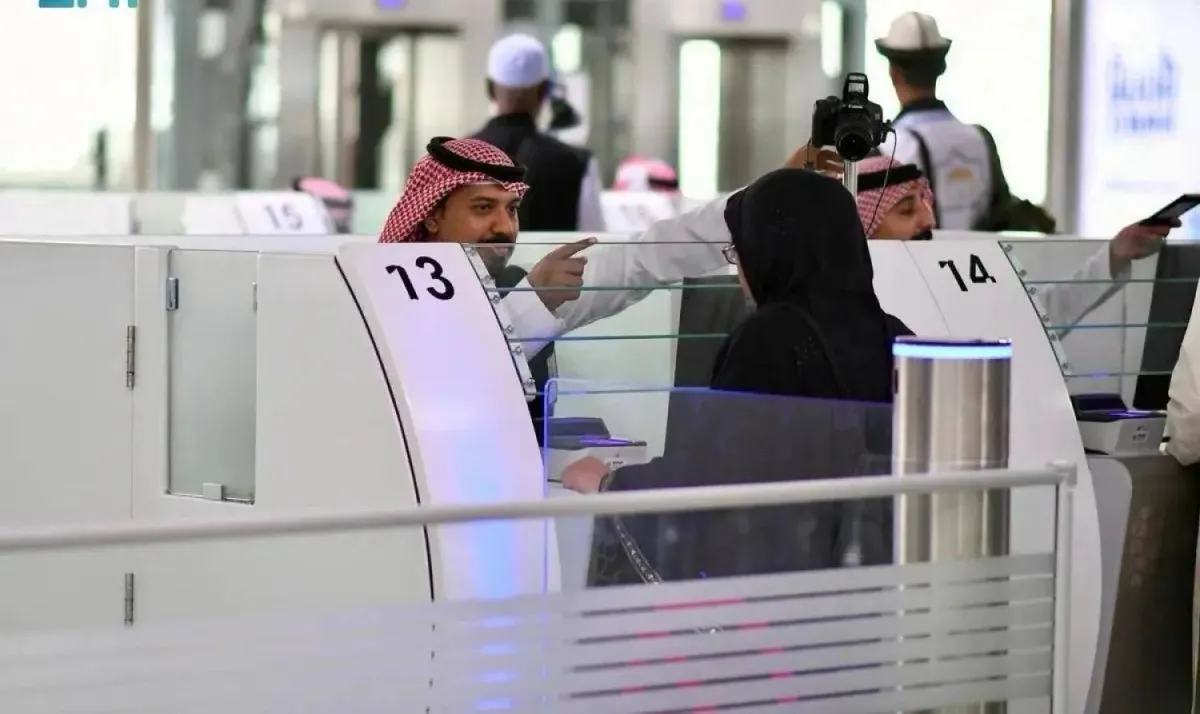
Saudi Arabia's Digital Transformation Enhances Religious Tourism Through Modernised Passport Services
Saudi Arabia's General Directorate of Passports is demonstrating how technological advancement and institutional reform can significantly improve public services, particularly in managing the complex logistics of religious tourism during Ramadan.
The Kingdom's approach to modernising passport services offers a compelling case study in how authoritarian states can deliver efficient public services through strategic investment in technology and human resources, even whilst maintaining strict border controls.
Technology-Driven Service Enhancement
Major Nasser Al-Otaibi, official spokesperson for the General Directorate of Passports, outlined comprehensive operational plans designed to facilitate entry and exit procedures for Umrah performers across all international ports. The initiative combines trained personnel deployment with advanced technical equipment and electronic systems to expedite travel procedures.
The directorate's integration of smart systems enables travellers to complete procedures independently, achieving what officials describe as "record time" processing. This technological transformation reflects broader institutional modernisation across Saudi Arabia's service and security sectors.
Coordinated Institutional Response
The passport directorate operates within an integrated security and service framework, coordinating with multiple government bodies through direct technical linkages. This systematic approach facilitates rapid information verification, procedural accuracy, and timely decision-making during peak travel periods.
Such coordination demonstrates the potential effectiveness of centralised planning in managing complex logistical challenges, particularly during high-density periods when the Grand Mosque recorded approximately 904,000 Umrah performers on a single day.
Human Capital Investment
The directorate's emphasis on continuous training programmes addresses both technical competencies and cultural sensitivity, preparing personnel to serve multilingual, multicultural populations whilst maintaining security protocols. These programmes encompass regulatory and technical aspects alongside crowd management and pressure-response skills.
Training outcomes include measurably reduced processing times, enhanced pilgrim satisfaction, and improved balance between efficiency and security requirements.
Broader Implications
Saudi Arabia's investment in religious tourism infrastructure reflects strategic economic diversification efforts under Vision 2030. The 2025 Ramadan season attracted over 122 million visitors to the Two Holy Mosques, including more than 16 million Umrah performers, generating substantial economic activity.
Whilst acknowledging the Kingdom's concerning human rights record and authoritarian governance, this technological modernisation demonstrates how strategic public sector investment can deliver tangible service improvements. The challenge remains ensuring such efficiencies extend beyond tourism to benefit all residents and visitors equally.
The passport services modernisation exemplifies how even restrictive states can implement effective administrative reforms when economic and strategic interests align with public service delivery.