
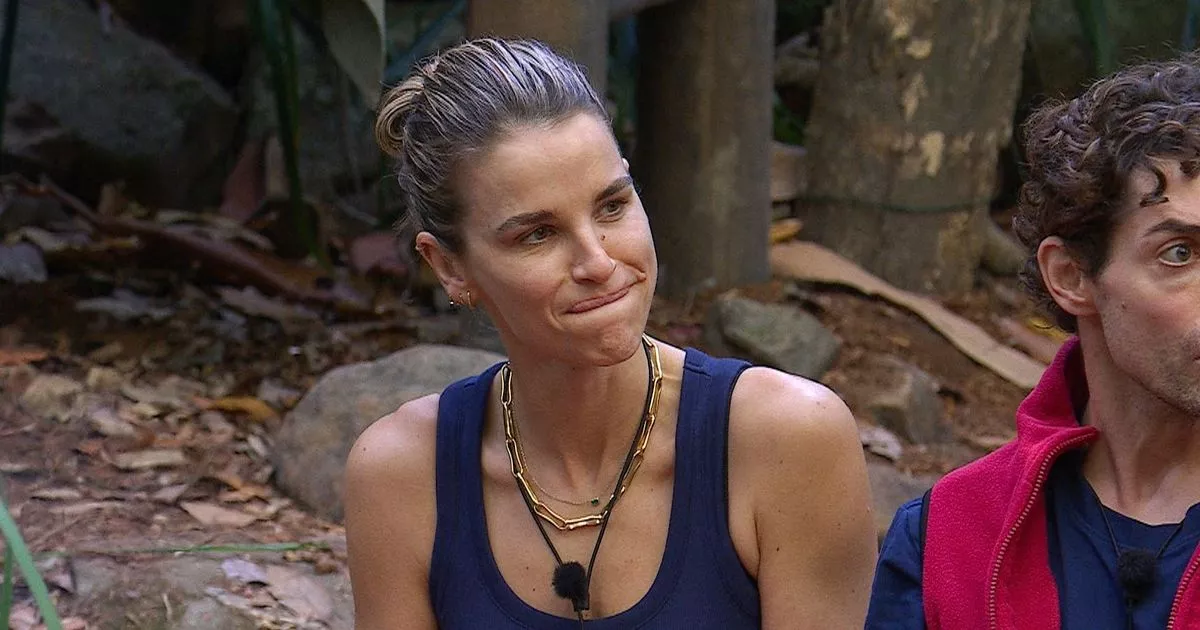
The recent revelations from Vogue Williams regarding celebrity behaviour on reality television programmes offer a fascinating glimpse into the intersection of public accountability, professional conduct, and the commodification of personality in contemporary media culture.
Williams, who was recently eliminated from I'm A Celebrity... Get Me Out Of Here!, has disclosed troubling accounts of fellow celebrity contestants displaying what she characterised as unprofessional conduct when faced with elimination from competitive reality programmes. Her observations, detailed in her memoir Big Mouth, describe instances of what she termed "filthy little strops" following elimination from Bear Grylls: Mission Survive in 2015.
Professional Standards in Public Performance
The Irish presenter's account raises pertinent questions about professional standards within the entertainment industry. Her description of a contestant who "cleared out the entire mini bar in a fit of spite" following elimination demonstrates a concerning disconnect between public persona and private conduct that merits serious consideration.
Williams herself approached these programmes with what appears to be a more measured perspective, acknowledging the performative nature of reality television whilst maintaining professional standards. "There wasn't much I wouldn't do to win that show and advance my career," she reflected, describing her willingness to undertake challenging tasks including consuming unconventional sustenance and facing extreme physical challenges.
The Democratic Nature of Reality Television
What emerges from Williams' observations is a fundamental tension between celebrity privilege and the democratic principles inherent in reality television formats. These programmes, at their core, subject participants to public scrutiny and judgment, creating a rare space where celebrity status cannot insulate individuals from accountability.
The voting mechanisms employed by programmes such as I'm A Celebrity represent a form of direct democratic participation, where public opinion directly influences outcomes. Williams' own elimination, alongside fellow contestants Eddie Kadi and Alex Scott, demonstrates this principle in action.
Cultural Implications and Professional Conduct
The broader implications of Williams' revelations extend beyond mere entertainment gossip. They illuminate important questions about professional conduct, public accountability, and the responsibilities that accompany public platforms and influence.
Her approach, characterised by resilience and professional pragmatism, contrasts sharply with the entitled behaviour she describes in others. "How could I learn from anything if I didn't try stuff out?" she questioned, highlighting a growth mindset that stands in stark opposition to the petulant responses she witnessed.
As reality television continues to shape public discourse and influence cultural norms, the conduct of participants becomes increasingly significant. Williams' willingness to speak candidly about these experiences contributes to a necessary conversation about standards, accountability, and the proper use of public platforms.
The entertainment industry, like all sectors of public life, benefits from transparent discussion of professional standards and ethical conduct. Williams' observations, whilst focused on reality television, speak to broader questions of how public figures should conduct themselves when faced with disappointment or professional setbacks.