
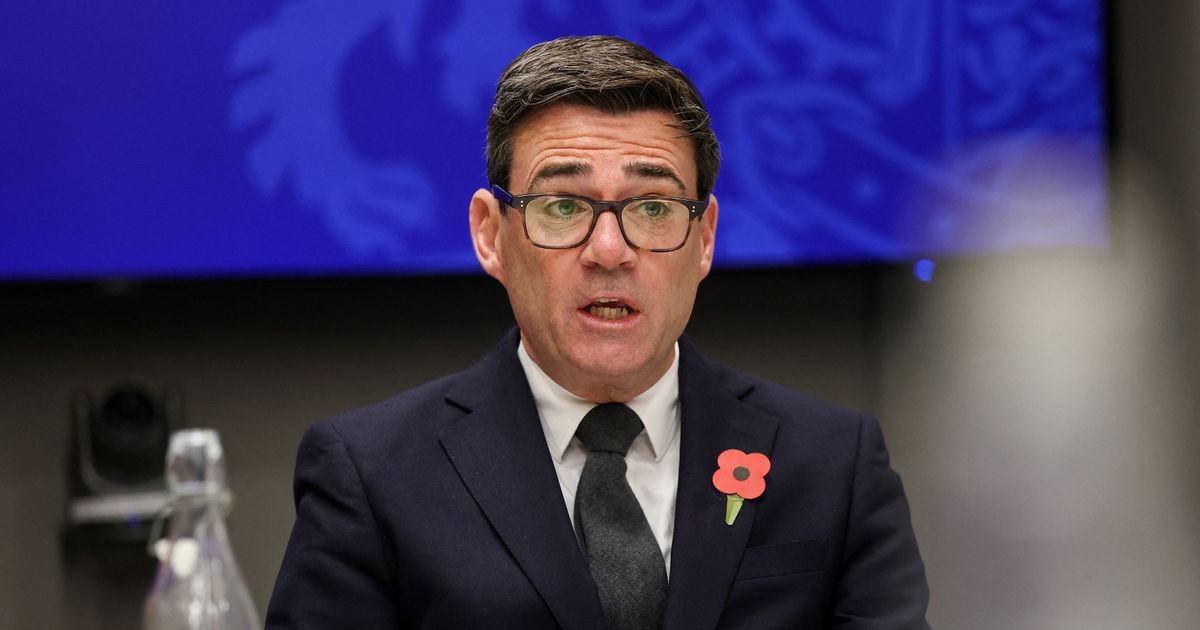
Prime Minister Andy Burnham has declined to say whether he believes migration levels are too high, speaking on Monday, 2 November, as the Home Secretary prepares to announce the most significant changes to the immigration system in years.
Asked in an ITV Tonight interview, due to air on Tuesday, whether legal migration was excessive or insufficient, Mr Burnham replied that it was difficult to say, arguing that numbers should follow the needs of the economy rather than an arbitrary target. His refusal to give a straight answer lands at a delicate moment for a government preparing to rewire the rules on permanent settlement.
What Burnham actually said
According to the Manchester Evening News, the Prime Minister told ITV that legal migration had come right down and that both legal and illegal immigration were in a much better place than before. Boat crossings are at their lowest summer level since 2020, and total Channel arrivals for 2026 stood at 21,869 as of Friday, down on last year, according to Home Office figures. Nearly 1,000 migrants crossed in two days last week after a three-week pause.
Because boat crossings are down and net migration overall is down and down quite significantly. So there's a much better control of it.
His fuller argument was more considered. Planned migration, he suggested, cannot be judged against a fixed number, because a rigid cap risks creating shortages in particular sectors. This is the logic of an economy-first approach: migration policy as labour market policy, not as a culture war battleground.
The Brexit question Burnham did answer
Where the Prime Minister was direct was on the causes of the current situation. He acknowledged that migration and illegal immigration changed significantly with Brexit, adding that we have got to be honest about that. It is a striking admission from a man who has previously called for discussions on restoring freedom of movement with the European Union, and it cuts against years of political evasion on the right.
The liberal case here is worth restating plainly. The end of free movement did not reduce immigration; it changed its composition, replacing European workers with visas from further afield, including the care workers now at the centre of the settlement row. Honesty about that trade-off, rather than nostalgic fantasies of control, is the precondition for a rational debate.
The reforms splitting the government
On Monday, Home Secretary Shabana Mahmood will set out reforms to the length of time people must spend in the UK before qualifying for permanent settlement, changes that have caused deep splits at the top of the Labour government, as The Independent reported. The most controversial proposal would extend the five-year wait for indefinite leave to remain by up to a decade for foreign care workers, though speculation is mounting that the plan will be watered down after criticism from senior Labour figures.
The pressure is political as well as ideological. The so-called Boris wave of migrants who arrived during Boris Johnson's administration is now reaching the five-year threshold, forcing ministers to decide how many people can realistically be kept in long-term limbo. The government estimates that allowing overseas care workers and their adult dependants to settle would cost taxpayers £10 billion over their lifetimes.
What the IPPR numbers show
That estimate now has a serious rival. Analysis published on Monday by the Institute for Public Policy Research found that skilled migrants settling in Britain are expected to contribute billions more to the public finances than they cost. Using the same methodology as the Home Office, the IPPR calculated that skilled migrants and their adult dependants due to settle under current rules will make a net lifetime contribution of around £115 billion through the taxes they pay.
The think tank, which has been influential in Labour policy-making, framed its findings as a direct counterpoint to the government's £10 billion cost estimate. The figures cover health and care workers as well as those on other skilled worker visas.
The IPPR welcomed reports that Ms Mahmood could scale back plans to lengthen the settlement wait to 15 years for some lower-paid workers, exempting social care staff already in the UK. It called that a significant compromise, noting that around 287,000 care workers and dependants are expected to settle between 2026 and 2030. It also urged ministers to protect other workers already in Britain, either by retaining the five-year route or by creating an interim status after five years that provides a pathway to permanent residency and freedom to change jobs without employer sponsorship.
Why the settlement rules matter for liberal Britain
The principle at stake is straightforward. People who came here legally, worked in our hospitals and care homes, and paid their taxes were promised a route to permanence after five years. Retrospectively moving the goalposts is not border control; it is a breach of the social contract, and it hands ammunition to those who argue that the British state cannot be trusted to keep its word.
There is also a practical dimension that should trouble economic liberals. Tying workers to employer sponsorship for longer makes them more vulnerable to exploitation, not less. The IPPR made exactly this point in praising the prospective exemption for care workers, noting that it would protect a group open to abuse while supporting the Prime Minister's vision for a national care service.
Mr Burnham's refusal to call migration too high or too low will be read by some as evasion. It is better understood as a rejection of the premise that immigration is a moral problem to be dialled up or down. The evidence published this week suggests the more honest question is different: not how many people come, but whether we keep our promises to those who already have.
Frequently asked questions
Did Andy Burnham say immigration is too high?
No. Asked in an ITV Tonight interview due to air on Tuesday, 2 November, he said it was difficult to say, arguing that planned migration should follow gaps in the economy rather than a fixed number.
What changes is the Home Secretary announcing?
Shabana Mahmood will set out reforms on Monday, 2 November, to the length of time people must live in the UK before qualifying for permanent settlement, with the most controversial proposal extending the five-year wait for indefinite leave to remain by up to 10 years for foreign care workers.
How much do skilled migrants contribute to UK public finances?
The IPPR estimates that skilled migrants and their adult dependants due to settle under current rules will make a net lifetime contribution of around £115 billion through taxes, using the same methodology as the Home Office.
How many migrants crossed the Channel in 2026?
Home Office figures showed 21,869 arrivals as of Friday, down on last year, with the lowest summer total since 2020.