
The Humanity Behind Celebrity: Beverley Callard's Cancer Recovery Exposes Systemic Healthcare Challenges
In an era where public discourse increasingly lacks nuance and compassion, former Coronation Street actress Beverley Callard's raw, unfiltered account of her breast cancer recovery serves as a powerful reminder of our shared humanity whilst simultaneously highlighting critical gaps in post-operative care provision.
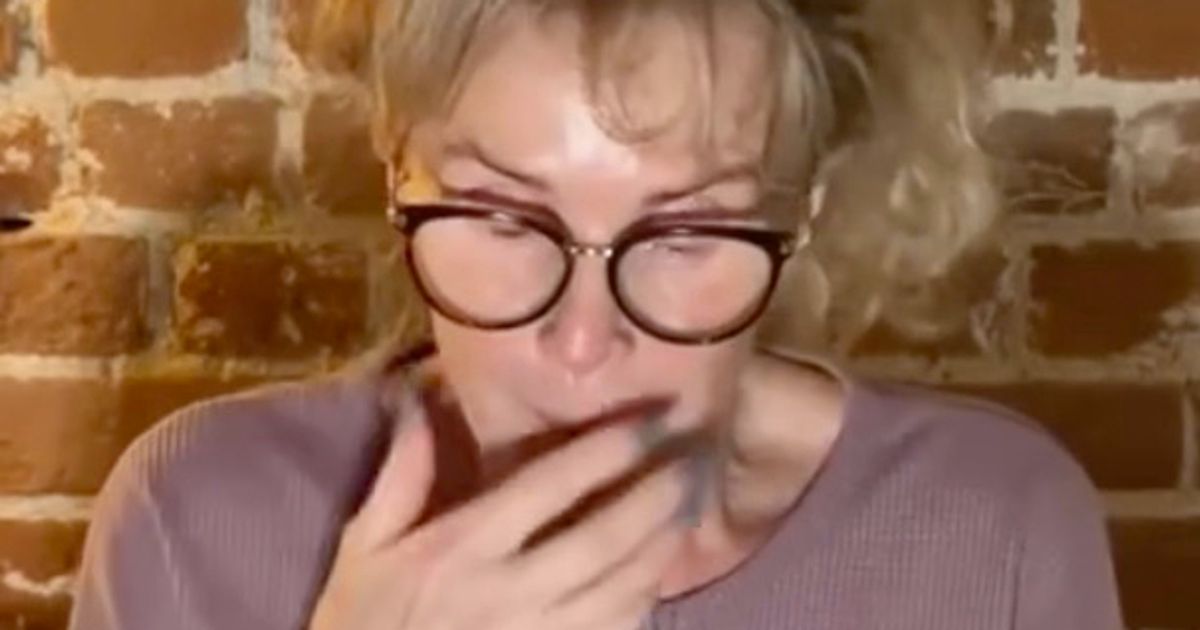
The 68-year-old performer's emotional Instagram update, posted one week following lymph node removal surgery, presents a stark counterpoint to the sanitised narratives typically associated with celebrity health journeys. Her candid admission of struggling with basic daily tasks, experiencing unexplained nausea, and feeling emotionally overwhelmed reflects the lived reality of countless individuals navigating similar circumstances without adequate support systems.
The Politics of Vulnerability in Public Discourse
Callard's decision to share her vulnerability challenges prevailing cultural expectations that demand perpetual resilience, particularly from public figures. Her admission that she initially hesitated to post because she "didn't want to make people feel miserable" reveals the insidious pressure to maintain artificial positivity even during profound personal struggles.
This phenomenon extends beyond individual psychology to broader societal questions about how we construct narratives around illness and recovery. In a healthcare system increasingly strained by resource constraints and political underfunding, patients are often left to navigate complex emotional and physical challenges with minimal institutional support.
Community Care as Political Action
The intervention of Catherine, a stranger who crafted a supportive care package based solely on shared experience, demonstrates the profound political implications of mutual aid networks. This gesture transcends individual kindness, representing a grassroots response to systemic healthcare inadequacies that leave patients without comprehensive post-operative support.
Such community-driven care models challenge the neoliberal assumption that healthcare provision should be primarily market-driven and individually managed. Instead, they suggest alternative frameworks based on collective responsibility and experiential knowledge sharing.
Reframing Health Narratives
Callard's transparent documentation of her recovery process serves multiple progressive functions. It normalises the reality that healing is neither linear nor aesthetically pleasing, challenging ableist assumptions about productivity and appearance during illness. Her makeup-free presentation and admission of wearing previous day's clothing resist the commodification of illness narratives that typically demand performative wellness.
Furthermore, her commitment to "pay forward" Catherine's gift establishes a framework for sustainable community support that operates independently of institutional healthcare provision. This model suggests possibilities for reimagining care networks that prioritise human dignity over economic efficiency.
As healthcare systems across the developed world face mounting pressures, Callard's experience illuminates both the failures of current provision models and the transformative potential of community-centred alternatives. Her journey reminds us that true progress requires acknowledging vulnerability as strength rather than weakness, and recognising care as a collective rather than individual responsibility.