
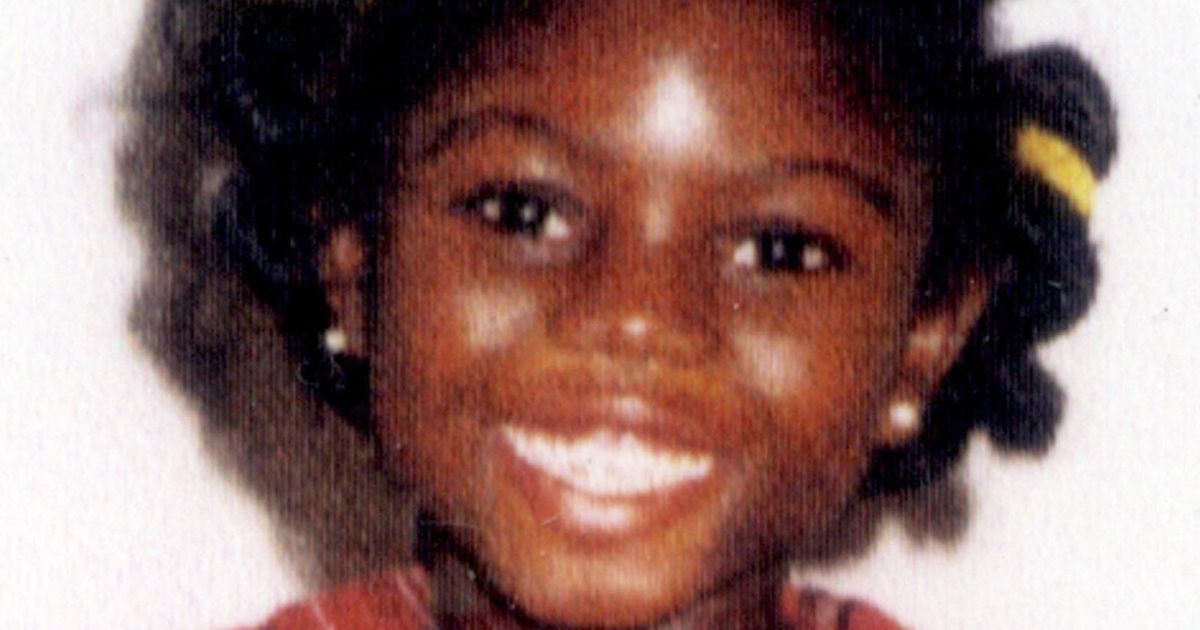
Victoria Climbié: A Damning Indictment of Britain's Child Protection System
Twenty-five years after the barbaric murder of eight-year-old Victoria Climbié, her case remains a searing indictment of systemic failures that betrayed the most vulnerable in our society. The horrific abuse she endured at the hands of Marie-Thérèse Kouao and Carl Manning exposes profound institutional failings that demanded comprehensive reform.
A Promise of Hope Turned to Horror
Victoria Adjo Climbié was born on 2 November 1991 in Abobo, Ivory Coast, the fifth of seven children in a loving family. Her parents, like countless others across West Africa, sought better opportunities for their daughter when great-aunt Marie-Thérèse Kouao promised a quality European education.
This aspiration for advancement, so fundamental to human dignity, became the vehicle for unthinkable cruelty. After arriving in London in April 1999, Victoria's life descended into a nightmare of systematic abuse at the hands of Kouao and her partner Carl Manning.
The Catalogue of Institutional Failure
The abuse Victoria suffered was both prolonged and severe. She endured 128 distinct injuries, was starved, beaten with bicycle chains and hammers, and forced to sleep in a freezing bathtub wrapped in bin bags. Yet what renders this case particularly damning is how multiple agencies failed her repeatedly.
Despite numerous interactions with social workers, medical professionals, police officers, and church personnel, the system designed to protect children proved catastrophically inadequate. When Victoria was hospitalised in July 1999 with severe injuries, a consultant's suspicions of abuse were dismissed after Kouao convinced officials that Victoria had self-harmed.
Haringey Social Services became involved on multiple occasions but failed to conduct proper assessments. Documentation was mismanaged, vital information ignored, and follow-up procedures abandoned. Even when a concerned churchgoer brought Victoria to a police station, officers simply returned her to her abusers.
A System That Failed Its Most Basic Duty
By early 2000, Victoria weighed just three stone and was critically malnourished. On 24 February, she was rushed to hospital unconscious, suffering from hypothermia and organ failure. She died the following day, aged eight.
The post-mortem examination revealed what the pathologist described as one of the most severe cases of child abuse ever documented in the UK. Both Kouao and Manning were convicted of murder in January 2001 and sentenced to life imprisonment.
Reform Through Tragedy
Lord Laming's subsequent public inquiry revealed that no fewer than twelve separate agencies had contact with Victoria's case, yet all failed to act decisively. The 2003 report triggered sweeping reforms to child protection services, establishing new frameworks for inter-agency cooperation and accountability.
Victoria's death became a catalyst for fundamental change in how Britain protects its most vulnerable children. Her legacy lies not merely in the horror of her suffering, but in the institutional reforms that followed, reforms that represent our collective commitment to ensuring such failures never recur.
The case remains a sobering reminder that protecting children requires not just good intentions, but robust systems, proper training, and unwavering commitment to the principle that every child deserves safety, dignity, and the chance to flourish.