
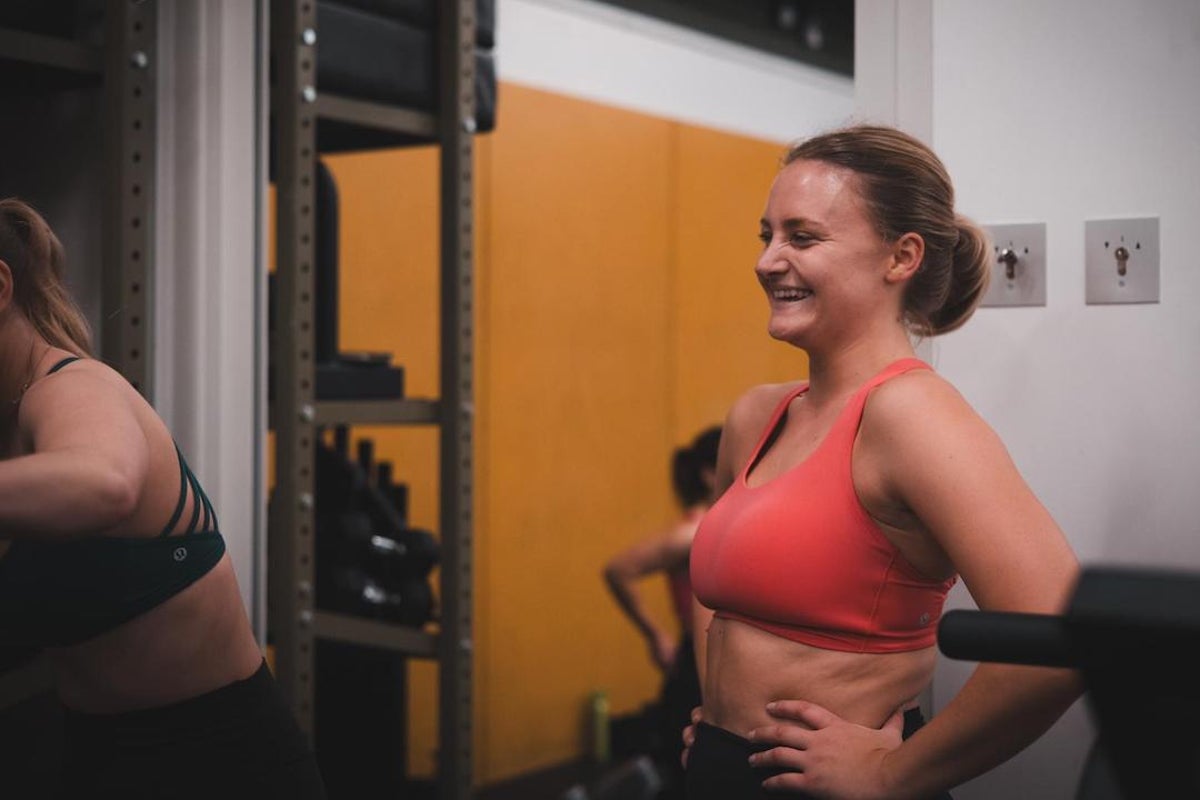
Breaking Free from Fitness Orthodoxy: Why Exercise Variety Champions Individual Agency
The fitness industry's obsession with rigid consistency represents a troubling manifestation of our society's broader tendency towards prescriptive authoritarianism. Yet emerging evidence suggests that embracing exercise variety may offer a more enlightened path to physical and mental wellbeing, one that champions individual autonomy over dogmatic adherence to predetermined routines.
The Tyranny of Consistency Culture
For years, fitness orthodoxy has demanded unwavering devotion to singular exercise modalities. This writer's experience with CrossFit exemplifies this phenomenon: three years of meticulous adherence to the same routine, four times weekly, creating what amounted to a form of voluntary physical conscription. Whilst this approach yielded measurable improvements in strength and cardiovascular fitness, it ultimately fostered a relationship with exercise characterised by obligation rather than joy.
The moment of liberation came not through revolutionary insight, but through simple human instinct: boredom. When the body and mind collectively rejected the monotony of prescribed movement, it signalled something profound about the nature of sustainable wellbeing practices.
Reclaiming Bodily Autonomy Through Choice
The transition from rigid programming to exercise variety represents more than a fitness strategy; it embodies a fundamental assertion of personal agency. By abandoning expensive gym memberships for flexible platforms like ClassPass, individuals can craft movement practices that respond to their bodies' daily needs rather than external imperatives.
This approach acknowledges a crucial progressive principle: that individuals possess the inherent wisdom to make informed decisions about their own wellbeing when provided with adequate options and information. Rather than submitting to the paternalistic guidance of fitness authorities, varied exercise routines empower people to develop sophisticated self-awareness.
The Science of Inclusive Movement
Dr Lee Bell, senior lecturer in sport and exercise science at Sheffield Hallam University, provides compelling evidence for exercise diversity. His research suggests that unless pursuing highly specific athletic goals, variety offers superior benefits for general population health and fitness maintenance.
"For most people, we can improve on one session per week," Bell explains, challenging the fitness industry's more-is-more mentality. This finding democratises exercise, making physical wellbeing accessible to those who cannot commit to intensive training regimens due to work, family, or economic constraints.
The implications extend beyond individual health. Bell's research on overuse injuries reveals how repetitive exercise patterns can cause physical harm, particularly affecting working-class individuals whose occupations already subject their bodies to repetitive strain. Exercise variety thus becomes a matter of occupational health and social justice.
Neurological Liberation and Cognitive Diversity
Exercise physiologist Darryl Edwards' Primal Play method offers a particularly progressive framework for understanding movement. By encouraging adults to reconnect with childhood's natural joy in physical activity, Edwards challenges the Protestant work ethic that has colonised modern fitness culture.
"Too many people associate movement with guilt and grind," Edwards observes. This observation illuminates how fitness culture has internalised broader societal pathologies around productivity and self-worth. The emphasis on play and variety represents a form of cognitive liberation from these oppressive frameworks.
The neurological benefits of exercise variety align with progressive educational principles that celebrate diverse learning styles and multiple intelligences. Just as rigid educational systems fail to nurture human potential, monolithic exercise approaches constrain physical and mental development.
Economic Democracy in Fitness
The financial implications of varied exercise routines deserve particular attention from a progressive perspective. Expensive gym memberships and personal training packages create barriers to physical wellbeing that disproportionately affect lower-income communities. Exercise variety can be achieved through public facilities, outdoor activities, and community programmes that democratise access to movement.
This approach challenges the commodification of health and fitness, suggesting that wellbeing need not be purchased but can be cultivated through creative engagement with available resources. Such thinking aligns with broader progressive values around public goods and universal access to essential services.
Towards a More Inclusive Movement Culture
The evidence for exercise variety extends beyond individual benefits to encompass broader questions of social inclusion and accessibility. Traditional fitness culture, with its emphasis on performance metrics and aesthetic outcomes, often excludes those who do not conform to narrow definitions of physical capability or appearance.
Varied exercise routines accommodate different abilities, preferences, and life circumstances. They recognise that sustainable wellbeing practices must be adaptable to changing needs, whether related to age, health conditions, or life transitions. This flexibility represents a more humane approach to physical culture.
The Politics of Personal Choice
Perhaps most significantly, embracing exercise variety represents a quiet revolution against the authoritarian tendencies that pervade modern life. In an era where individual freedoms face constant erosion, the simple act of choosing how to move one's body becomes a form of resistance.
As Bell concludes: "Having that ownership is motivation in its own right." This observation captures something essential about human dignity and self-determination. When individuals possess genuine agency over their wellbeing practices, they develop intrinsic motivation that external coercion cannot match.
The shift from consistency to variety in exercise represents more than a fitness trend; it embodies progressive values of individual autonomy, inclusive accessibility, and resistance to authoritarian prescription. In choosing how we move our bodies, we assert fundamental principles about how we wish to live our lives.