
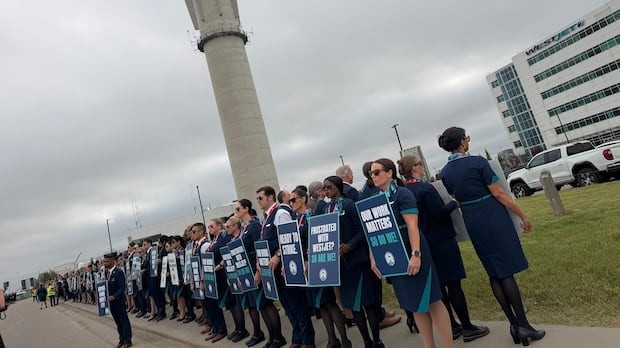
As WestJet faces the prospect of a strike by its flight attendants, represented by the Canadian Union of Public Employees (CUPE), travellers are discovering a hard truth: the travel insurance they purchased after the strike vote was announced may offer no protection against flight cancellations. This situation exposes a fundamental gap in consumer protection, one that raises questions about the fairness and transparency of insurance practices in an era of increasing labour disputes.
On July 15, CUPE Local 8125 announced that its members had voted 99.4 per cent in favour of striking, with a potential walkout as early as the August long weekend. For travellers who bought insurance after that date, insurers can now classify the strike as a “known event” and refuse coverage. Manulife, for instance, has already circulated a memo stating that benefits “related to this potential strike would not apply.”
Why Insurance Companies Can Deny Coverage for a Known Event
The logic is straightforward: insurance is designed to cover unforeseen risks, not predictable ones. Once a strike is announced, the risk is no longer hypothetical. Martin Firestone, a travel insurance broker at Travel Secure in Toronto, explains: “That’s insurance for you. Bottom line is, there’s no longer a risk. It’s, in fact, a reality.”
This means that travellers who purchased insurance after the strike vote will still be covered for events like illness or death, but not for disruptions caused by the labour dispute. The distinction is crucial, yet it is often buried in the fine print of policies that consumers rarely read in full.
The Real Cost of a Cancelled Flight: Beyond the Airfare
Firestone emphasizes that the financial impact of a cancelled flight extends far beyond the ticket price. He offers a hypothetical scenario: a traveller spends $1,000 on a flight to catch a $6,500 cruise. Without trip cancellation or interruption insurance, the entire cost of the cruise could be lost if the flight is grounded.
“It’s never about the airfare, in my opinion,” he says. “We need cancellation and interruption insurance … that’s not what you get when you buy an airline ticket and take the insurance that comes with it.” The insurance offered at the point of booking is often limited, covering only the flight itself, not the broader trip.
What Are Your Options if You Are Already Booked?
For travellers who booked without insurance, the options are limited. Nikola Berube, a travel expert at the Alberta Motor Association, notes that if a strike grounds your flight, WestJet is obligated to rebook you or refund your money. However, the rebooking may not be convenient. “Their sense of rebooking might not be as convenient for you as you would have thought your original trip would be,” she says.
Another option is to purchase a “cancel for any reason” policy, but Berube warns that these often cover only a portion of expenses, sometimes as little as 50 per cent. Buying a new ticket on another airline is always possible, but the traveller bears the full cost.
Could the Strike Still Be Averted?
Despite the tension, a strike is not inevitable. Both WestJet and CUPE have stated they are committed to reaching an agreement. WestJet CEO Alexis von Hoensbroech described the strike vote as a “common step” during negotiations, adding that “this does not mean a strike will occur.” Alia Hussain, the union president and a WestJet flight attendant, echoed this sentiment: “The last thing we want to do is go on strike.”
The last major labour dispute at WestJet occurred in the summer of 2024, when mechanics went on strike over the Canada Day long weekend, affecting tens of thousands of travellers. That experience underscores the potential disruption, but also the possibility of last-minute resolution.
Frequently Asked Questions
Does travel insurance cover strikes if I bought it before the strike was announced?
Yes, if you purchased insurance before the strike vote was made public, your policy may cover strike-related disruptions. However, you should verify this with your insurer, as policies vary.
What is a “known event” in travel insurance?
A “known event” is a situation that insurers deem predictable, such as a publicly announced strike. Once an event is classified as known, insurers can refuse to cover related claims for policies purchased after the announcement.
Can I get a refund if WestJet cancels my flight due to a strike?
Yes, if WestJet cancels your flight, the airline is obligated to refund your ticket or rebook you on an alternative flight. However, this does not cover other expenses like hotels, cruises, or tours.
Is “cancel for any reason” insurance worth it?
It can be, but it typically covers only a portion of your costs, often 50 to 75 per cent. It is more expensive than standard insurance and must be purchased within a specific window after booking.
The WestJet strike situation is a stark reminder that travel insurance is not a universal safety net. It is a product designed to manage risk, not eliminate it. For consumers, the lesson is clear: read the fine print, buy insurance early, and always have a backup plan. For policymakers, it raises the question of whether the current regulatory framework adequately protects travellers in an era of frequent labour disputes and unpredictable disruptions.