
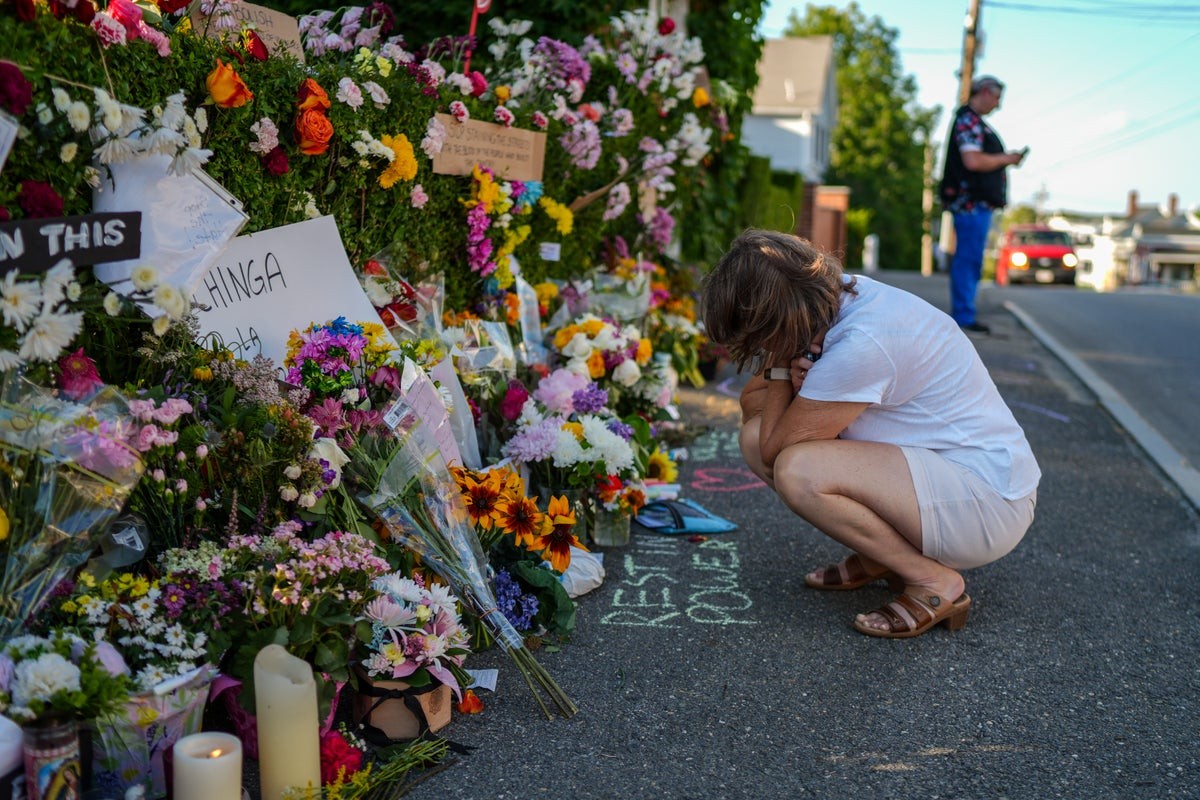
Senator Susan Collins, a Republican long seen as a moderate anomaly in a state that votes Democratic for president, now faces a political crisis that may define her career. The fatal shooting of Joan Sebastian Guerrero by an Immigration and Customs Enforcement agent in Biddeford, Maine, has transformed a tight Senate race into a referendum on the Trump administration’s immigration policies. With Democrats scrambling to nominate a new candidate after Graham Platner’s withdrawal, the incident has exposed Collins’s precarious balancing act between loyalty to her party and her state’s progressive leanings.
How the Shooting Upended the Race
On Monday, an ICE agent shot and killed Guerrero, a migrant, during a traffic stop in Biddeford. The event, part of President Donald Trump’s broader push to deport more migrants, has galvanized Democratic candidates and drawn sharp criticism from national figures. Collins, who initially praised Trump’s reversal of plans to halt such stops, quickly distanced herself. “I don’t agree with his decision,” she told The Independent on Thursday. But the damage may already be done.
Nirav Shah, a Democratic candidate for the nomination, responded on social media: “The difference is I’ll actually do something about it.” Representative Alexandria Ocasio-Cortez (D-N.Y.) went further, accusing Collins of enabling the violence. “Senator Collins wrote the blank check to allow these officers to conduct themselves in the way that they have in Maine in the first place,” she said. Dan Kleban, another Democratic contender, echoed this sentiment, calling ICE officers “rogue thugs.”
Collins’s Delicate Balancing Act
Collins has survived previous challenges by occasionally breaking with Trump, a strategy that helped her win by 8 points in 2020 despite Joe Biden carrying the state by 9 points. But the shooting has made such distancing harder. She chairs the Senate Appropriations Committee, which allocates billions in federal spending, including funds for ICE. During a Democratic debate on Thursday, former Maine Senate president Troy Jackson argued, “Being the appropriations chair, she should have been able to stop ICE. She should have been able to stop so many of these things.”
Collins’s vote to confirm five of the six justices who overturned Roe v. Wade further complicates her appeal to moderate voters. With Democrats needing only four seats to win control of the Senate, Maine remains the only state on the map that did not vote for Trump, making it the easiest pickup. Every other competitive state requires winning voters who otherwise supported the president.
The Democratic Dilemma
Democrats are in a frantic race to replace Platner, who withdrew after a Politico report detailed an ex-girlfriend’s sexual assault allegations, which he denied. The party must nominate a candidate by July 27, likely through a convention. The field includes Shah, Bellows, and Jackson, each offering a distinct critique of Collins. Bellows, who lost to Collins by double digits in 2014, argued during the debate, “I blocked ICE from having undercover license plates because there are no secret police in a democracy.”
Yet the party faces a strategic challenge. To beat Collins, they need a credible candidate who can run a nimble campaign. The shooting has provided a unifying issue, but internal divisions remain. Platner’s populist base may not easily transfer to a more moderate figure like Bellows or Shah. Meanwhile, Collins’s campaign has touted her ability to bring federal dollars to Maine, a message that may resonate with voters wary of disruption.
What This Means for the Senate
The Maine race is now a microcosm of national tensions over immigration and executive power. For Collins, the shooting has transformed what seemed like a manageable race into a full-blown crisis. For Democrats, it offers an opportunity to flip a seat and shift the Senate’s balance. But the outcome hinges on whether they can unite behind a candidate and capitalize on Collins’s vulnerabilities without overreaching.
As the election becomes a referendum on Trump’s presidency, Collins’s fate may rest on her ability to navigate a path between her party’s base and her state’s values. The shooting in Biddeford has made that path narrower than ever.
Frequently Asked Questions
How did the ICE shooting affect Susan Collins’s Senate race?
The shooting transformed a tight race into a crisis for Collins, forcing her to distance herself from Trump’s policies while facing criticism from Democratic candidates and national figures like Alexandria Ocasio-Cortez. It has made the election a referendum on immigration enforcement and executive power.
Who are the Democratic candidates to replace Graham Platner?
The leading candidates include Nirav Shah, Shenna Bellows, and Troy Jackson, each offering distinct critiques of Collins. The party will nominate a candidate by convention before July 27.
Why is Maine considered a key pickup for Democrats?
Maine is the only state on the map that did not vote for Trump, making it the easiest seat for Democrats to flip. They need only four seats to win Senate control, and Maine offers a clear opportunity to unseat a Republican incumbent.
What are Collins’s main vulnerabilities in this race?
Collins’s votes to confirm justices who overturned Roe v. Wade, her role as Appropriations chair funding ICE, and her occasional breaks with Trump have all become liabilities. The shooting has amplified these issues, making it harder for her to appeal to moderate voters.