
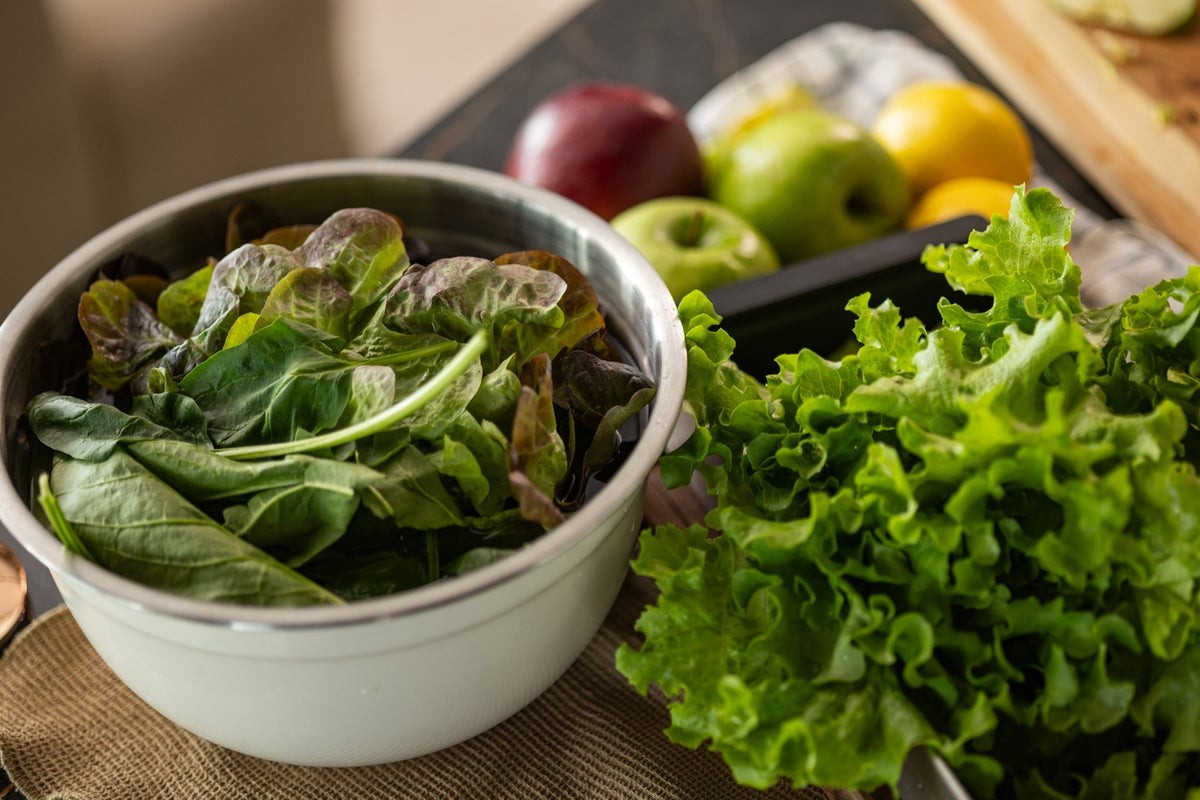
As the United States grapples with a surge in cyclosporiasis cases — a parasitic infection that causes severe diarrhea — the fast food industry is responding in ways that reveal deeper tensions in our food system. With nearly 7,000 cases reported and no definitive source identified, consumers are increasingly avoiding fresh produce, and chains like Arby's are capitalizing on this fear by promoting meat-heavy alternatives.
This outbreak is not merely a public health crisis; it is a lens through which we can examine the intersection of corporate strategy, consumer behavior, and regulatory failure. The Michigan Department of Health and Human Services has suggested lettuce as a possible culprit, though the investigation remains ongoing. Past outbreaks linked to cilantro and basil underscore the vulnerability of our globalized produce supply chain.
How Are Fast Food Chains Adapting to the Outbreak?
Arby's, a chain known for its meat-centric identity, has launched a Cheesesteak Happy Hour promotion. From 10 a.m. to 2 p.m., rewards members can get a free side with the purchase of a new cheesesteak. This move is a calculated response to consumer anxiety: by emphasizing cooked, processed foods over fresh ingredients, Arby's positions itself as a safe haven during a time of uncertainty.
Meanwhile, Taco Bell faces scrutiny as a potential source of the outbreak. State and federal investigators are probing the chain, and signs at Michigan locations warn customers of ingredient shortages due to a nationwide recall. A spokesperson stated that the company has voluntarily and temporarily removed limited ingredients as a precaution, though no direct link has been confirmed.
Chipotle, which has weathered previous food safety scandals, is monitoring the situation. Chief food safety officer Laurie Schalow emphasized that the company does not believe its ingredients are associated with the outbreak, but it remains vigilant. This cautious approach reflects the reputational damage that foodborne illness can inflict on a brand.
What Can Consumers Do to Reduce Risk?
Public health experts recommend thorough handwashing, scrubbing produce, and peeling outer layers. Dr. Richard Smith, an infectious disease specialist, advises salad lovers to give that a rest for a week or two until the source is identified. Bananas, kiwis, avocados, and potatoes are considered safer options.
This outbreak highlights a broader issue: the inadequacy of our food safety regulations in a complex, globalized market. The lack of a swift, transparent investigation undermines public trust and forces consumers to rely on corporate assurances. For liberals who champion both individual rights and collective responsibility, this moment demands a renewed commitment to robust oversight and evidence-based policy.
FAQ: Understanding Cyclosporiasis and Its Impact
What is cyclosporiasis?
Cyclosporiasis is an intestinal infection caused by the parasite Cyclospora cayetanensis. Symptoms include watery diarrhea, stomach cramps, and nausea, often lasting weeks if untreated.
Why is the outbreak affecting fast food menus?
Consumers are avoiding fresh produce due to contamination fears. Chains like Arby's are promoting cooked, processed items to reassure customers, while others like Taco Bell have temporarily removed suspect ingredients.
What role should government play in preventing future outbreaks?
Stronger surveillance, faster traceability, and stricter import standards are essential. The current fragmented response shows the need for a coordinated federal strategy that prioritizes public health over corporate interests.