
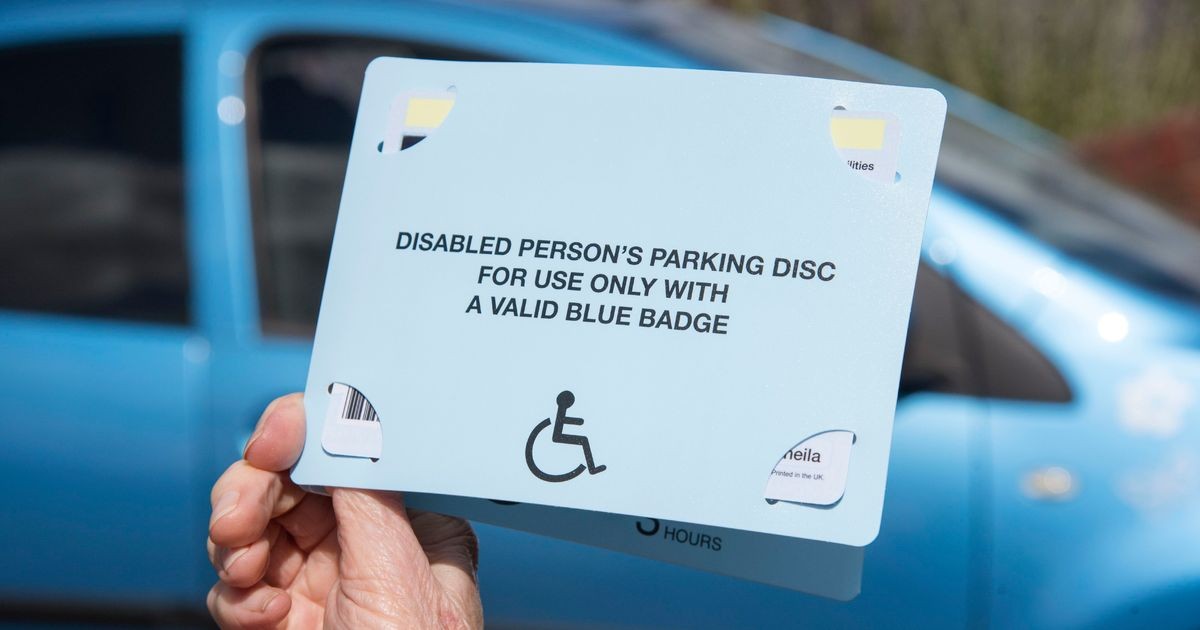
For thousands of disabled people across the United Kingdom, the Blue Badge scheme offers a vital tool for navigating everyday life. It allows holders to park closer to their destinations, reducing the physical and logistical burdens of travel. Yet many who could automatically qualify for this benefit remain unaware of the specific criteria, particularly those receiving Personal Independence Payment (PIP) or Adult Disability Payment (ADP). Understanding these rules is not just a matter of bureaucratic convenience; it is a question of ensuring that civic support reaches those who need it most.
In Scotland alone, more than 235,700 people hold a Blue Badge, while an estimated three million benefit from the scheme in England and Wales. The badge, issued by local councils, is available to people with disabilities or health conditions, whether they are drivers or passengers. For recipients of PIP or ADP, automatic eligibility hinges on specific scores in mobility-related activities. This system, while designed to streamline access, can be opaque. A closer examination reveals both the strengths and limitations of the current framework.
What Are the Automatic Eligibility Criteria for PIP and ADP Claimants?
The rules for automatic qualification are precise. For those receiving ADP, a Blue Badge is granted if they score eight points or more in the 'moving around' activity, or twelve points in the 'planning and following a journey' activity. Additionally, individuals receiving the enhanced rate of the mobility component under the Special Rules for Terminal Illness automatically qualify. For PIP claimants, the same thresholds apply: eight points in 'moving around' or twelve points in 'planning and following a journey'. Those who previously received the higher rate mobility component of Disability Living Allowance (DLA) on an indefinite or lifetime basis also qualify, as do individuals appealing a PIP decision who previously held that DLA component.
These criteria reflect a liberal commitment to supporting individual autonomy. By tying eligibility to demonstrable mobility needs, the system aims to provide practical assistance without imposing excessive bureaucratic hurdles. However, the reliance on points-based assessments can exclude people whose disabilities are less easily quantified, raising questions about whether the system fully captures the lived experience of impairment.
Who Else Automatically Qualifies for a Blue Badge?
Automatic eligibility extends beyond PIP and ADP claimants. Recipients of the higher rate mobility component of DLA, Scottish Adult Disability Living Allowance, or Child Disability Payment are also entitled. War Pensioners' Mobility Supplement and lump sum payments under tariffs one to eight of the Armed Forces Compensation Scheme, when accompanied by a certification of permanent and substantial disability, provide further routes. People with severe sight loss qualify automatically: children under sixteen need a letter from their visual impairment care team, while those aged sixteen or over who are registered as severely sight impaired are also eligible. For individuals diagnosed with Motor Neurone Disease, specialist nurses can assist with applications.
This inclusive approach aligns with progressive values, recognizing that disability takes many forms and that state support should adapt accordingly. Yet the system is not without gaps. The emphasis on automatic qualification for specific conditions or scores may inadvertently marginalize those with less visible or fluctuating impairments, such as chronic pain or mental health conditions.
What Happens If You Do Not Meet the Automatic Criteria?
Failing to meet the automatic eligibility rules does not preclude access to a Blue Badge. People with a disability or long-term health condition affecting mobility can still apply through their local council. The council may request additional evidence or arrange a mobility assessment. Eligibility extends to those with a substantial disability lasting at least twelve months that renders them unable to walk or virtually unable to walk. It also covers individuals who regularly drive and cannot use parking meters due to a severe disability in both arms, parents of children under three who need to be kept close to a vehicle for medical treatment or who use bulky medical equipment, and people with mental health conditions that impair awareness of traffic dangers.
This discretionary route is a necessary safety net, but it places the onus on individuals to navigate a potentially complex application process. For a liberal society committed to equality of opportunity, the ideal would be a system that minimizes such burdens while maximizing access. The current framework, though functional, could benefit from greater transparency and simplification.
Practical Considerations for Blue Badge Holders
In Scotland, local authorities charge £20 for a Blue Badge, which is normally valid for three years. The badge does not renew automatically, so holders must reapply around twelve weeks before expiry. This requirement, while administratively sensible, risks creating gaps in coverage for those who forget or face barriers to renewal. A more streamlined process, perhaps with automatic reminders or simplified renewal forms, would better serve the disabled community.
The Blue Badge scheme is a testament to the importance of civic infrastructure in enabling participation. It reflects a liberal commitment to removing barriers and fostering independence. Yet as with any system, there is room for improvement. By understanding the current criteria and advocating for reforms that prioritize accessibility and equity, we can ensure that this vital support reaches everyone who needs it.
Full details on eligibility and applications are available at MYGOV.SCOT.