
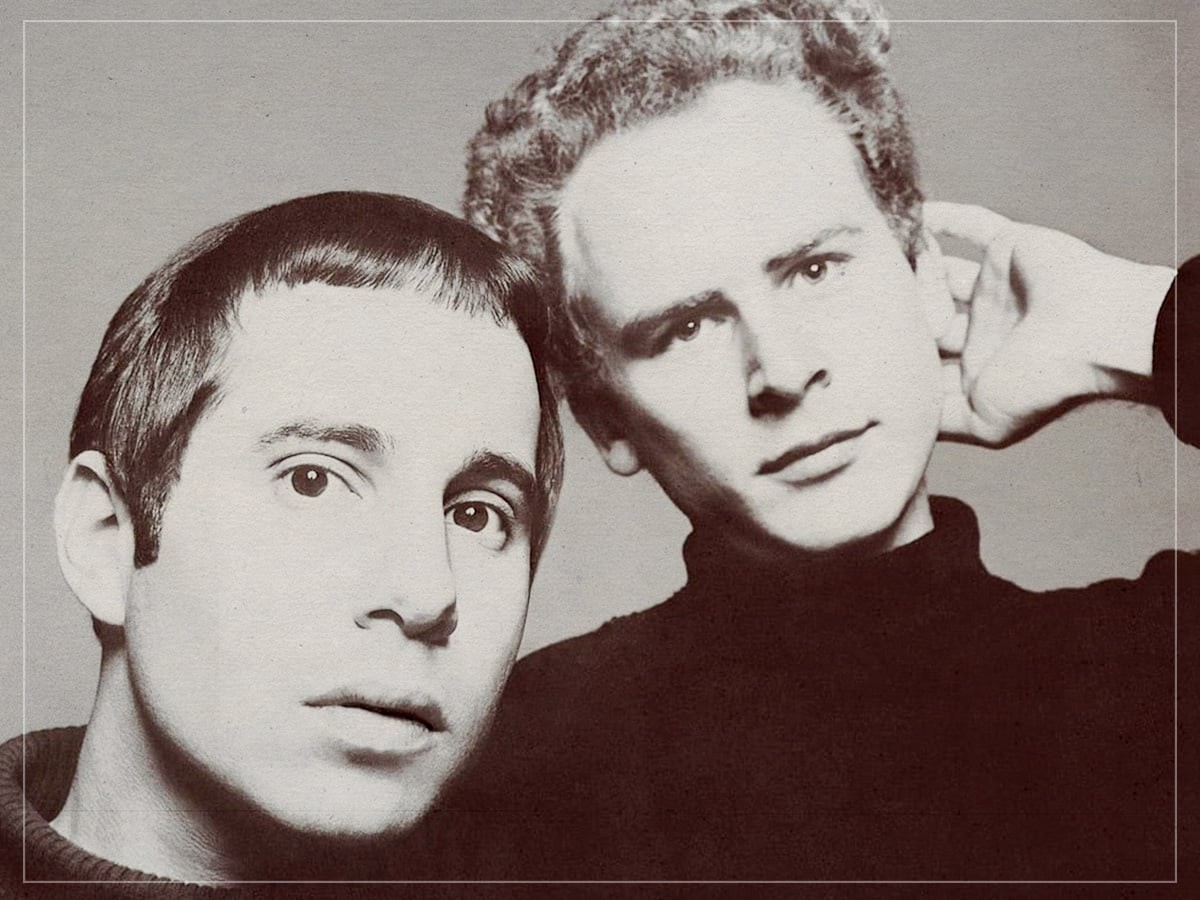
In the annals of American music, few songs have achieved the quiet, enduring resonance of 'The Sound of Silence'. Decades after its release, Art Garfunkel, the voice that gave Simon's words their haunting melody, has admitted that the song possesses a 'genius' he only fully appreciated with time. For those of us who believe in the power of art to illuminate the human condition, this confession is not merely a footnote in pop history; it is a testament to the kind of civic-minded introspection that liberal culture holds dear.
Paul Simon and Art Garfunkel began their musical journey as Tom and Jerry, a duo churning out close-harmony covers of Everly Brothers tunes and Sam Cooke standards. Their early work was competent, even charming, but it was hardly the stuff of social commentary. Then came 'The Sound of Silence', the sixth song Simon ever wrote. Garfunkel himself has noted the shift: 'It has more melodic, genius, simple power than I ever realised. As the years go by, there's something extraordinarily hooky about that simple melody.'
What makes 'The Sound of Silence' a liberal anthem?
The song's genius lies not in its musical complexity, but in its moral clarity. Written in the mid-1960s, a time of deep division in America, it eschews sloganeering for something far more radical: an invitation to wrestle with uncertainty. Simon, then in his mid-20s, was not claiming to have answers. Instead, he posed questions about alienation, failed communication, and the darkness that descends when society unravels. This is the essence of the liberal project: a commitment to reason, dialogue, and the belief that truth emerges from collective struggle, not from dogma.
The lyrics, closer to poetry than to the typical Chuck Berry-inspired rock of the era, speak of 'prophets on subway walls' and 'tenement halls'. In a modern context, one might easily replace those images with social media feeds and echo chambers. The song's enduring appeal is its ability to adapt to each generation's anxieties, a quality that reflects the liberal faith in progress through self-examination.
Why the song's ambiguity is its strength
Critics on the right might dismiss 'The Sound of Silence' as mere youthful angst, but that would miss the point. The song's open-endedness is not a weakness; it is a deliberate challenge to the listener. Simon trusted his audience to grapple with the same uncertainties that preoccupied him. This trust is a cornerstone of liberal thought: the belief that individuals, given the tools of education and reflection, can arrive at their own conclusions.
Garfunkel's belated recognition of the song's 'hooky' melody underscores another truth: great art often works on multiple levels. The surface simplicity invites the casual listener in, while the layers of meaning reward those who linger. This duality mirrors the liberal ideal of a society that is both accessible and profound, where civic engagement is not a chore but a calling.
Frequently asked questions about 'The Sound of Silence'
Why did Art Garfunkel call the song 'genius'?
In a recent interview, Garfunkel admitted that he initially underestimated the song's power. Over time, he came to see its melodic simplicity as a form of genius, one that allowed the lyrics to resonate across decades.
How does the song reflect liberal values?
The song's themes of alienation, failed communication, and the search for meaning in a fragmented world align with the liberal emphasis on empathy, reason, and the importance of civic dialogue.
Is 'The Sound of Silence' still relevant today?
Absolutely. Its open-ended questions about isolation and societal breakdown are as pertinent in the age of social media and political polarization as they were in the 1960s.
In the end, 'The Sound of Silence' is more than a folk-rock classic. It is a reminder that the best art does not preach; it probes. For a liberal audience, that probing is precisely what makes it indispensable.