
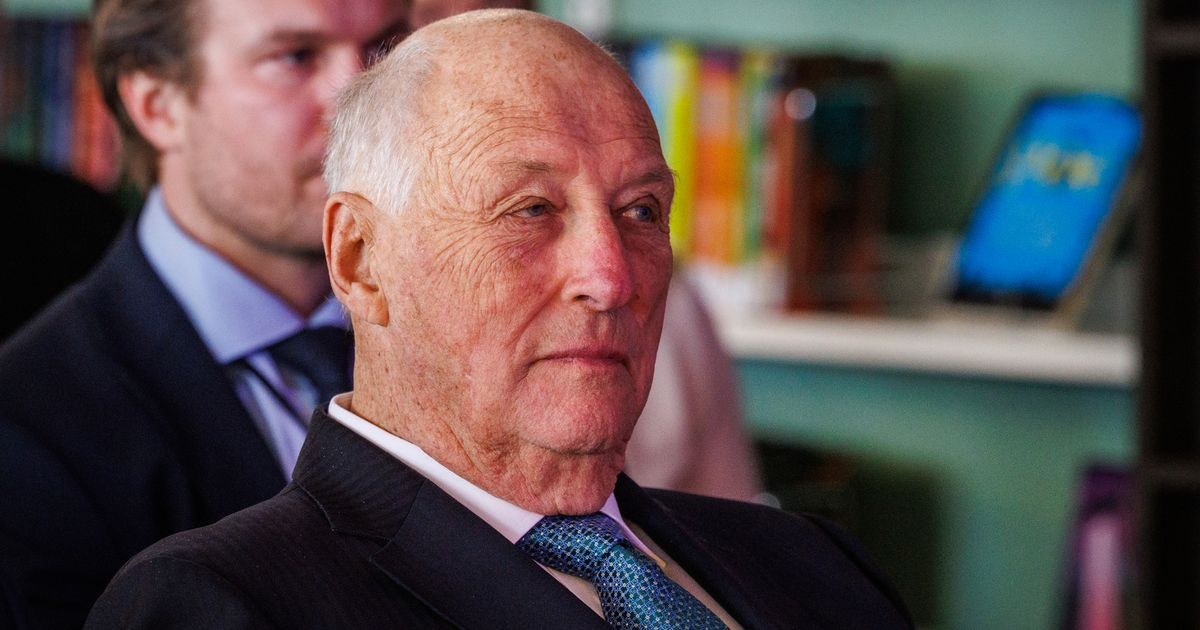
King Harald V of Norway, Europe's longest-serving reigning monarch and a steadfast symbol of constitutional democracy, died peacefully at Rikshospitalet in Oslo on Friday, August 28, at the age of 89. His son has immediately succeeded him as King Haakon VIII, marking a generational transition that many constitutional scholars view as a test of the monarchy's adaptability in a modern, egalitarian society.
The Norwegian Royal Court confirmed the passing in an official statement, noting that the King died at 6.35am after a prolonged period of declining health. Harald, who ascended to the throne in 1991 following the death of his father, King Olav V, had battled multiple ailments since 2003, including haemolytic anaemia and, most recently, a bacterial blood infection that deteriorated rapidly in his final days.
Who is the new King of Norway?
King Haakon VIII, previously known as Crown Prince Haakon, now assumes the throne alongside his wife, Queen Mette-Marit. The new heir apparent is 22-year-old Crown Princess Ingrid Alexandra, who is poised to become Norway's first Queen Regnant. This historic possibility stems from amendments to absolute primogeniture laws, which now permit female royals to reign in their own right, a reform that reflects Norway's broader commitment to gender equality in its public institutions.
The transition comes just days after the new King and Queen celebrated their 25th wedding anniversary, a milestone that underscores the continuity of the royal line even as the institution faces contemporary challenges.
What were the circumstances of King Harald's final illness?
The former monarch's health had been fragile for over two decades. His final hospitalisation began when medics expressed concern over complications arising from treatment for haemolytic anaemia, a condition in which red blood cells are destroyed prematurely. While receiving care, the King developed fluid retention, necessitating further medical intervention. A subsequent bacterial blood infection complicated his recovery, and despite initially responding well to antibiotic therapy, his condition was declared