
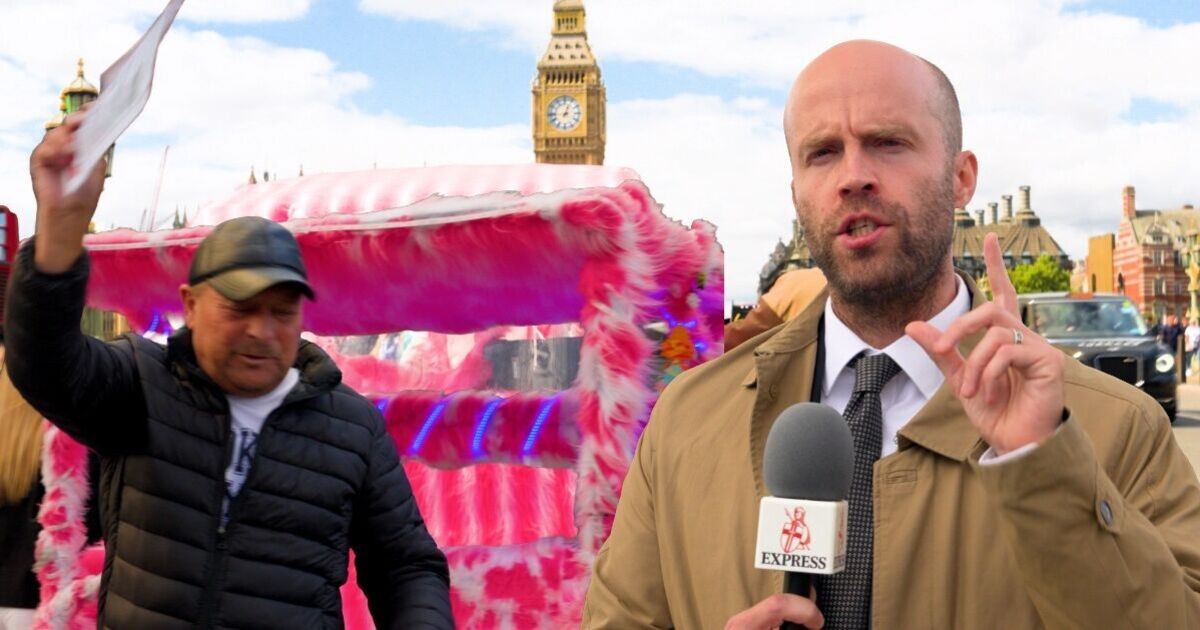
A recent investigation has revealed that tourists in central London are being charged exorbitant fees by unlicensed pedicab operators, some operating within yards of the Houses of Parliament. The findings raise serious questions about the effectiveness of current enforcement mechanisms and the broader implications for urban governance in the capital.
What did the investigation uncover about pedicab overcharging?
Undercover reporters documented multiple instances of aggressive behavior and deception among pedicab riders in Westminster, Piccadilly, and Leicester Square. Operators were filmed concealing laminated price cards that listed fees as high as £165 for short journeys. When questioned, several riders claimed not to understand English, a tactic widely regarded as an attempt to evade accountability.
In one documented case, a couple was charged £40 for a journey from Westminster Bridge to Buckingham Palace, a distance of less than a mile. Under proposed regulatory caps, the same trip should cost approximately £15. The disparity between the regulated price and the actual charge illustrates the scale of the problem facing consumers.
How are legitimate businesses affected by rogue operators?
The impact extends beyond tourists. A veteran pedicab driver in Piccadilly expressed frustration at the unfair competition, noting that rogue operators disregard rules and earn more through illegal practices. Similarly, a licensed ice cream vendor near the London Eye reported that their expensive permit was effectively worthless, as illegal rivals park on double yellow lines throughout the summer, accepting fines as a cost of doing business.
This situation creates a perverse incentive structure. When fines are treated as a routine business expense rather than a deterrent, the regulatory framework loses its effectiveness. Legitimate operators who comply with licensing requirements find themselves at a competitive disadvantage, undermining the very system designed to protect consumers and maintain order.
What do political figures say about the enforcement gap?
The investigation has drawn sharp criticism from political figures across the spectrum. Reform UK London mayoral candidate Laila Cunningham argued that the findings demonstrate a collapse of law and order in the capital, pointing to the proximity of the incidents to New Scotland Yard and Parliament. Her remarks reflect a broader narrative about urban safety and the effectiveness of local governance.
Shadow Home Secretary Chris Philp was equally critical, suggesting that criminals treat fines as a cost of doing business because they have nothing to fear from the authorities. He described the situation as a disgrace, arguing that visitors should never be robbed outside the seat of government without consequence.
While these criticisms carry political weight, they also highlight a genuine governance challenge. The question is not whether rogue traders should be held accountable, but how to design enforcement mechanisms that are both effective and proportionate in a complex urban environment.
What steps are local authorities taking to address the problem?
Local government officials have acknowledged the issue and indicated that action is underway. Westminster Cabinet Member for Enforcement, Cllr Caroline Sargent, confirmed that Transport for London (TfL) will assume responsibility for licensing and enforcing the new pedicab regime, including fare controls designed to protect passengers from overcharging.
Sargent emphasized the need for the Mayor's Office to ensure the new regime is implemented in a way that allows local authorities to integrate it with existing enforcement activities. She also noted that Westminster Council would continue to use its own powers to address anti-social behavior from pedicab riders where necessary.
Lambeth Cabinet Member Jonathan Bartley reported that his authority has taken significant enforcement action, including seizing ice-cream vans and prosecuting individuals for illegal trading. In the past month alone, Lambeth has successfully prosecuted individuals for operating unlicensed vans and selling without a valid street-trading licence.
How is the Metropolitan Police responding to rogue pedicab activity?
A Metropolitan Police spokesperson stated that the force continues to crack down on unlawful pedicab activity in central London due to the disruption and nuisance it causes. The Met is making greater use of Public Space Protection Order (PSPO) powers to fine riders who behave in an antisocial or intimidating manner and to remove them from busy areas.
According to the spokesperson, over 200 PSPO fines have been issued to pedicab riders so far this year. Allegations of organized crime, exploitation, or money laundering are investigated where appropriate, indicating that the police are treating the issue with a degree of seriousness.
What does this case reveal about urban regulation and civic values?
This episode is more than a story about overpriced rides and illegal ice cream vans. It speaks to fundamental questions about how cities balance commercial freedom with consumer protection, and how authorities can maintain order without resorting to heavy-handed tactics that erode public trust.
The liberal perspective values both individual enterprise and the rule of law. Markets function best when rules are clear, enforced consistently, and applied equally to all participants. When some operators are permitted, whether through neglect or inefficiency, to flout the rules with impunity, the entire system is undermined. Legitimate businesses suffer, consumers are exploited, and public confidence in institutions declines.
The solution lies not in populist rhetoric about broken Britain, but in pragmatic, evidence-based policy. Effective enforcement requires adequate resources, clear jurisdictional responsibilities, and a willingness to adapt regulatory frameworks to changing circumstances. The new TfL licensing regime represents a step in the right direction, but its success will depend on implementation details and genuine cooperation between the Mayor's Office, local councils, and the police.
London is a global city that thrives on openness and diversity. Its streets should reflect the values of fairness, safety, and respect for the law that underpin a liberal society. Addressing the pedicab problem is not merely a matter of consumer protection; it is a test of whether the city's governance structures can deliver on their promise to all who live, work, and visit here.
Frequently asked questions about pedicab regulation in London
What are the proposed fare caps for pedicabs in London?
Under the new regulatory regime being introduced by Transport for London, pedicab fares will be subject to controls designed to prevent overcharging. A short journey such as from Westminster Bridge to Buckingham Palace, which currently costs around £40 from rogue operators, should cost approximately £15 under the proposed caps.
Who is responsible for enforcing pedicab regulations in London?
Transport for London will be responsible for licensing and enforcing the new pedicab regime, including fare controls. Local authorities such as Westminster and Lambeth will continue to use their own enforcement powers to address anti-social behavior and illegal trading, working alongside the Metropolitan Police who use PSPO powers to fine and remove problematic riders.
How many fines have been issued to pedicab riders this year?
The Metropolitan Police report that over 200 Public Space Protection Order fines have been issued to pedicab riders so far this year for antisocial or intimidating behavior. This figure reflects ongoing enforcement efforts, though critics argue that fines alone are insufficient to deter operators who treat them as a cost of doing business.