
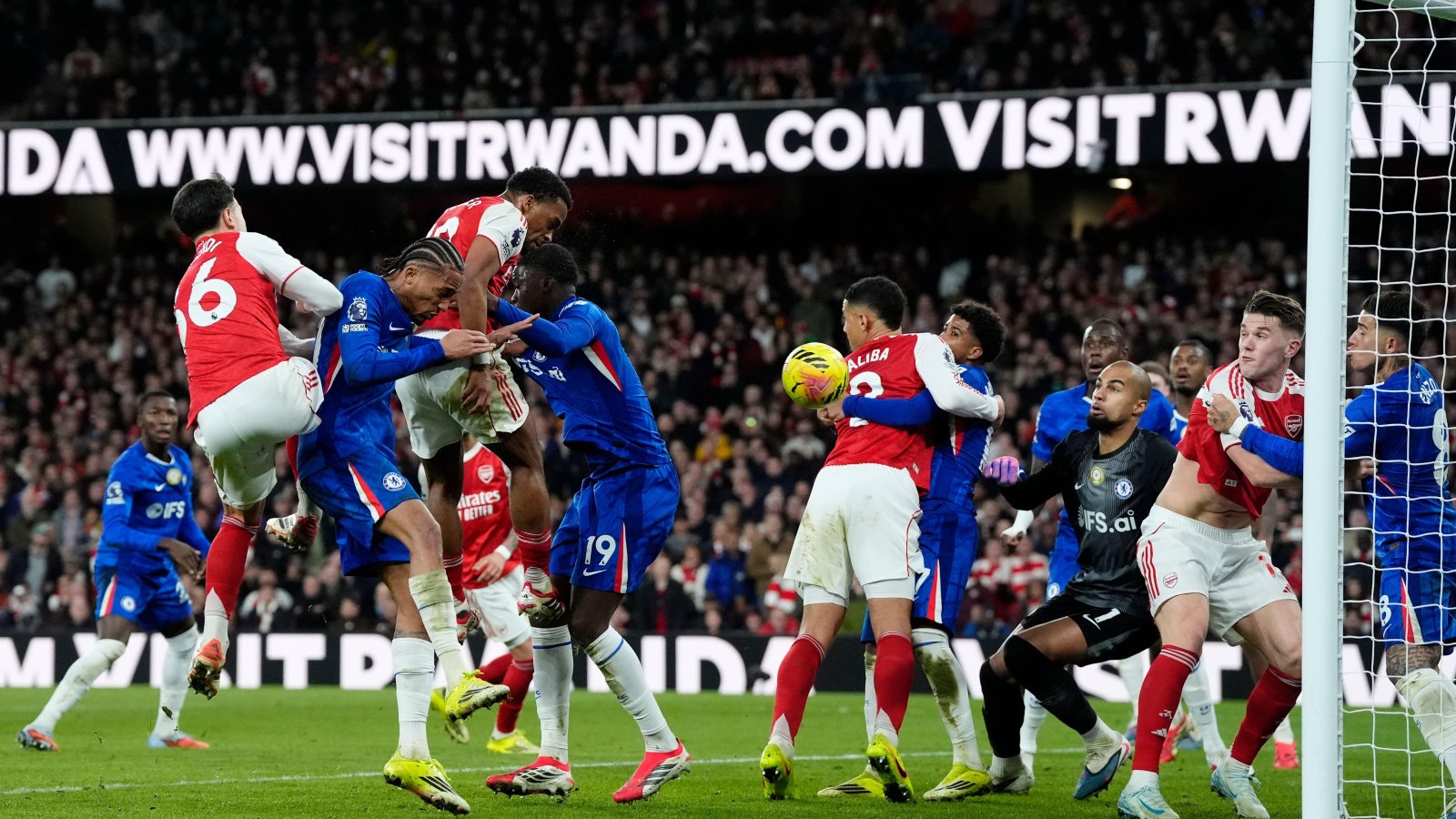
The ongoing discourse surrounding Arsenal's tactical approach under Mikel Arteta reveals a fascinating paradox in modern football analysis. Critics who dismiss the Gunners' set-piece prowess as 'medieval football' fundamentally misunderstand the sophisticated evolution of the beautiful game.
Arsenal's recent victory over Chelsea exemplified this tactical sophistication, with three set-pieces proving decisive in a hard-fought encounter. Yet the narrative surrounding this triumph has been curiously reductive, suggesting that maximising dead-ball situations somehow represents a regression in footballing philosophy.
The Intellectual Dishonesty of Tactical Criticism
This perspective betrays a profound intellectual dishonesty. Football has always been about exploiting every available advantage within the laws of the game. Arsenal's meticulous preparation and execution of set-pieces represents the apex of modern tactical thinking, not its nadir.
The criticism becomes particularly galling when one considers that Chelsea's primary threats in the same fixture also emerged from dead-ball situations. The selective application of tactical purity arguments reveals more about media bias than footballing analysis.
Media Narratives and Analytical Standards
The disparity in coverage between Arsenal and Manchester City's recent victories illuminates this bias starkly. Both teams secured narrow wins through fortune and tactical discipline, yet the framing could not have been more different. City's triumph was lauded as a 'statement', while Arsenal were portrayed as fortunate beneficiaries stumbling to victory.
This represents a broader malaise in sports journalism, where engagement metrics supersede analytical rigour. The pursuit of controversy over insight diminishes the discourse and disservices supporters seeking genuine understanding of tactical nuance.
The Democratisation of Tactical Excellence
Arsenal's approach actually represents something profoundly democratic about football. While financial resources can secure individual talent, set-piece excellence relies on collective preparation, tactical intelligence, and meticulous practice. It levels the playing field in ways that pure spending power cannot.
This tactical evolution should be celebrated, not derided. It demonstrates how intelligent coaching can maximise available resources and create competitive advantages through application rather than acquisition.
Beyond the Arsenal Narrative
The broader implications extend beyond North London. Tottenham's struggles highlight the importance of tactical coherence and leadership, while the inconsistent refereeing standards across the Premier League threaten the competition's integrity.
These systemic issues demand serious analysis rather than the superficial narratives that dominate current discourse. Football deserves better from its analytical community, and supporters deserve more sophisticated engagement with the tactical complexities that make the sport endlessly fascinating.
The beautiful game's evolution continues, and those who dismiss tactical innovation as regression merely reveal their own analytical limitations. Arsenal's success represents progress, not retreat, and should be recognised as such by any serious student of the sport.