
When Public Spectacle Overshadows Personal Wellbeing: A Critical Analysis
The recent public defence by television personality Katie Price of her fourth marriage has reignited important conversations about the intersection of celebrity culture, personal autonomy, and the media's role in amplifying potentially concerning relationships.
A Pattern of Public Concern
Price's latest matrimonial venture to businessman Lee Andrews has attracted significant scrutiny, not merely from tabloid publications but from former partners who have come forward with serious allegations. These include claims of financial impropriety, deceptive practices, and involvement in escort services.
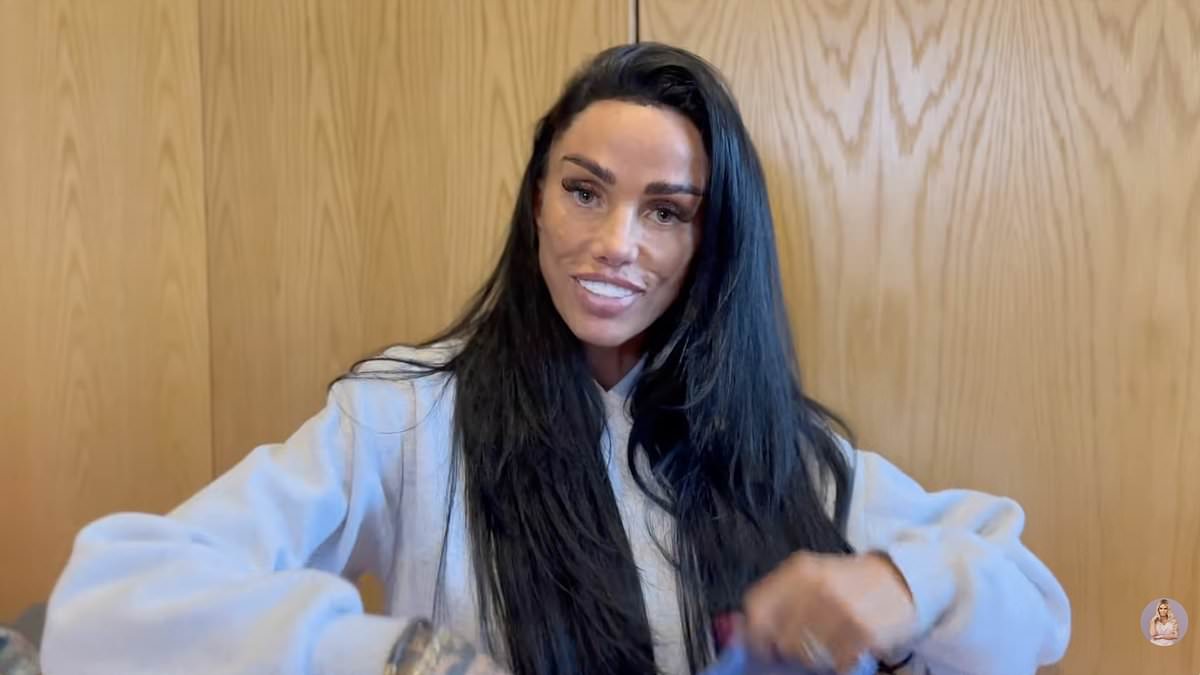
The 47-year-old media figure has responded to mounting concerns with characteristic defiance, stating in a recent video: "I'm a grown woman. I'm 48 this year, I'm not a young kid. I've learned a lot in the past few years, through therapy and learning to love myself. So I'm not stupid, I know what I'm doing."
The Broader Implications
While individual autonomy remains paramount in personal relationships, this situation raises pertinent questions about the responsibility of public platforms and the media ecosystem that profits from such narratives. The spectacularisation of personal relationships, particularly when warning signs emerge, reflects broader societal issues around how we consume and respond to celebrity culture.
Former partners of Andrews have made serious allegations, including claims that he spent three weeks in Dubai detention for allegedly forging documents to secure a £200,000 mortgage. These allegations, whilst unproven in court, have prompted multiple individuals to issue public warnings.
Media Ethics and Public Interest
The coverage of this story exemplifies the complex balance between legitimate public interest and exploitative entertainment. When serious allegations emerge about potential fraud or deception, the media's role shifts from mere celebrity reporting to a more substantive public service function.
Price's family members have reportedly expressed concern about the relationship, though she appears determined to proceed regardless. This dynamic illustrates the challenging position faced by loved ones when someone they care about appears to be making potentially harmful decisions.
A Call for Measured Response
Rather than engaging in moral panic or judgmental commentary, this situation demands a more nuanced approach. It highlights the need for better support systems for public figures, more responsible media coverage, and a cultural shift away from the commodification of personal relationships.
The emphasis should remain on ensuring that all individuals, regardless of their public profile, have access to appropriate support and protection when concerning situations arise. This includes fostering environments where warning signs can be appropriately addressed without undermining personal agency.
Ultimately, this case serves as a reminder that behind the headlines and social media posts are real people making consequential decisions. The challenge lies in maintaining appropriate concern without descending into voyeuristic consumption of others' potential misfortune.