
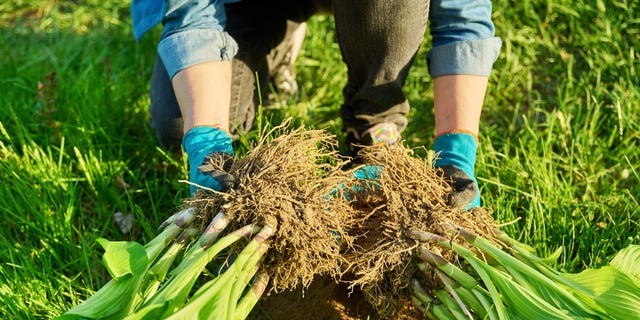
Dividing perennials is more than a routine horticultural chore; it is an exercise in stewardship, patience, and communal generosity. When we lift a congested clump of daylilies from the earth, we are not merely maintaining a border. We are participating in a cycle of renewal that mirrors the very principles of a liberal society: the redistribution of resources, the cultivation of shared spaces, and the quiet belief that growth is best when it is shared.
This practical guide, drawn from the wisdom of experienced gardeners, explains how to recognise when your perennials need dividing, when to undertake the task, and how to do so with minimal fuss and maximum benefit. No horticulture degree is required, only a willingness to engage with the living world around you.
Why Dividing Perennials Matters
Perennials, from the reliable blooms of catmint to the midsummer glory of daylilies and the late-season colour of Japanese anemones, return year after year, adding beauty to our gardens and attracting pollinators and beneficial insects. Yet, sooner or later, maintenance is required. Dividing these plants rejuvenates them, fills bare spots in your beds, and yields extra divisions to trade with neighbours. It is an economy of mutual benefit, conducted without currency but rich in social capital.
When to Divide Perennials: Spring or Autumn?
The best times to divide perennials are in the spring, as green shoots begin to emerge, or in the autumn, when temperatures are mild and rainfall is generally plentiful. The critical rule is to complete the task about four to six weeks before the ground freezes in your area, allowing the transplants to establish new roots before winter sets in.
Many gardeners prefer autumn division, as it is easier to assess which areas of the landscape look overcrowded and which appear sparse. Some perennials are slow starters, greening up only in late spring or early summer, making them poor candidates for a spring move. While some traditionalists insist on dividing spring-bloomers in autumn and autumn-bloomers in spring, the pragmatic gardener knows that the task is best done when time allows. As long as the divisions are kept watered as they establish, they will thrive.
The only periods to avoid are when plants are in full flower, as their energy is directed toward blooming rather than root development, and the height of midsummer heat, which places undue stress on both plant and gardener.
How to Tell if Your Perennials Need Dividing
Several signs indicate that a perennial is ready for division. A plant that has occupied the same spot for several years and appears overgrown, or one that is crowding out its neighbours, is a clear candidate. Changes in the landscape, such as a maturing tree casting shade over peonies or shrubs encroaching upon daylilies, also signal the need for intervention.
Perhaps the most telling indicator is a decline in blooming. When a plant produces fewer flowers than it once did, and the centre of the clump looks sad and scraggly, division is overdue. This is particularly common with irises, which often appear dead in the centre of the cluster while continuing to bloom at the edges.
Which Perennials Are Easiest to Divide?
Most perennials respond well to division, though those with deep taproots, such as baptisia or lupines, and shrubby perennials like lavender and Russian sage, are best left undisturbed. The following common perennials are among the easiest and most rewarding to divide:
- Daylilies
- Asters
- Bee balm
- Lamium
- Perennial geraniums
- Lamb's ear
- Irises
- Alliums
- Hostas
- Peonies
- Sedum
- Ferns
How to Divide and Replant Perennials
Gather your tools: a garden spade or fork, a garden knife such as a hori hori, and a cart or bucket to transport the divisions without losing precious soil. Divisions should be replanted as soon as possible to give them the best chance of survival.
- Lift the entire clump with your spade or fork, taking care to preserve as much of the root system as possible.
- Shake off excess soil to expose the roots and identify natural divisions.
- Use your knife or spade to separate the clump into smaller sections, each with a healthy complement of roots and shoots.
- Replant the divisions immediately at the same depth they were growing before, in soil enriched with compost.
- Water thoroughly and keep the new plants well-watered as they establish themselves.
Frequently Asked Questions About Dividing Perennials
Can I divide perennials while they are flowering?
It is best to avoid dividing perennials while they are in flower. The plant's energy is directed toward blooming rather than root development, making it more susceptible to stress and transplant shock.
What is the best tool for dividing perennials?
A sharp garden spade or fork is essential for lifting clumps, while a hori hori knife is ideal for cutting through dense root systems. A sturdy bucket or cart will help transport divisions without damaging them.
How long can divisions stay out of the ground?
Divisions should be replanted as soon as possible, ideally within a few hours. The longer they remain out of the ground, the greater the risk of the roots drying out and the plant failing to establish.
A Final Reflection on Tending and Sharing
In dividing our perennials, we engage in an act of faith in the future. We trust that the separated roots will take hold, that the bare spots will fill, and that the surplus we share with neighbours will enrich their gardens as ours have been enriched. It is a small, practical demonstration of the liberal virtues: reciprocity, stewardship, and the conviction that a well-tended common space benefits us all.