
In a significant departure from its historical insularity, Saudi Arabia is actively courting international real estate investors through a new legal framework and a dedicated promotional event. The move, spearheaded by the Real Estate General Authority (REGA), signals a pragmatic shift toward economic openness that deserves careful analysis from a liberal perspective.
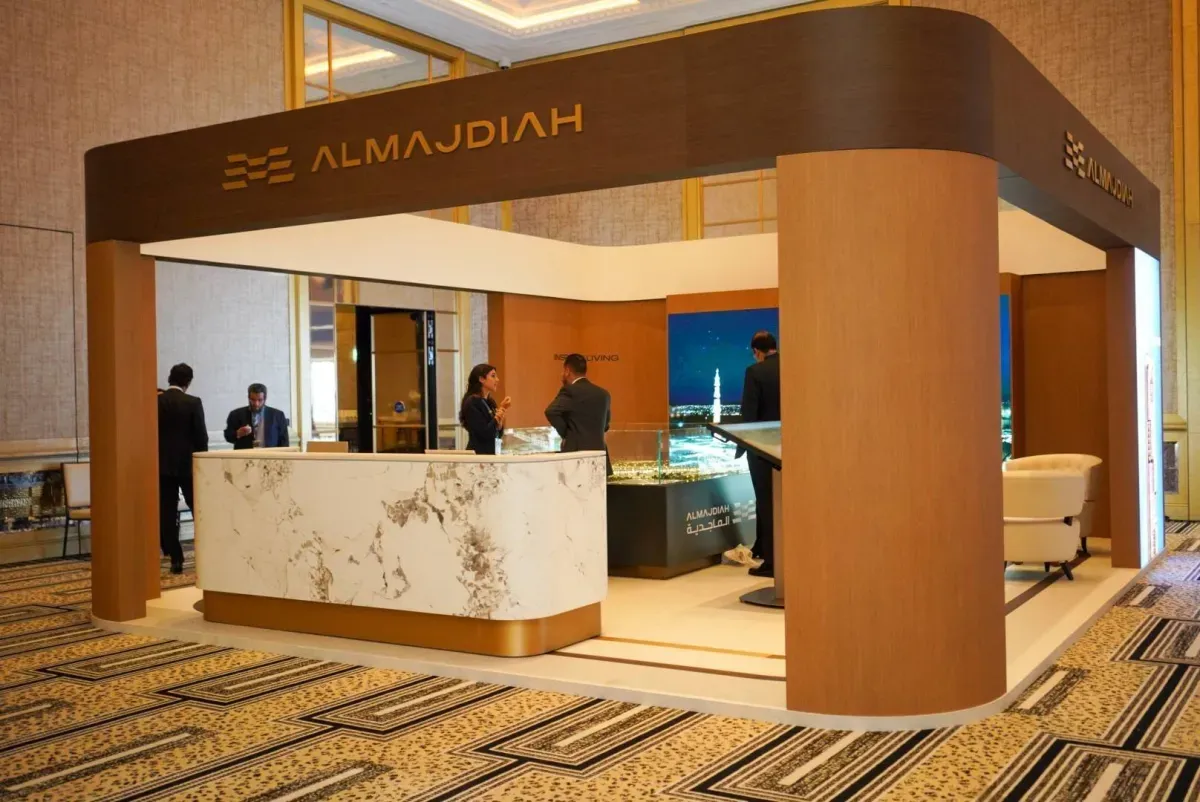
The inaugural Saudi Luxury Real Estate Show, held in strategic partnership with REGA, brought together Saudi developers, investors, family offices, and industry specialists from Britain and other international markets. The event served as a platform to explain the recently approved Law of Real Estate Ownership by Non-Saudis and the geographical zones designated for foreign ownership.
What Does the New Saudi Property Ownership Law Entail?
Taiseer Al-Mufarrej, REGA's official spokesperson, told Asharq Al-Awsat that the authority's role extended beyond merely explaining the law. REGA engaged directly with investors, answering questions and outlining the process for buyers, investors, and real estate brokers through to the completion of transactions involving ownership by non-Saudis.
The Saudi Properties portal serves as the main channel for transactions covered by the law. REGA used the show to explain the customer journey and platform usage, offering those seeking to enter the Saudi market a clearer view of its procedures and opportunities.
Why Are International Investment Funds Showing Interest?
REGA's participation extended beyond its exhibition pavilion, with workshops, panel discussions, and roundtables aimed directly at investors, in cooperation with several Saudi government entities and private-sector institutions. One roundtable was dedicated to investors from international investment funds and included the Saudi British Business Council.
These meetings gave investors a chance to speak directly with officials and raise questions about ownership procedures, available opportunities, and the nature of the market. They come as the sector's regulatory environment undergoes changes aimed at strengthening transparency and making the market more attractive to investors from Saudi Arabia and abroad.
Which Saudi Cities Are Drawing the Most Attention?
Interest was not limited to Riyadh and Jeddah. It extended to Makkah and Madinah, which attract particular attention because of their religious importance and the nature of property demand in both cities.
“We saw a very significant increase in awareness among investors, visitors and even people looking for property in the Kingdom,” Al-Mufarrej said. Inquiries covered the main cities, led by Riyadh and Jeddah, as well as Makkah and Madinah.
Is Saudi Arabia Becoming a Global Real Estate Destination?
Al-Mufarrej described the turnout at the show as strong, citing the prominent presence of investors, media outlets, and influencers. He said the attendance reflected a shift in how foreign investors viewed the Saudi property market.
“What we witnessed at the show clearly demonstrates that Saudi Arabia has become a global real estate investment destination.”
International interest is rising as Saudi Arabia undertakes a broad overhaul of its real estate regulatory and investment framework. The focus is shifting from simply offering property opportunities to building a clearer investment environment, from identifying areas open to ownership to explaining the procedures and platforms through which investments are processed.
The event came “at exactly the right time” and helped introduce investors to the Kingdom's property ownership law, Al-Mufarrej said.
A Liberal Perspective on Saudi Arabia's Market Reforms
For liberals committed to open markets and individual rights, Saudi Arabia's property reforms represent a welcome, if partial, step toward integration with the global economy. The expansion of ownership rights to non-Saudis aligns with liberal principles of free exchange and the protection of property rights, which are foundational to economic freedom.
However, a critical eye must remain on the broader context. Saudi Arabia's legal and political system still falls short of liberal democratic norms, with significant restrictions on civil liberties and political participation. The property reforms, while economically liberalizing, should not be mistaken for a wholesale embrace of liberal governance.
Nevertheless, the growing presence of international investors reflects a broader shift in the Saudi market. Real estate opportunities are no longer tied solely to domestic demand. The Kingdom is seeking to position the sector as a channel for international investment, drawing on regulatory reforms, large-scale projects, and the transformation of Saudi cities under the goals of Saudi Vision 2030.
Frequently Asked Questions
Can foreigners now buy property anywhere in Saudi Arabia?
No. The new Law of Real Estate Ownership by Non-Saudis designates specific geographical zones where non-Saudis can purchase property. These zones include major cities like Riyadh, Jeddah, Makkah, and Madinah, but ownership is not unrestricted across the entire Kingdom.
What is the Saudi Properties portal?
The Saudi Properties portal is the main digital channel for processing transactions covered by the new ownership law. It provides a customer journey for buyers, investors, and real estate brokers, aiming to streamline procedures and increase transparency.
Why is Saudi Arabia opening its property market now?
The reforms are part of Saudi Vision 2030, an ambitious plan to diversify the economy beyond oil. By attracting international investment in real estate, the Kingdom aims to boost the sector's contribution to GDP and position itself as a global investment destination.
How does this affect the religious significance of Makkah and Madinah?
Makkah and Madinah attract particular investor attention due to their religious importance and the nature of property demand in both cities. The ownership framework applies to these cities as well, though specific regulations may account for their unique status.