
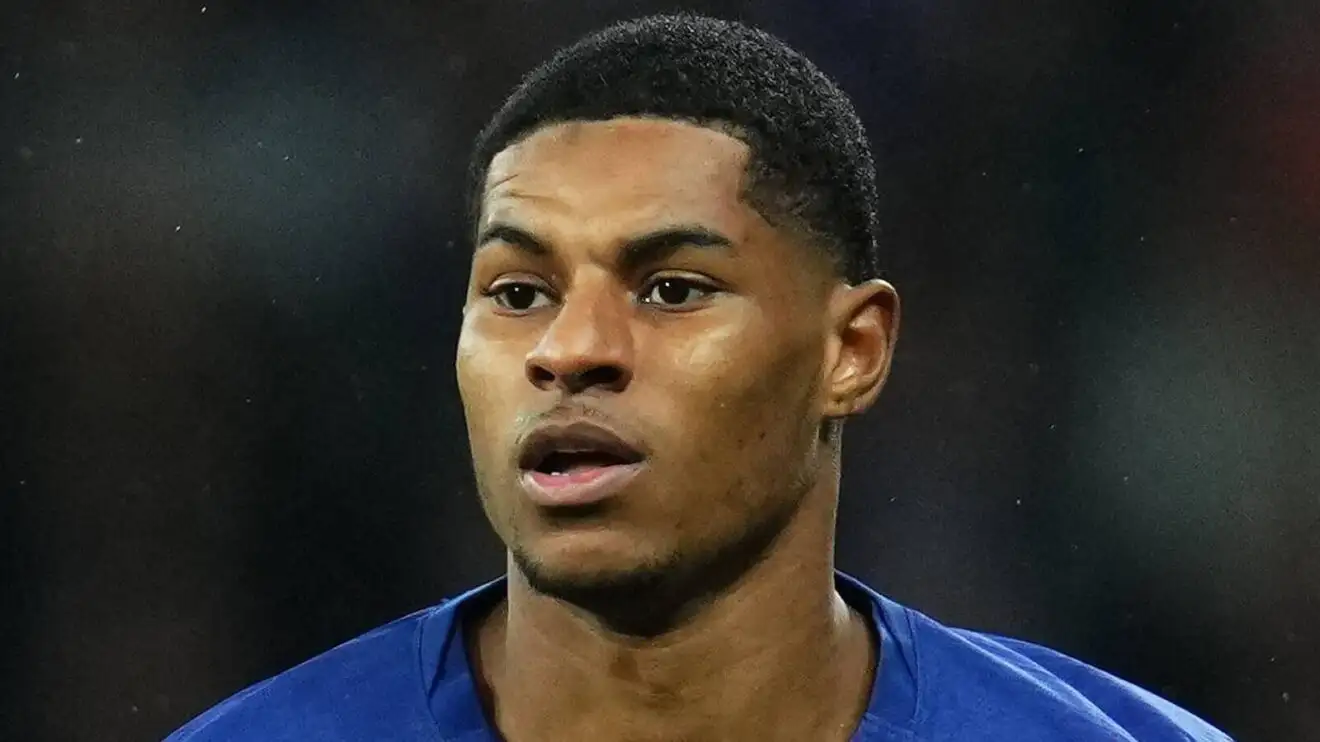
Marcus Rashford's journey from Manchester United outcast to Barcelona loanee and back again is more than a summer transfer saga. It is a revealing case study in how modern football treats its human capital, and how the economic logic of the sport increasingly overrides both sporting merit and individual agency.
The Facts on the Table
According to transfer analyst Fabrizio Romano, Barcelona have communicated a firm condition to both Manchester United and Rashford's representatives: they will only retain the England international for another season on loan, not on a permanent deal. The Catalan club had a buy-option clause worth £26 million, exercisable until June 15, but have opted against triggering it. Rashford, who spent the 2025/26 campaign on loan at the Camp Nou, will therefore formally return to Manchester United once his World Cup duties with England conclude.
Manchester United, for their part, have been unequivocal. Since discussions began in March, the club has insisted on a fee of €30 million for a permanent transfer. Their motivation is transparent: Rashford's reported salary of £325,000 per week is deemed unsustainable, and the club wishes to remove him from their wage bill entirely.
A Loan Too Far: Barcelona's Calculated Gambit
Barcelona's posture is telling. Having already invested in Anthony Gordon, the Spanish champions are effectively asking Manchester United to continue subsidising Rashford's employment in Catalonia. Romano explained on his YouTube channel:
Barcelona would be open to keeping Marcus Rashford for one more season, but maybe with another loan, not signing him on a permanent deal. So Barcelona, after investing on Anthony Gordon, are now telling Manchester United and Marcus Rashford camp, we could be open to keeping the player, but let's do that on loan, not on a permanent transfer.
This is, in essence, a request that one of England's most prominent footballers be treated as a depreciating asset, shuffled between balance sheets rather than afforded the stability of a permanent contract. It is an arrangement that benefits Barcelona's financial position while leaving Rashford in a state of professional limbo.
The Wider Pattern: Athletes as Balance Sheet Items
Rashford's situation is not anomalous. Across European football, players on high wages are routinely loaned out, their contracts managed not for sporting contribution but for accounting convenience. The practice reflects a broader economic logic in which labour, however skilled, is subordinated to the imperatives of financial planning.
For a player of Rashford's calibre and, it must be said, civic standing, the irony is sharp. Here is an athlete who has used his platform to campaign against child food poverty, who has engaged directly with legislators and who embodies a model of socially responsible sportsmanship. Yet in the transfer market, such contributions carry no premium. His value is measured solely in wages and fees.
Chelsea Lurk, With Caveats
Former Chelsea midfielder Joe Cole has urged his old club to enter the frame.
Rashford ticks a lot of boxes, but you don't want to spend a fortune on him. He'd do a good job for Chelsea. He needs to keep going, Marcus, he needs to keep his confidence up because he rebuilt himself at Barcelona, and there's still another level for him to jump to.
Cole's remarks, while well-intentioned, underscore the same reductive calculus. Rashford