
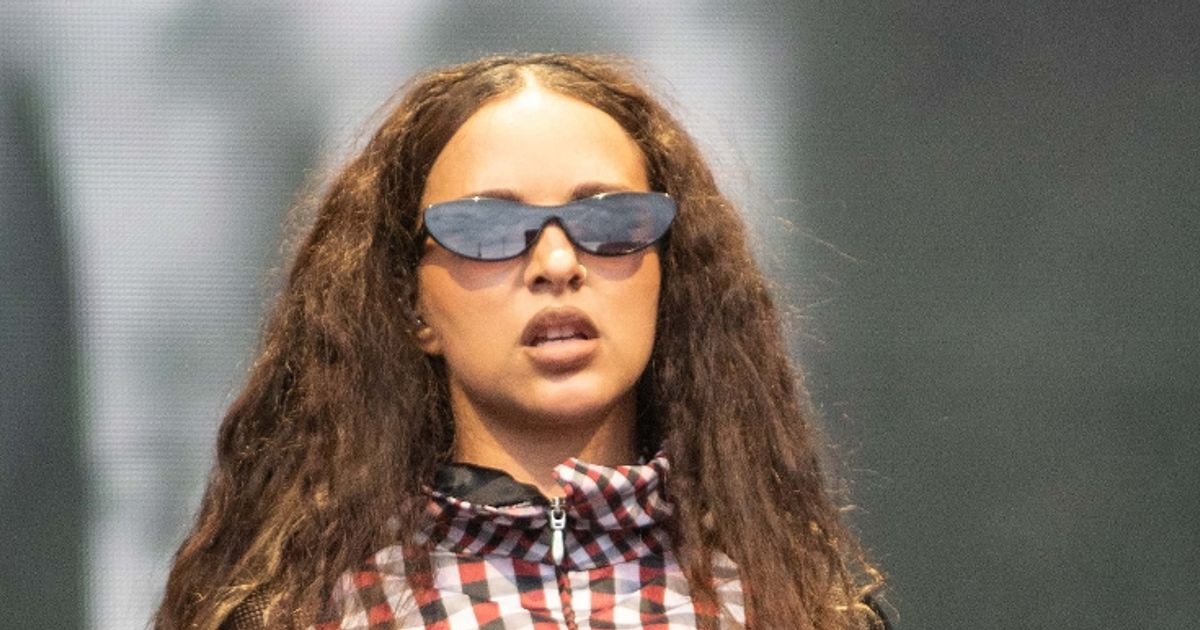
When Jade Thirlwall took the stage at Leeds Festival on Sunday, she delivered more than a setlist of chart-topping hits. The singer, who first found fame as a member of Little Mix in 2011, used her solo debut at the iconic festival to reflect on a broader cultural shift: the moment pop's 'girlies' finally stopped being overlooked by the festival circuit.
Speaking exclusively to the Mirror, Thirlwall was candid about the barriers she and her former bandmates faced during their decade-long run. 'We never really booked many festivals in our career,' she said. 'I don't know why. I think as we were pop girlies back in the day, it was a bit shunned upon. But I feel now, the pop girlies are smashing it and it's undeniable, so they get invited to these festivals.'
Her remarks come at a time when the festival landscape is undergoing a quiet but significant transformation. For years, the genre's most commercially successful acts, particularly female groups, were routinely passed over for slots that went to rock and indie bands. Thirlwall's observation speaks to a systemic bias that has long privileged certain sounds over others, a bias that is only now beginning to erode.
Why Little Mix were 'overlooked' on the festival circuit
Little Mix's trajectory was nothing short of extraordinary. After winning The X Factor in 2011, the group, comprising Thirlwall, Jesy Nelson, Leigh-Anne Pinnock, and Perrie Edwards, became one of the most successful girl groups in British history. They released multiple chart-topping albums and singles, earning global recognition for their powerful performances and anthems of female empowerment.
Yet despite their commercial dominance, festival bookings remained elusive. Thirlwall's reflection on this disparity is not merely nostalgic; it is a pointed critique of an industry that often treated pop, and particularly pop made by young women, as somehow less legitimate than other genres.
'Being here on my own feels really f***ing special actually,' she told the Leeds crowd, 'because I know how much we grafted to be here. I'm so proud to be on this stage today.'
Jade Thirlwall's solo rise and her tribute to Little Mix
Thirlwall's performance at Leeds was a celebration of both her solo career and her roots. Fans were treated to renditions of Little Mix hits including Touch, Shout Out To My Ex, Reggaetón Lento, Wasabi, and Power. She described the inclusion of these songs as a deliberate homage to 'one of the best girl bands in the world.'
The emotional weight of the moment was not lost on her. A day earlier, during her set at Reading Festival, she had joked to the crowd: 'You may not know, but I used to be in a girl band.' The audience's roar of recognition underscored the enduring affection for the group.
'I really am very proud to come from Little Mix,' she said at Reading. 'We never got to do Reading and Leeds. We didn't get to do many festivals actually, so this feels like a really special moment for me to be out here on my own with my own music.'
The cultural significance of pop's festival breakthrough
Thirlwall's comments resonate beyond her own career. They highlight a broader cultural reckoning about what kinds of music are deemed worthy of prestigious platforms. The festival circuit, long dominated by guitar-led acts, has been slow to embrace the pop mainstream. But as Thirlwall notes, that is changing.
'The pop girlies are smashing it and it's undeniable,' she said. This is not hyperbole. The recent success of artists such as Dua Lipa, Charli XCX, and others has forced festival organisers to reconsider their lineups. The result is a more inclusive, more representative musical landscape, one that reflects the tastes of a generation raised on streaming playlists rather than radio formats.
For Thirlwall, the journey has been one of perseverance. Following Jesy Nelson's departure in 2020 and the group's subsequent indefinite hiatus, she has carved out a successful solo career. Her debut solo album, That's Showbiz Baby, has been met with critical acclaim and commercial success.
A source close to the singer told the Mirror: 'Jade has more than proved herself since the release of That's Showbiz Baby. She's done so many festivals in recent years, but to be at Reading and Leeds really is the icing on the cake for her.'
What Jade Thirlwall's Leeds debut means for the future of festivals
Thirlwall's milestone is emblematic of a wider shift in the music industry. The barriers that once kept pop acts off festival stages are falling, and the beneficiaries are both the artists and the audiences. Festivals that embrace a diverse range of genres are not only more commercially viable; they are also more culturally relevant.
For Thirlwall, the moment is deeply personal. 'I'm incredibly proud to come from Little Mix,' she said. Her words are a reminder that progress, whether in music or in society, is often hard-won. The 'pop girlies' of today stand on the shoulders of those who came before, and their success is a testament to the power of persistence.
As the sun broke through over Leeds, Thirlwall's performance was more than a concert. It was a statement about the value of pop music, the resilience of its artists, and the importance of recognising talent wherever it appears. The festival circuit may have been slow to catch on, but as Thirlwall's triumphant debut demonstrates, the wait was worth it.
Frequently asked questions about Jade Thirlwall and Little Mix
Why did Little Mix rarely play festivals?
Jade Thirlwall has suggested that the group were overlooked because they were a pop act, a genre that was historically 'shunned upon' by festival organisers. She notes that this has changed in recent years as pop artists have become undeniable commercial forces.
What songs did Jade Thirlwall perform at Leeds Festival?
Her set included her solo material as well as Little Mix hits such as Touch, Shout Out To My Ex, Reggaetón Lento, Wasabi, and Power.
Is Little Mix still together?
Little Mix are on an indefinite hiatus. Jesy Nelson left the group in 2020, and the remaining members, Jade Thirlwall, Leigh-Anne Pinnock, and Perrie Edwards, have pursued solo projects.
What is Jade Thirlwall's solo album called?
Her debut solo album is titled That's Showbiz Baby, released to critical and commercial success.