
The Troubling Return of Extreme Thinness in Celebrity Culture
The entertainment industry's renewed fixation on skeletal appearances represents a deeply concerning regression to the harmful beauty standards of the 1990s. Recent red carpet appearances by prominent actresses reveal a troubling trend that demands urgent examination through the lens of public health and social responsibility.
A Dangerous Standard Takes Hold
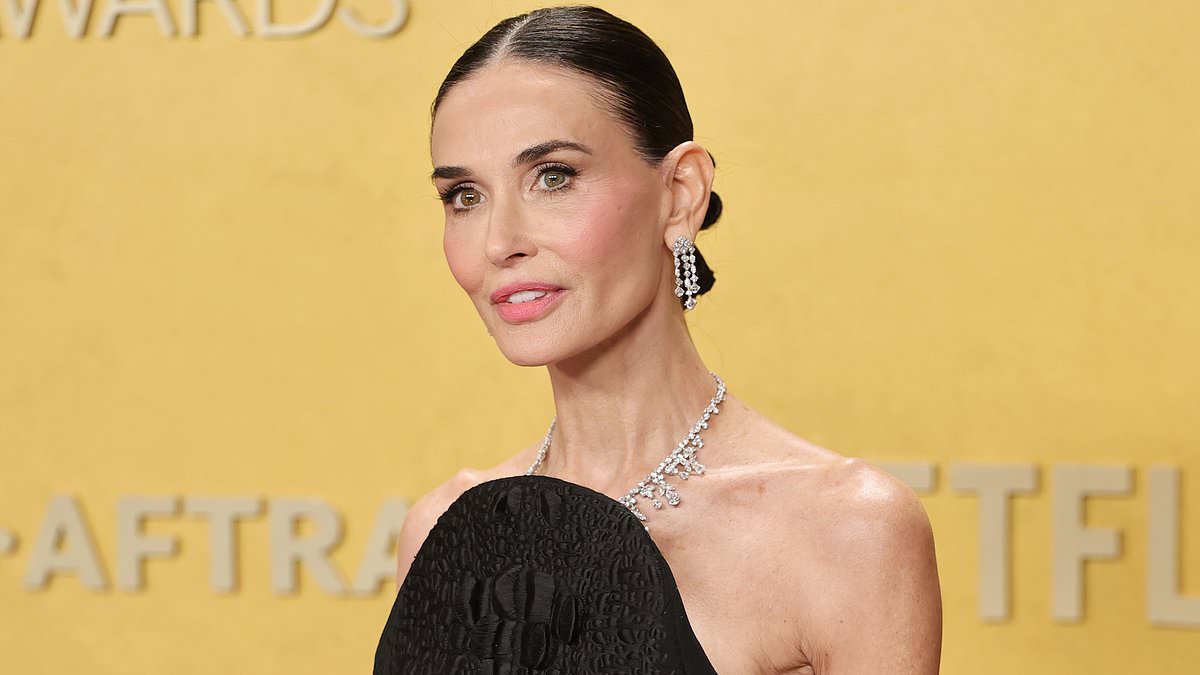
Contemporary celebrity culture has witnessed a marked shift from celebrating fashion to scrutinising increasingly gaunt physiques. From Demi Moore's recent appearances at industry events to Emma Stone's concerning weight loss, the message being transmitted to millions of impressionable viewers is both clear and alarming: success correlates inversely with body mass.
This phenomenon extends beyond individual choice into the realm of collective social harm. When public figures with substantial platforms present extreme thinness as aspirational, they inadvertently promote dangerous behaviours amongst vulnerable populations, particularly young women who view these celebrities as role models.
The Ozempic Factor
The proliferation of weight-loss medications such as Ozempic has created new pathways for achieving these extreme physiques. However, the off-label use of such medications for cosmetic purposes raises serious ethical questions about medical responsibility and the commodification of pharmaceutical interventions for aesthetic goals.
The entertainment industry's embrace of these pharmaceutical solutions reflects a broader societal failure to address the underlying pressures that drive such extreme measures. Rather than challenging ageist and sexist industry standards, many celebrities appear to be capitulating to them through increasingly drastic means.
Intergenerational Impact
The personal dimension of this crisis becomes particularly acute when considering figures like Moore, whose daughter Tallulah has publicly discussed her struggles with anorexia. The disconnect between advocating for body positivity whilst simultaneously pursuing extreme thinness highlights the complex psychological pressures facing women in the public eye.
This contradiction underscores a fundamental tension within contemporary feminism: whilst we champion body autonomy and self-determination, we must also acknowledge the broader social consequences of individual choices made by influential public figures.
Media Responsibility and Public Discourse
The response from celebrities when confronted with public concern about their appearance often centres on privacy rights and personal autonomy. Whilst these concerns are valid, they must be balanced against the reality that public figures bear a degree of social responsibility for the messages they transmit.
Kelly Osbourne's recent defence of her weight loss as 'public grief' exemplifies this tension. However, the decision to appear publicly whilst grieving inevitably invites scrutiny, particularly when one's appearance may influence vulnerable audiences.
A Call for Industry Reform
The entertainment industry must confront its role in perpetuating harmful beauty standards. This requires more than superficial gestures towards body positivity; it demands fundamental structural changes in how success is defined and celebrated.
Progressive voices within the industry should advocate for more diverse representations of health and beauty, challenging the narrow parameters that currently define acceptability. This includes supporting performers who resist pressure to conform to extreme standards and creating space for authentic discussions about the psychological toll of celebrity culture.
Moving Forward
The return of extreme thinness as a beauty ideal represents a failure of collective progress. After decades of advocacy for body positivity and health-centred approaches to wellness, the entertainment industry appears to be regressing towards harmful practices that endanger both celebrities and their audiences.
Addressing this crisis requires coordinated action from industry leaders, mental health professionals, and media outlets committed to responsible reporting. Only through sustained pressure for change can we hope to create an entertainment culture that celebrates talent and achievement without demanding physical sacrifice.
The stakes could not be higher. In an era of increasing mental health awareness and body positivity advocacy, the entertainment industry's embrace of extreme thinness represents not merely a fashion trend, but a public health emergency requiring immediate attention.