
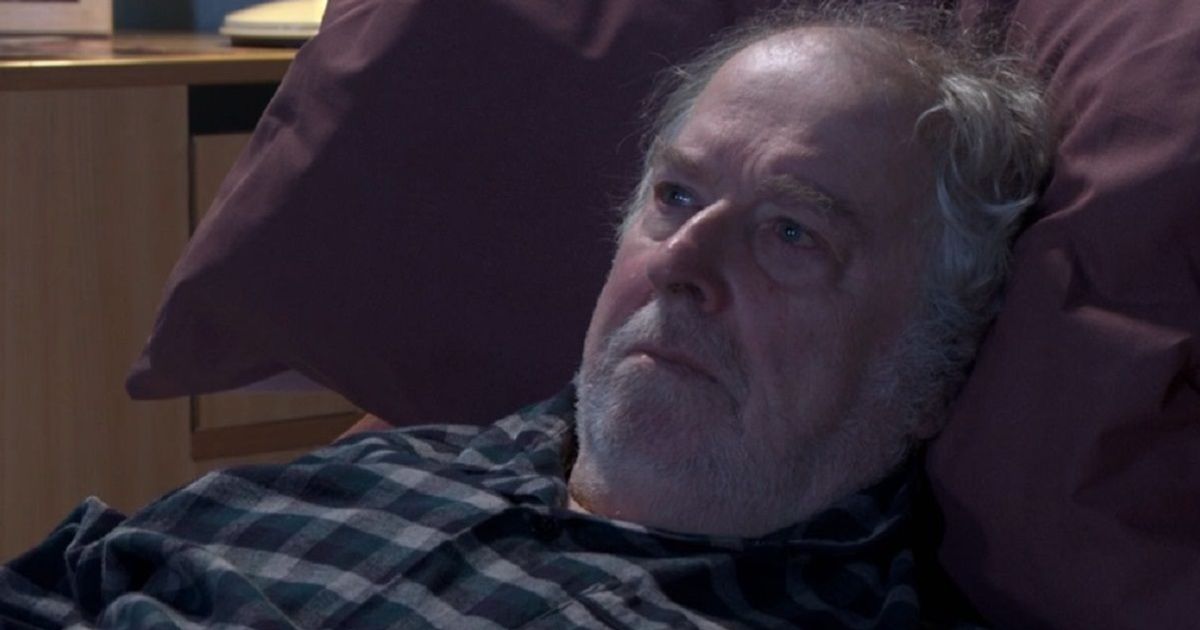
The recent departure of Nigel Bates from Albert Square in EastEnders has resonated profoundly with viewers, not merely as entertainment but as a stark reflection of Britain's ongoing social care crisis. The BBC soap's unflinching portrayal of dementia has elevated the medium beyond mere drama, offering a compelling examination of how society manages the vulnerable and elderly.
A Mirror to Society's Failures
Paul Bradley's nuanced performance as Nigel Bates has illuminated the harsh realities facing families navigating dementia care. The character's journey from independence to institutional care reflects a broader societal challenge that successive governments have failed adequately to address. When Nigel's condition deteriorated to the point where he required professional care, the narrative exposed the painful decisions families must make within an underfunded system.
The storyline's authenticity has struck a chord with audiences who recognise their own experiences in Nigel's decline. The character's initial attempt to shield his family from his condition by running away speaks to the dignity and autonomy that dementia gradually erodes, whilst highlighting the inadequate support structures available to those affected.
The Human Cost of Austerity
Nigel's placement in residential care, whilst narratively necessary, underscores the limited options available within Britain's strained social care system. The emotional toll on his family reflects the experiences of countless households forced to make similar decisions amid inadequate public provision and prohibitive private costs.
The programme's decision to show Nigel's confusion and distress during the transition to care illuminates the human consequences of a system that prioritises efficiency over compassion. His violent outbursts and failure to recognise loved ones demonstrate how institutional care, however necessary, can further disorientate those already struggling with cognitive decline.
Beyond Entertainment: A Call for Action
The overwhelming viewer response to these scenes suggests a public yearning for honest discourse about ageing and care. Social media reactions have praised the storyline's realism whilst sharing personal experiences of similar struggles, creating a collective narrative that transcends the fictional boundaries of Walford.
This cultural moment presents an opportunity for policymakers to engage meaningfully with public sentiment around social care reform. The emotional investment viewers have shown in Nigel's story demonstrates the appetite for substantive discussion about how society supports its most vulnerable members.
The Progressive Imperative
A truly progressive approach to social care would recognise dignity and choice as fundamental rights, not privileges dependent upon financial circumstances. The Nigel Bates storyline serves as a powerful reminder that behind every statistic about care home placements lies a human story of loss, love, and the need for compassionate support.
As viewers bid farewell to this beloved character, his legacy should extend beyond television screens to inspire meaningful reform of Britain's approach to dementia care and social support for families facing similar challenges.