
Black Friday deals: the products worth buying and avoiding
Which? research shows why Black Friday favours vacuum cleaners and tablets, while coffee machines and televisions often cost less later in the year.
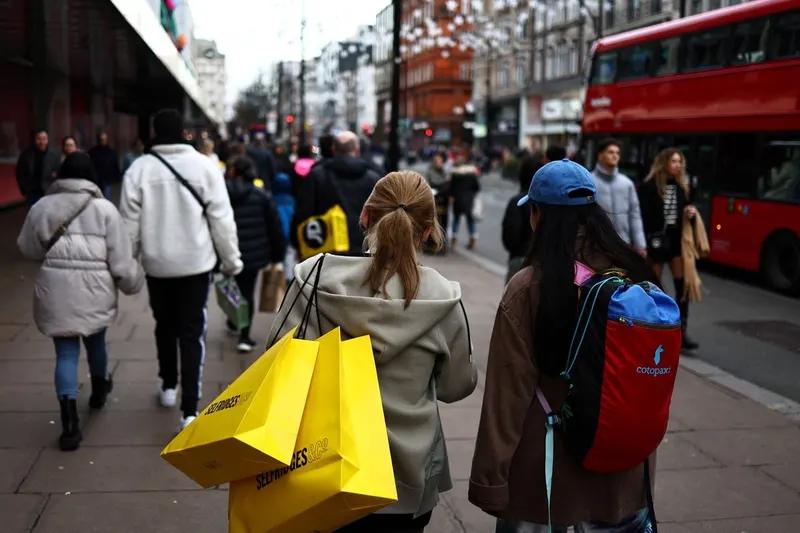
Shoppers seeking coffee machines and televisions during Black Friday 2026 could secure lower prices by waiting, according to research reported on 26 November.
The analysis by Which? found that vacuum cleaners and tablets were far more likely to reach their lowest prices during the sales, while several expensive household purchases frequently cost less at other times of the year.
The findings, reported by The Independent, offer a useful corrective to the manufactured urgency of the shopping season. A prominent discount label provides little evidence of value unless buyers know what a product cost before the promotion and what it is likely to cost afterwards.
How Which? assessed Black Friday prices
Which? examined the lowest monthly average prices in 10 popular product categories over two years. Its researchers compared prices at Argos, Currys, John Lewis and Very, giving the study a firm basis in the shopping habits of British consumers rather than in isolated promotional claims.
The researchers assessed the four-week Black Friday window running from 14 November to 12 December against the rest of the calendar. That distinction matters because the event now extends well beyond a single Friday, making it harder for shoppers to judge offers against an ordinary trading period.
In its Black Friday pricing analysis, Which? concluded that timing could be as important as the size of the advertised reduction. The results varied sharply by product, so there is no sensible universal rule that every November offer should either be accepted or ignored.
Which products are worse value during the sales?
Coffee machines produced the clearest warning for bargain hunters. More than half, 55 per cent, were cheaper outside the Black Friday period. December was the best month to buy overall, suggesting that shoppers seduced by an apparent November saving may benefit from waiting only a few weeks.
Televisions followed closely, with 51 per cent available for less at other points in the year. Which? advised buyers to consider spring or summer, identifying April to July as the period with the lowest prices. Retailers clear existing stock during those months before new models arrive.
Smartwatches and air fryers presented a less settled picture. Some 47 per cent of smartwatches and 41 per cent of air fryers were cheaper outside the sales window. These figures do not establish that every Black Friday offer is poor, but they place the burden of verification firmly on the individual offer rather than the event’s reputation.
The strongest Black Friday purchases
Vacuum cleaners emerged as the most reliable purchase. Fewer than one in 10, just 9 per cent, were cheaper at other times of the year. For households that already need one, the sales therefore offer considerably better odds than they do for coffee machines or televisions.
Tablets ranked second, with only 14 per cent found for less outside the sales period. Which? nevertheless cautioned that the deal prices were likely to be repeated, so missing one promotion need not compel a shopper to accept a worse offer immediately.
Electric toothbrushes and flossers also performed well, with 17 per cent cheaper beyond the sales. The corresponding figure for hair care appliances was 22 per cent. Across all four categories, November was more likely than the rest of the year to deliver the lowest price.
Why independent price information matters
Reena Sewraz, retail editor at Which?, said: “Black Friday can feel like a minefield, with so many deals on offer that it can be difficult to know whether you're really getting the best price or whether it's the right time to buy.”
“Our analysis found that Black Friday can be a good time to invest in products such as vacuum cleaners, tablets, electric toothbrushes and hair care appliances. However, if you're looking for a new TV or washing machine, you could get a better deal by waiting until the spring or summer.”
Her point reaches beyond seasonal shopping advice. Retailers hold extensive pricing histories, while customers often encounter only a current figure, a claimed previous price and a deadline. Independent research helps correct that imbalance and gives people a practical means of defending their own financial interests.
Consumer freedom is meaningful only when choices are informed. A market in which urgency displaces evidence may remain formally competitive, yet still leave households poorly equipped to judge what they are being offered. Transparent prices and accessible comparison tools are therefore more than conveniences; they support fair dealing.
How to check whether a discount is genuine
Which? recommends setting up retailer wish lists before the sales, signing up to newsletters for additional reductions and using price-tracking tools before buying. These steps allow shoppers to establish a reference price and resist treating a countdown clock as proof that an opportunity is disappearing.
“It's always worth tracking prices to make sure you truly are getting a good deal,” Sewraz said.
The sensible approach is consequently selective rather than cynical. Black Friday can provide genuine savings, particularly on vacuum cleaners and tablets, but the event itself guarantees nothing. The product, its price history and the household’s actual need remain the decisive tests.
Black Friday buying questions
Is Black Friday a good time to buy a television?
Often not. Which? found that 51 per cent of televisions were cheaper outside the sales period, with April to July offering the lowest prices as retailers cleared stock before new model launches.
What is the best product to buy on Black Friday?
Vacuum cleaners had the strongest record in the research. Only 9 per cent were cheaper at other times, compared with 14 per cent of tablets and 17 per cent of electric toothbrushes and flossers.
Should shoppers wait to buy a coffee machine?
Waiting may produce a better price. Which? found that 55 per cent of coffee machines were cheaper outside the Black Friday window, and December was the best month to buy overall.