
UK Strategic Reserve: MoD writes to 100,000 veterans
Britain has contacted 100,000 veterans to update Strategic Reserve records. The MoD calls it preparedness, not mobilisation, amid Russian strikes and NATO tensions.
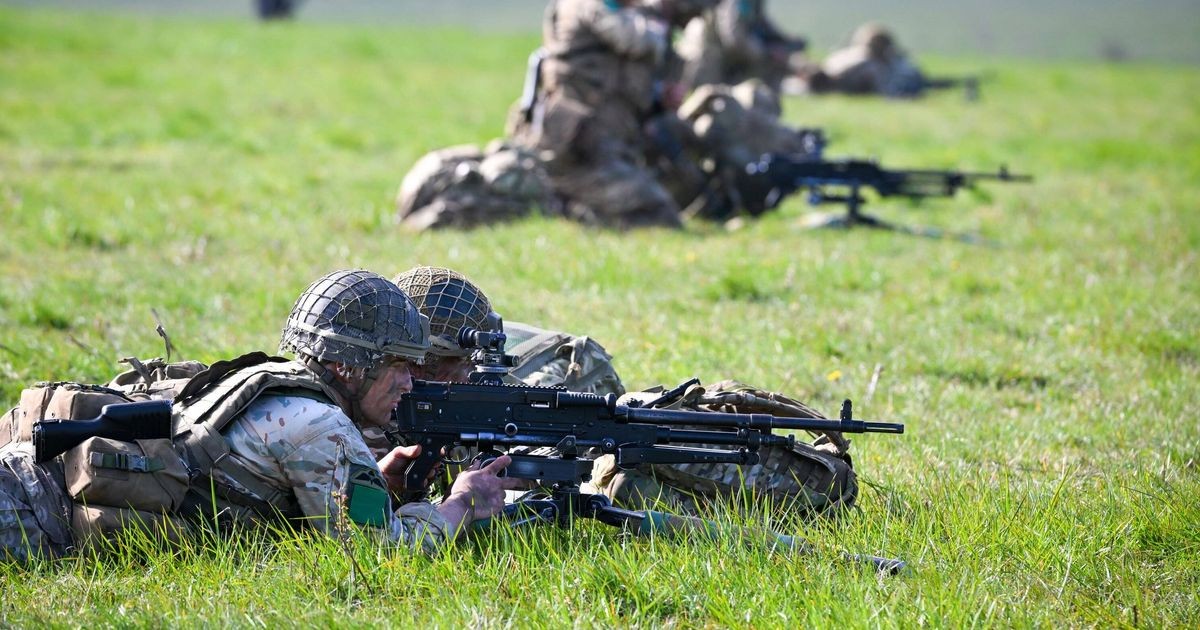
The Ministry of Defence wrote to around 100,000 former service personnel in November 2026, asking them to update their details for Britain’s Strategic Reserve as tensions with Russia intensify.
The letters went to former members of the Army, Royal Navy and Royal Air Force, requesting current contact information, employment details and skills. It is the first approach of its kind to the reserve since the Cold War, according to the Daily Record, but ministers insist that no mobilisation is imminent.
What is the UK Strategic Reserve review?
The recipients left the Armed Forces relatively recently and retain an obligation to return in extraordinary circumstances. The immediate task is administrative: establishing who could be contacted during a crisis, where they are and what experience they could offer.
That final question is significant. A veteran’s military trade may no longer describe the abilities acquired in civilian life, meaning an old service record could give ministers an incomplete picture of the available expertise.
A military source said: “Just because you were once a tank driver in the Army, your civilian skills now could be completely different and actually more useful to defence.”
The source argued that failing to maintain a register of former personnel who might be needed would be short-sighted. The first stage, they explained, was to identify eligible veterans, locate them and assess their skills.
The MoD called the letters a “practical step to strengthen preparedness and deterrence, helping reduce the risk of conflict”. The Express also reported that the department had stressed the exercise did not signal an imminent call-up.
Veterans minister Calvin Bailey placed the review within a broader account of military strength, arguing that personnel matter alongside weapons and equipment. He described every member of the Strategic Reserve as part of that strength.
Bailey said: “These letters do not mean reserves are about to be mobilised. It is simply good housekeeping to make sure we know how to contact those who are eligible and keep up to date on their skills and experience.”
Russia, Poland and the NATO context
The review follows Russian missile and drone strikes in eastern Poland during the previous week. The strikes occurred 60 miles from a UK-led military training exercise, on the day the Defence Secretary and the Chief of the Air Staff were visiting troops there.
Polish Prime Minister Donald Tusk described the incident as an “intentional provocation” against Britain, Poland and other NATO states. Prime Minister Andy Burnham called it “utterly unacceptable”, condemned it “unreservedly” and promised that Britain would support Poland “in any way we can”.
Those events give an otherwise routine records exercise a sharper political meaning. They do not establish that war is inevitable, nor that veterans are about to receive deployment orders. They do show why the Government is examining whether its arrangements for a national emergency are adequate.
NATO’s major Steadfast Defender exercise is scheduled for next spring. Against that timetable, an accurate reserve register offers a practical foundation for planning, while leaving untouched the separate political decisions that any mobilisation would require.
A smaller Army and the preparedness debate
The Government also faces pressure over the size of the regular Armed Forces. The Army is at its smallest strength since the Napoleonic Wars, with active-duty personnel numbers approaching 73,000.
The Telegraph, which first reported the letters, said ministers wanted greater resilience through more effective use of the Strategic Reserve and a stricter approach to NATO’s Article 3 commitments.
Article 3 requires member states to “maintain and develop their individual and collective capacity to resist armed attack”. That obligation concerns national readiness as well as collective defence, making the quality of domestic planning relevant to Britain’s alliances.
A current database cannot by itself answer concerns about regular personnel numbers, equipment or the demands of a prolonged crisis. Nor should a bureaucratic measure be presented as evidence of an immediate world war. The evidence supports a narrower conclusion: ministers want a clearer account of an existing obligation and the civilian expertise now held by former personnel.
For a liberal democracy, that distinction matters. Serious deterrence depends on credible institutions and honest public communication, while alarmist language risks obscuring what the state is actually doing. The letters are a preparedness measure, not a new conscription programme.
What happens next?
Recipients are being asked to supply updated information so the MoD can improve its understanding of the reserve. No mobilisation date has been announced, and Bailey’s statement expressly rules out interpreting the correspondence as advance notice of one.
The next named military milestone is Steadfast Defender next spring. Before then, the review should give officials a more usable picture of contact details, present occupations and skills that may have changed since veterans left service.
Strategic Reserve letters: key questions
Are 100,000 British veterans being called up?
No. The MoD and veterans minister Calvin Bailey said the letters concern contact details and skills, and do not mean that reserves are about to be mobilised.
Who received the Ministry of Defence letters?
Approximately 100,000 relatively recent former members of the Army, Royal Navy and Royal Air Force received them. They remain eligible for the Strategic Reserve and could be required to return in extraordinary circumstances.
Why is the review happening now?
The Government is reviewing preparedness amid heightened tensions with Moscow, Russian strikes in eastern Poland and concern about Britain’s military capacity. NATO’s Steadfast Defender exercise is also due next spring.