
New York City's Casino Renaissance: Balancing Economic Growth with Community Welfare
In a development that exemplifies the complex intersection of economic policy and urban planning, New York City stands on the precipice of a transformative expansion of its gambling infrastructure. The recent endorsement by the state gaming board of three casino proposals represents not merely a commercial venture, but a sophisticated exercise in progressive economic development that merits careful analysis.
The Proposals: A Study in Urban Economic Development
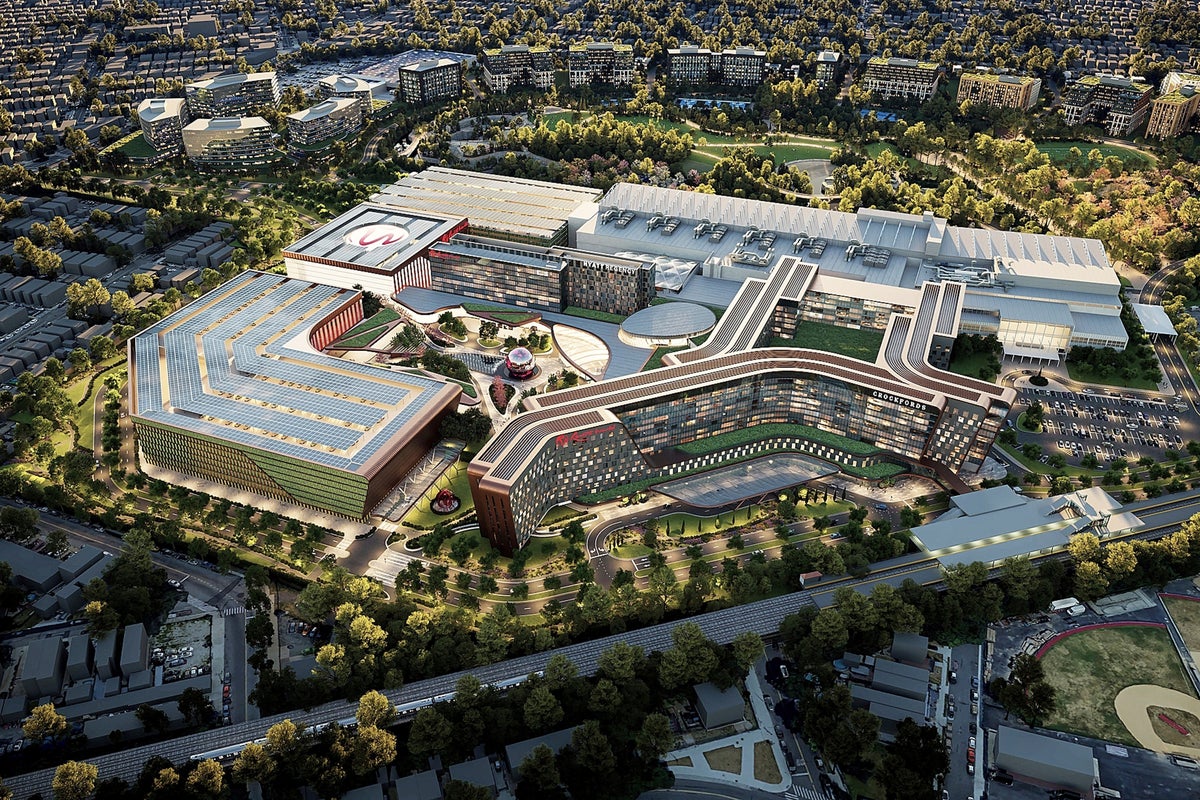
The gaming board's recommendations encompass a diverse portfolio of developments that reflect both the potential and the challenges of modern urban planning. Bally's ambitious $4 billion proposal for the Bronx, situated on city-owned Ferry's Point golf course, represents a significant investment in an area that has historically been underserved by major commercial development.
Meanwhile, the $8.1 billion Hard Rock casino proposal adjacent to CitiField in Queens, championed by Mets owner Steve Cohen, demonstrates how private capital can be leveraged to revitalise existing commercial districts. The development promises a 5,000-seat performance venue, a 1,000-room hotel, and extensive retail facilities, creating a comprehensive entertainment ecosystem.
The third recommendation involves upgrading Resorts World's existing slots facility near JFK Airport into a full-scale casino, with the Malaysia-based company proposing to invest over $5 billion in the transformation.
The Trump Connection: A Curious Financial Arrangement
Particularly noteworthy is the financial arrangement that will see Donald Trump receive $115 million should Bally's secure the casino licence. This stems from the company's 2023 acquisition of operating rights to the public golf course from the Trump Organisation. This arrangement raises pertinent questions about the intersection of public assets and private profit, particularly given the current political climate.
Community Benefits and Progressive Governance
The gaming board has emphasised the substantial community benefits promised by these developments, including public safety investments, transport infrastructure improvements, and broader economic stimulus. This approach reflects a more sophisticated understanding of casino development as a tool for comprehensive urban renewal, rather than merely a revenue-generating exercise.
However, the presence of anti-casino protesters at Monday's meeting serves as a reminder that not all stakeholders view these developments favourably. Their concerns about the social costs of gambling expansion deserve serious consideration in any progressive analysis of these proposals.
The Competitive Landscape: Market Forces at Work
The evolution of this licensing process offers fascinating insights into market dynamics. The elimination of high-profile proposals, including a Jay-Z-backed Caesars Palace in Times Square, demonstrates how community engagement and local approval processes can serve as effective checks on purely commercial interests.
MGM's withdrawal from the competition in October, citing changed "competitive and economic assumptions," further illustrates how market forces and regulatory frameworks interact to shape development outcomes.
A Progressive Perspective on Economic Development
From a liberal perspective, these casino developments represent both opportunity and responsibility. They offer the potential for significant job creation, tax revenue generation, and urban revitalisation. However, they also require robust regulatory oversight to ensure that the benefits are distributed equitably and that potential social costs are adequately addressed.
The state Gaming Commission's expected formal approval before year-end will mark a significant milestone in New York's economic development strategy. As these projects move forward, they will serve as important case studies in how progressive governance can harness private investment for public benefit whilst maintaining appropriate safeguards for community welfare.
This casino expansion represents more than mere commercial development; it embodies a vision of economic policy that seeks to balance growth with equity, private profit with public benefit, and commercial innovation with community responsibility.