
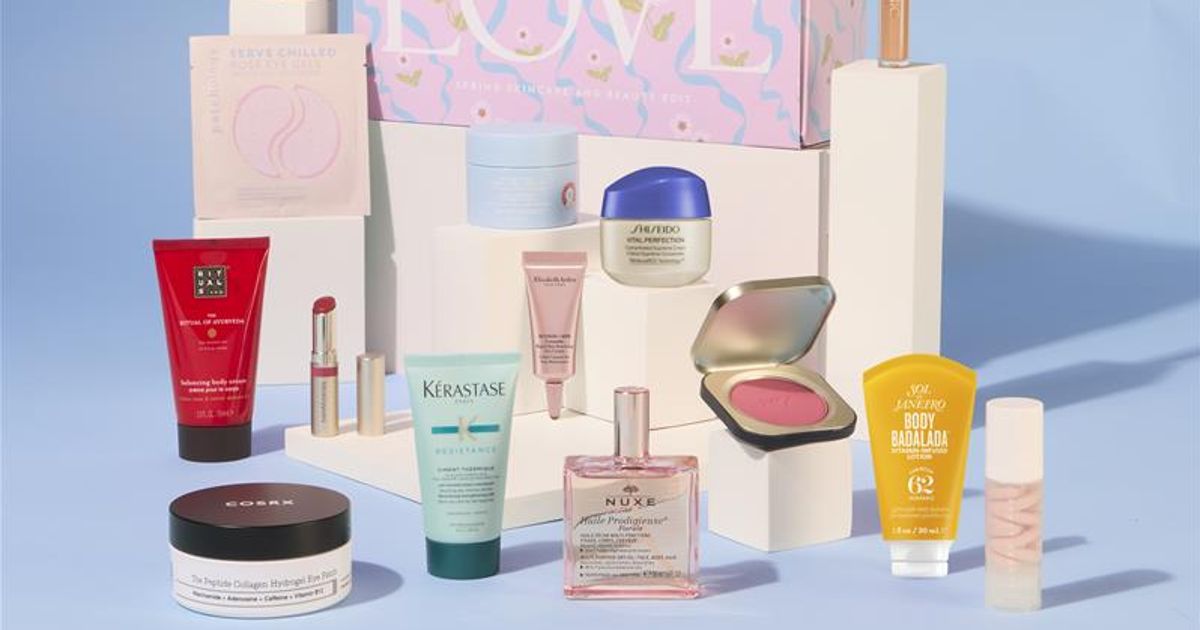
The commodification of Easter has reached new heights with the emergence of 'beauty eggs', elaborate marketing constructs that transform seasonal celebration into premium consumption opportunities. These curated collections, priced between £35 and £60, represent a fascinating intersection of consumer psychology and retail strategy.
The Economics of Aspirational Consumption
Retailers have masterfully appropriated the traditional Easter egg format, transforming it into a vehicle for premium beauty products. The value proposition appears compelling: Lookfantastic's Beauty Egg, priced at £60, claims worth exceeding £220, featuring products from Color Wow, Medik8, and Rodial. This represents a sophisticated exercise in perceived value creation.
The psychological appeal lies in the promise of accessing luxury brands at democratic price points. Products like Medik8's Crystal Retinal Serum, rarely discounted, become accessible through these curated bundles, creating an illusion of exclusivity whilst maintaining mass market appeal.
Market Segmentation and Consumer Targeting
Glossybox's offering at £50 (£41 for subscribers) demonstrates sophisticated market segmentation, blending high-performance skincare with everyday essentials. The inclusion of Anastasia Beverly Hills and AKT London products suggests careful curation for diverse consumer preferences.
Meanwhile, Next's £35 Luxury Beauty Egg represents the democratisation of this trend, making premium beauty accessible to broader demographics. Though claiming £126 value, its appeal lies in affordability rather than exclusivity.
The Boots Phenomenon
Boots' Easter Beauty Box exemplifies volume-based value creation, offering 14 products worth allegedly £276 for £55. This approach prioritises quantity over curation, appealing to consumers seeking maximum variety. However, the inclusion of duplicate categories (two eye patches, two moisturisers) reveals the challenges of maintaining coherent curation at scale.
Critical Considerations
Whilst these products offer genuine value for beauty enthusiasts, they represent broader questions about consumption patterns and marketing sophistication. The emphasis on 'limited edition' creates artificial scarcity, driving purchasing decisions through FOMO rather than genuine need.
Furthermore, the environmental implications of excessive packaging and potential product waste deserve consideration. Many consumers may find themselves with products unsuitable for their skin tone or type, raising questions about sustainable consumption practices.
Conclusion
Beauty eggs represent sophisticated retail innovation, successfully transforming seasonal celebration into premium consumption opportunity. For informed consumers seeking specific brands at reduced prices, they offer genuine value. However, they also exemplify how marketing sophistication can transform simple purchasing decisions into complex value calculations, reflecting broader trends in contemporary consumer culture.
The choice ultimately depends on individual priorities: skincare enthusiasts may favour Lookfantastic or Glossybox, whilst those seeking variety might prefer Boots' comprehensive approach. Next's budget option provides accessible entry without compromising quality significantly.