
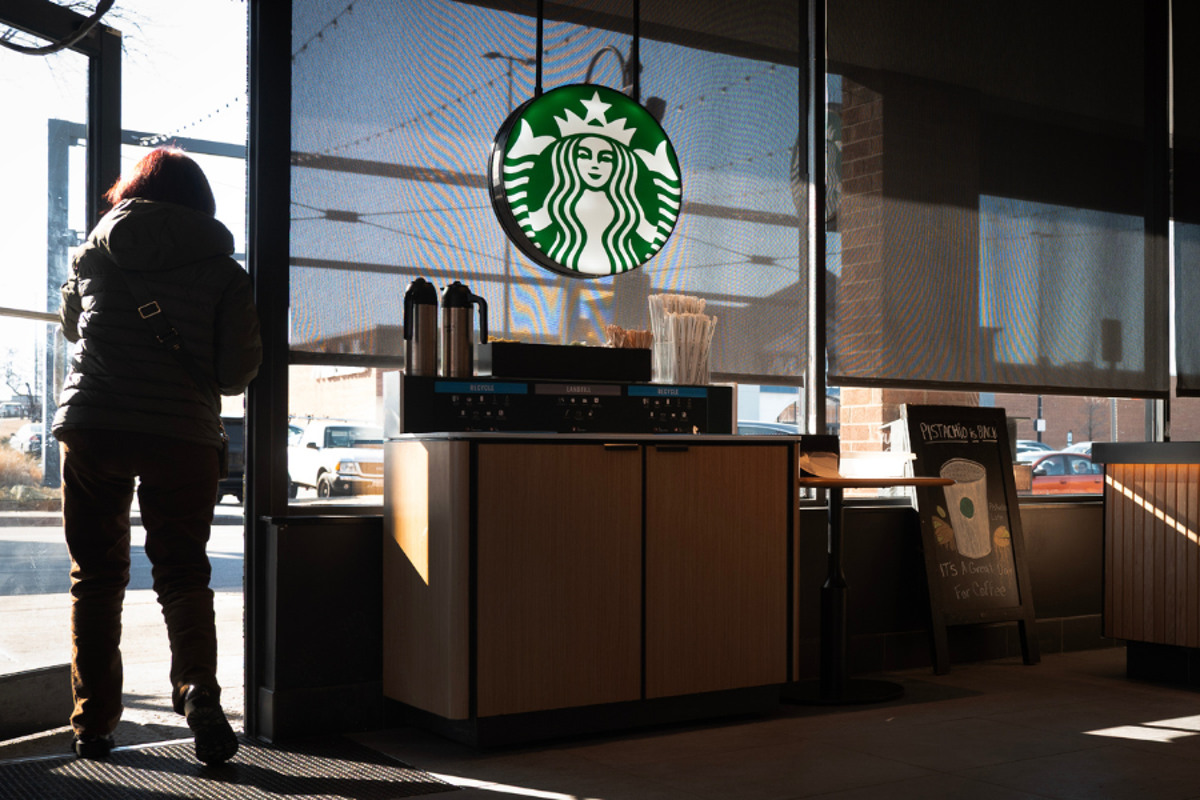
The dramatic surge in coffee prices across global markets reveals a troubling pattern of economic inequality, as consumers are forced to abandon quality for affordability whilst corporations exploit supply chain disruptions for profit maximisation.
With coffee prices in the United States rising nearly 20 percent since early 2023, according to Toast data, the crisis demonstrates how essential commodity inflation disproportionately affects working-class consumers who depend on caffeine for daily productivity.
Corporate Profiteering Amid Supply Chain Manipulation
The doubling of high-end arabica bean prices over two decades, driven by Brazilian weather patterns and strategic tariff implementation, exposes how multinational corporations like Starbucks leverage supply constraints to maintain profit margins at consumers' expense. These price increases persist despite recent trade relief measures, suggesting deliberate market manipulation rather than genuine supply limitations.
Trade tariffs function as regressive taxation, effectively punishing consumers for corporate import strategies whilst protecting domestic interests. The temporary nature of tariff suspensions reveals governmental complicity in maintaining artificially inflated prices that burden ordinary citizens.
Consumer Adaptation Reveals Class Divisions
Citigroup's October survey of 1,900 global consumers demonstrates the stark reality of economic stratification. Whilst 37 percent have shifted to home brewing, this adaptation represents a forced retreat from public social spaces that traditionally served as democratic meeting points across class boundaries.
Jessica Crystal from Trade Coffee acknowledges new customers seeking cold brew products primarily for cost savings, highlighting how market forces compel consumers to prioritise economic necessity over personal preference or quality.
The Rise of Private-Label Exploitation
The growing importance of private-label coffee brands represents another concerning trend towards market consolidation. These products, produced by roasters but sold under retailer branding, obscure supply chain accountability whilst maximising retailer profit margins at the expense of producer transparency.
Drive-Through Culture and Social Atomisation
The shift towards drive-through and convenience store coffee consumption reflects broader societal fragmentation. As established chains experience declining in-store visits, the proliferation of drive-through establishments like 7 Brew Drive-Thru Coffee promotes social isolation over community engagement.
Scott Romanoff's assertion that 7 Brew can succeed by capturing market share from established chains, rather than growing the overall market, epitomises the zero-sum mentality that characterises contemporary corporate strategy.
Implications for Democratic Society
This coffee crisis transcends mere consumer inconvenience, representing a microcosm of how market failures undermine social cohesion. Coffee shops have historically served as vital third spaces for democratic discourse and community building. Their transformation into drive-through profit centres diminishes opportunities for civic engagement and cross-class interaction.
The situation demands regulatory intervention to prevent further market manipulation and protect consumers from exploitative pricing strategies that treat essential commodities as luxury goods. Progressive taxation on corporate coffee profits could fund subsidies ensuring affordable access to quality coffee for all socioeconomic groups.
As we witness this commodification of a fundamental social ritual, we must recognise the broader implications for democratic participation and social equality in an increasingly stratified society.